Trump Calls Off Iran Attack, Urges Last Chance for Deal Amid Strait of Hormuz Tensions
Trump’s Cancelled Strike on Iran Is the Most Dangerous Kind of Mercy
By brandishing “the biggest attack since World War II” and then holstering it, the president has staked American power on a middle course that can only be redeemed by swift, decisive results—or exposed as a ruinous hesitation.
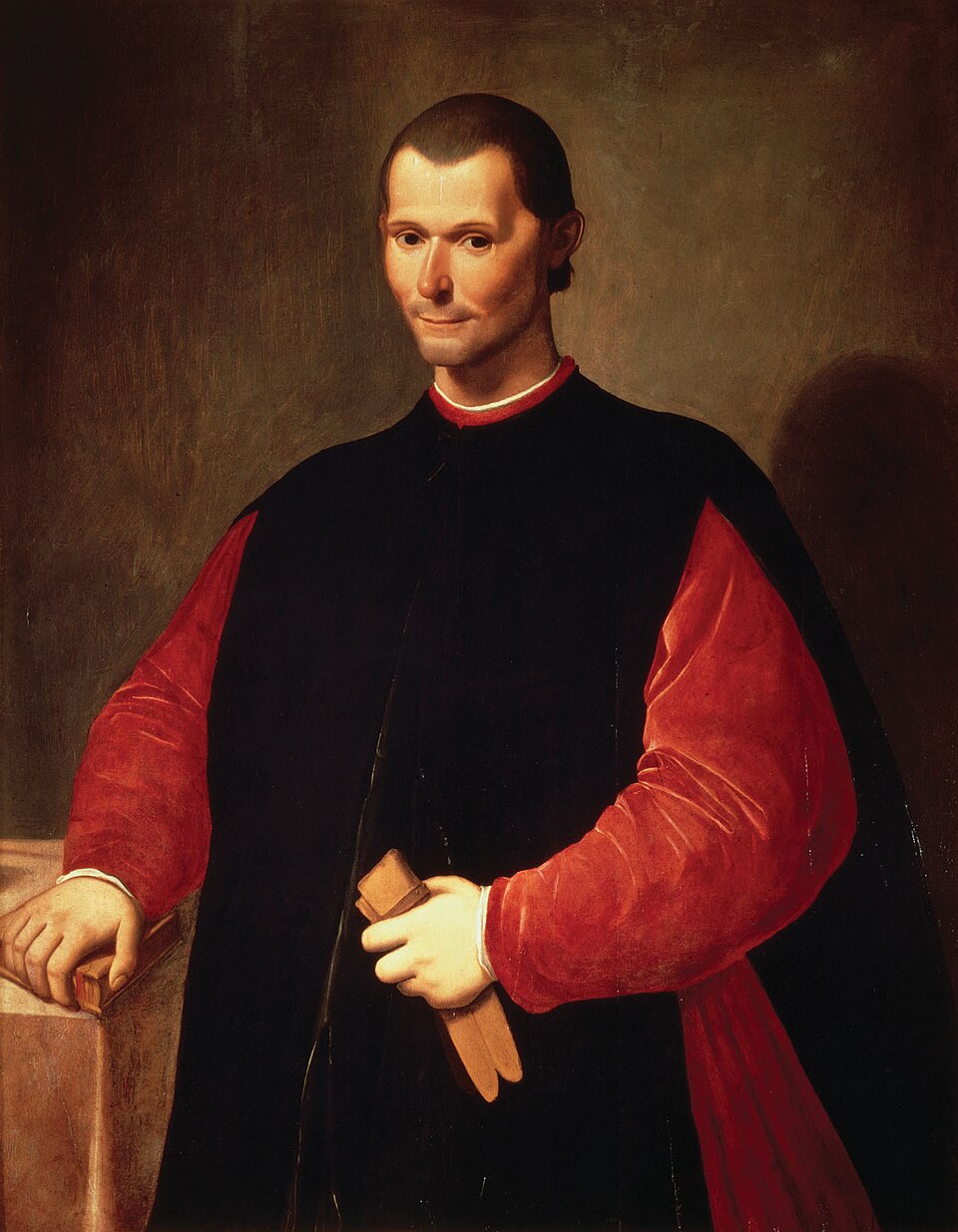
The scene is simple in its outline and intricate in its consequences. Over the weekend, the president of the United States orders what he later calls “the biggest attack since World War II” against Iran, then calls it off. He keeps in place a blockade of Iranian ports, proudly renamed a “wall of steel.” Soon after, he declares that this restraint is Iran’s “last chance” to make a deal “before decapitation,” while Tehran’s president replies that Iran will defend its borders but not seek to expand the war. Around them circle Oman, Pakistan, the Gulf states, and a cargo ship struck by an “unknown projectile” in the Strait of Hormuz.
When I wrote in The Prince, following W. K. Marriott’s translation, that a ruler must learn “how not to be good, and to use this knowledge and not use it according to the necessity of the case,” I had in mind exactly this kind of moment, when prudence consists not in pious maxims but in sizing up what preserves the state. The effectual truth here is that the president sits atop a republic whose power depends in part on a narrow waterway where one‑fifth of global oil once passed in peace. His survival incentive is clear: hold that artery open, keep allies from panic, avoid a war that bleeds treasure and prestige. Before we talk of morality, we must see the geometry of necessity.
Calling off the blow while loudly advertising how terrible it would have been is a choice both of substance and of theatre. Substantively, he forgoes an assault that his own description presents as catastrophic, and instead tightens the economic and naval noose. The theatre is in the language of “last chance” and “decapitation,” which aims to turn mercy into a fearsome spectacle rather than a sign of softness. As I argued in The Prince about fear and love, it is safer to be feared than loved when one must choose, but one must avoid being hated; the president here seems to wager that threatening the sword while not yet using it will inspire fear without yet calling down the hatred born of dead bodies and burning cities.
But every such wager is made under the empire of fortuna. In my day I compared her, again in Marriott’s rendering, to a “raging river” that overflows the plains where no dykes have been built. The river here is escalation in the Strait. An “unknown projectile” hits a cargo ship; technical talks in Oman over reopening the route proceed alongside American claims that talks with Iran are in fact happening, which Iran’s spokesmen deny. In such a flood of conflicting signals, prudence lies in what dykes a leader prepared in calmer hours: alliances, clear red lines, reliable intelligence, domestic consent. I cannot see from these reports whether such barriers exist. I only see that fortune has already begun to test them.
No policy, however clever, survives without arms of its own. The blockade—the “wall of steel”—is one such arm. Coalition pressure from Gulf states, if truly present, is another. Diplomatic channels via Oman and Pakistan are also arms, though of silk rather than iron. A new deal that, as one report puts it, could “lock in Iran’s control of the Strait” would itself be a kind of arm, if it came with verifiable limits and mutually understood penalties. In the Discourses on Livy, in Ninian Hill Thomson’s translation, I praised Rome for joining good laws to good arms; here I see arms in abundance, but the law—the clear, shared rule of the game in the Strait—remains in shadow.
The greater danger is the middle course. The president boasts he was ready to strike “very, very hard,” harder than any attack since the great war, yet also insists he wants to give Iran “every last chance before decapitation.” Iran, for its part, says it is not talking to the United States at all, only to Oman about shipping lanes, while still vowing to defend its borders. This creates a strange balance: words of total war married to actions of partial war; professions of no negotiation alongside technical bargaining. In my experience, such half‑measures often buy the costs of both severity and mercy and the benefits of neither.
The Romans faced this twice with their enemies across the sea. When they resolved to crush Carthage, they did so completely; when they chose instead to tolerate a rival, they bound it with precise treaties backed by force. What they avoided, once they had learned, was threatening annihilation and then stepping back without either a decisive victory or a stable compromise. That road breeds contempt abroad and confusion at home. Whether this American president proves more Roman or more indecisive will depend on what follows this theatrical restraint: a firm settlement over the Strait that allies and enemies alike can understand, or a drawn‑out ambiguity in which more “unknown projectiles” write the policy in fire. Mercy that ends danger is respected; mercy that postpones it is merely adjourned weakness.
From the works cited
- The Prince — The economy of violence and the feared/loved calculus: better feared than loved if one must choose, but never hated — fear rests on the prince's will, love on the fickle will of others.
- The Prince — Virtù versus fortuna — the raging-river figure: preparation in fair weather is the whole difference between the drowned and the dry.
- Discourses on Livy — Managed conflict between the great and the people is the source of a free state's vigor — Rome's tumults produced its liberty.