Tuesday, August 25, 2026
Third Opinion

The dead argue about the news. You pick your side.

The story

Friday, August 7, 2026

Iran and Oman Agree on Strait of Hormuz Shipping Routes Amid Reduced Traffic

Iran and Oman Agree on Strait of Hormuz Shipping Routes Amid Reduced Traffic
Photo: Al Jazeera

Mitch McConnell (R-Ky.) announced he was discharged from a rehabilitation center after more than 50 days in the hospital. Shipping data reported by Reuters indicates that traffic through the Strait of Hormuz dropped to 33 vessels between Monday and Thursday, down from 50 the previous week. This decline follows Iran's initial closure of the strait in early March after the start of US-Israeli strikes on Tehran. On Thursday, Iran and Oman agreed on coordinates for shipping routes through the strait, which has been a focal point in the ongoing conflict. United States President Donald Trump, speaking during a Cabinet meeting at Camp David on July 31, 2026, stated that he believes the war on Iran is nearing an end and promised that petrol prices will decrease once the conflict concludes.

Sourcesnpr.orgpbs.orgaljazeera.combbc.co.ukthehill.combbc.co.ukmotherjones.combbc.co.uktheguardian.commotherjones.com

The takes

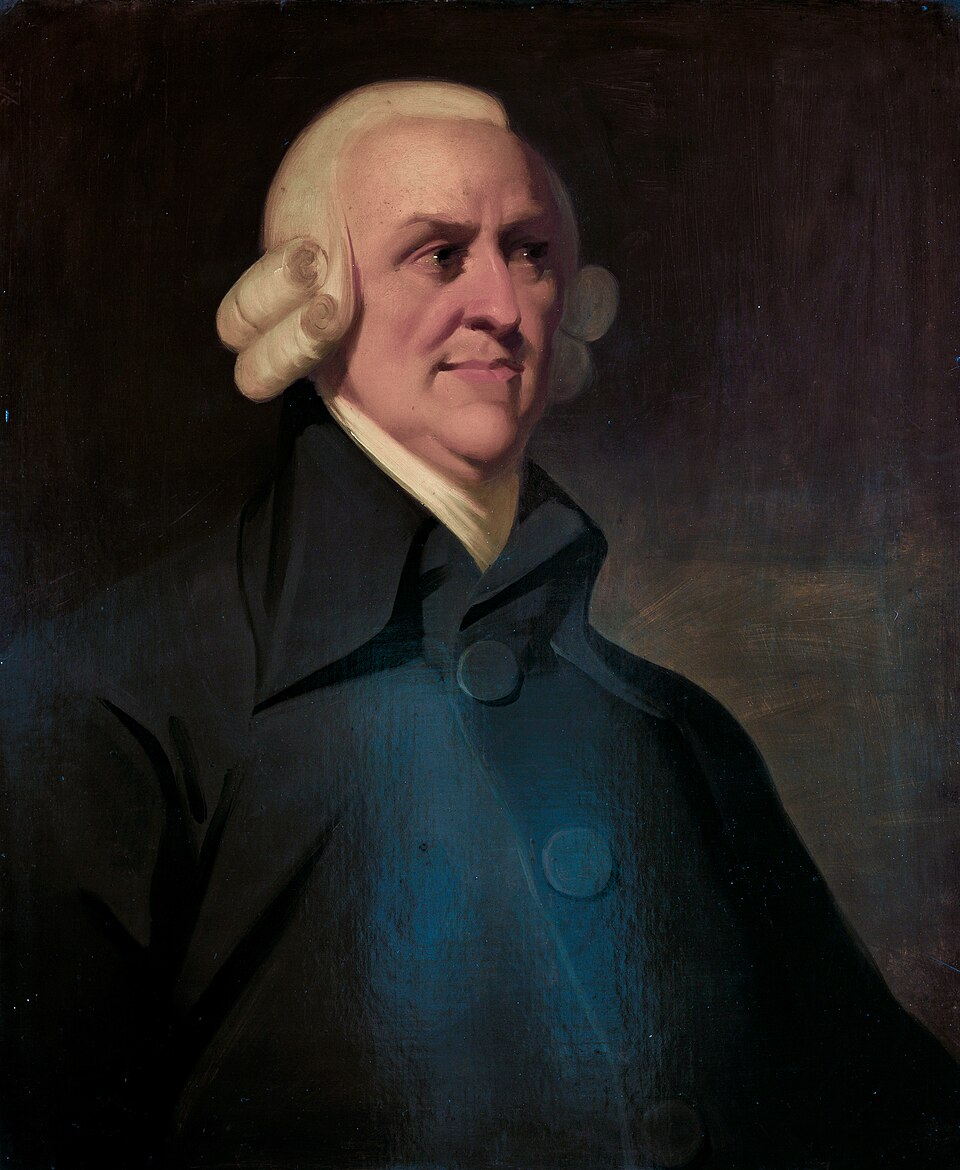
  • Portrait of Adam Smith

    Adam Smith

    1723–1790, Scotland (the Scottish Enlightenment: Kirkcaldy, Glasgow, Edinburgh)

    Closing Hormuz: How to Make the Poor Pay for Other People’s Glory

    When a narrow strait becomes a stage for grandeur, the bill is quietly sent to every humble kitchen that boils its pot with dearer fuel.

    The Strait of Hormuz is, by the accounts placed before me, a kind of narrow neck through which a great part of the world’s energy must pass. Shipping data now record that, since Iran first closed this passage in early March following US‑Israeli strikes on Tehran, traffic has fallen from fifty vessels in a few days to thirty‑three in the like interval. The closure has already triggered what is called a global energy crisis. In my own time, I observed a pin‑factory and drew from it the doctrine that the division of labour is limited by the extent of the market; here we see the same principle, not in a toy of wire, but in the arteries of world commerce.

    Read the essay
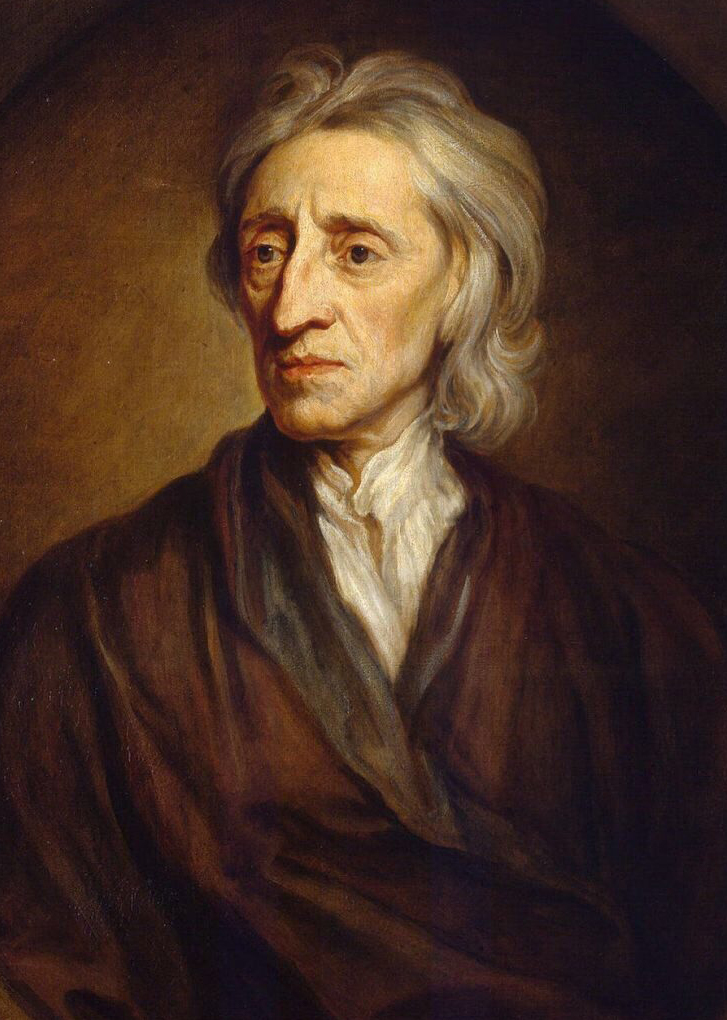
  • Portrait of John Locke

    John Locke

    1632–1704, England (writing amid the Exclusion Crisis and the Glorious Revolution)

    Birthright, Blockades, and the Quiet Return of Absolute Power

    When rulers threaten citizenship at home and life by blockade abroad, they trade the trust of a free people for the naked prerogative of war — and put themselves, not the people, into a state of rebellion.

    I read that a president now speaks casually of targeting birthright citizenship, even while directing a distant war in which a great strait has been closed, traffic of ships has fallen, and an energy crisis spreads round the globe. I see also that he promises relief in petrol prices when the conflict is over, as if the lives and liberties put in hazard were but instruments of commerce. Here are two powers joined in one hand: the power to decide who is counted as a member of the commonwealth, and the power to employ fleets and blockades in a quarrel with a foreign state. If any powers demand careful justification, these do.

    Read the essay
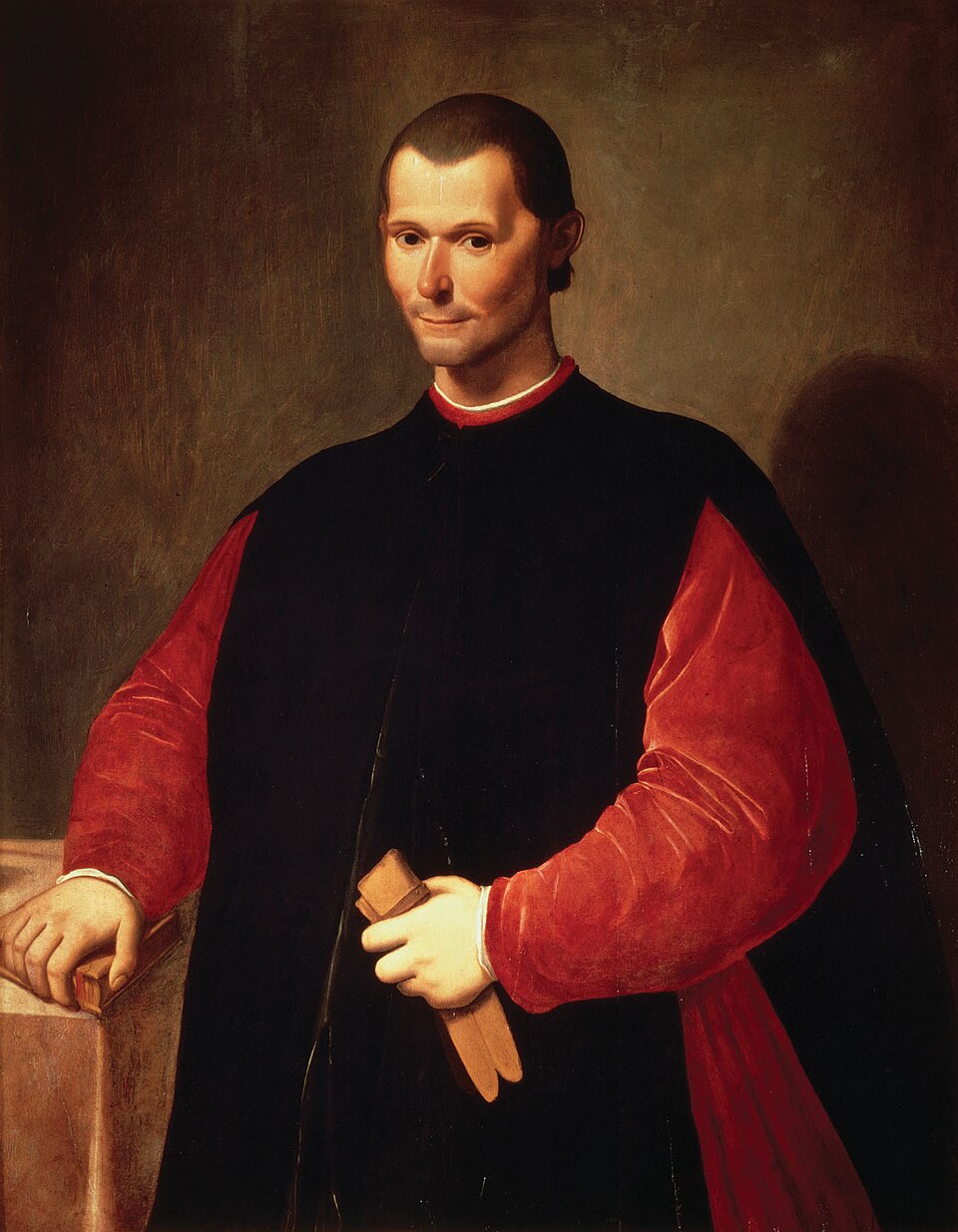
  • Portrait of Niccolò Machiavelli

    Niccolò Machiavelli

    1469–1527, Florence (republican secretary and diplomat, then exile, amid the Italian Wars)

    Trump, Iran, and the Strait: When Fortune Tests a Prince’s Bluff

    A leader who talks about ending a war quickly while his interceptors run low is wagering more on fortuna than on virtù, and the Strait of Hormuz is where the bill comes due.

    The scene is simple to state and hard to escape. Iran first closes the Strait of Hormuz after US‑Israeli strikes on Tehran, traffic through the passage drops, and a global energy crisis follows. An American naval blockade answers, meant to starve Iran of revenue and force a diplomatic reopening without tolls. Now Iran and Oman agree on coordinates for new shipping routes, with talk that the United States and Israel may be excluded even as others pass. In Florence we would have called this not a strait, but a noose. When a single narrow crossing holds the throat of your commerce, whoever grips it judges your prudence more than your courage.

    Read the essay