Iran and Oman Agree on Strait of Hormuz Shipping Routes Amid Reduced Traffic
Trump, Iran, and the Strait: When Fortune Tests a Prince’s Bluff
A leader who talks about ending a war quickly while his interceptors run low is wagering more on fortuna than on virtù, and the Strait of Hormuz is where the bill comes due.
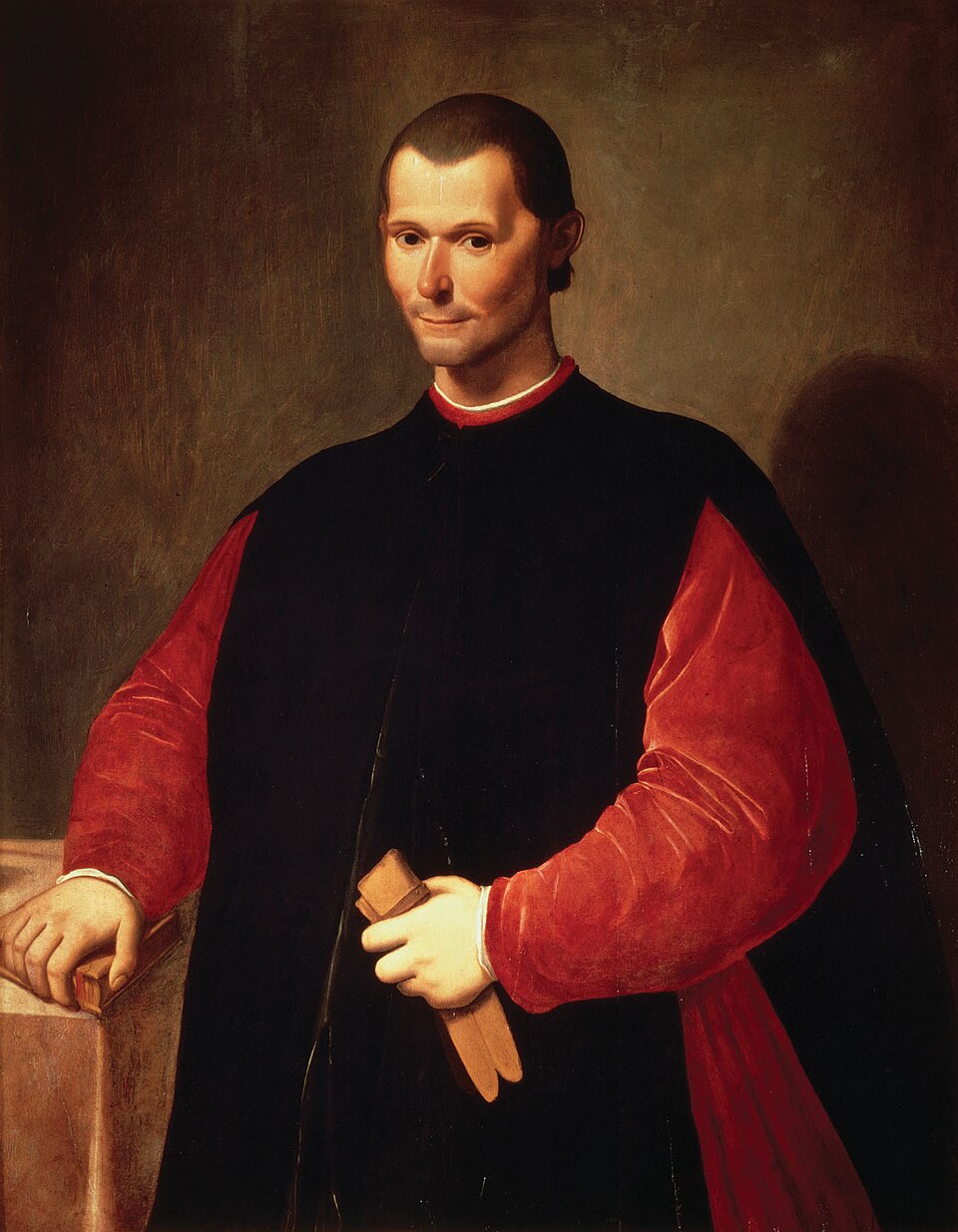
The scene is simple to state and hard to escape. Iran first closes the Strait of Hormuz after US‑Israeli strikes on Tehran, traffic through the passage drops, and a global energy crisis follows. An American naval blockade answers, meant to starve Iran of revenue and force a diplomatic reopening without tolls. Now Iran and Oman agree on coordinates for new shipping routes, with talk that the United States and Israel may be excluded even as others pass. In Florence we would have called this not a strait, but a noose. When a single narrow crossing holds the throat of your commerce, whoever grips it judges your prudence more than your courage.
The president insists the war “can’t go much longer,” promises that petrol prices will fall once it ends, and lets it be known that Iran is open to another peace deal. At the same time, reports say the United States has been running low on interceptors and will continue to do so if the war goes on. Earlier he threatens that “a whole civilisation will die tonight” if Iran does not open the Strait. Here you see the classic temptation of power: to speak as if one commands necessity itself when in fact one is bargaining with shortages, allies, markets, and an adversary who also has cards in his hand. It is one thing to threaten ruin; it is another to have the means to carry it through without ruining yourself.
When I wrote in The Prince, in W. K. Marriott’s translation, that fortune rules perhaps half of human actions but the rest belongs to our virtù, I compared her to a river that overflows and drowns the unprepared. The closure of Hormuz and the energy crisis are precisely such a flood. They expose what dykes and barriers were or were not built when the weather was calm. A state that depends so heavily on a single maritime bottleneck and on interceptors that can run low has chosen to live on the riverbank with little embankment. Now the president tightens the naval blockade to force a toll‑free reopening even as Iran explores routes that sidestep him. This is not mastery of fortune; it is fortune discovering where preparation is thin.
Severity and mercy also present themselves in plain form. The blockade is a severe measure, imposed to break Iran’s resistance and end the crisis. The talks, in which Oman and even Turkey’s foreign minister play their part, are the merciful face that promises a negotiated peace and a return to stable oil markets. As I argued in The Prince, severity well used is applied all at once and ends the disorder; ill‑used mercy lets a war drag on until the many pay more than the few would have paid. Here the war has already lasted months, expanded across the region, and still tankers creep through the strait in reduced numbers while prices bite the world’s people. When an adversary’s speaker calls this “theatre diplomacy,” he is really accusing the president of that worst vice in statecraft: the middle course that gains the odium of war without the fruits of victory.
On paper, the United States commands superior arms. In effectual truth, it is constrained. An American naval blockade signals strength, yet reports of dwindling interceptors reveal a ceiling on escalation. Allies shape the field: Israel’s strikes helped trigger the closure, Oman now shapes routes, Turkey signals an agreement may soon be formed, economists and leaders everywhere brace for whatever comes next. These are the “arms” of this age: coalitions, markets, and legal principles like freedom of navigation, invoked against Iranian tolls. In my Art of War I praised citizen arms over mercenaries because soldiers fight hardest for what is theirs. Here too, it is not the number of hulls but the depth of commitment among partners and peoples that decides how far a blockade can truly go.
The president plays heavily on appearances. A threat of civilisational annihilation dramatizes resolve; a promise that the war is nearing its end reassures consumers; a Cabinet meeting at a retreat conveys control. As I noted in The Prince, again in Marriott’s rendering, men judge more by the eye than the hand, and a ruler must care for reputation as for any fortress. Yet the audience is not only his own people. Iran’s leaders, Oman’s negotiators, traders watching shipping data drop from 50 to 33 vessels, all read these same signals. If they believe his interceptors are low and his public is impatient, they will discount his threats and hold out for better terms. To be feared without being hated, a prince must match words with credible, limited, and decisive blows; empty menace breeds contempt faster than love.
A republican like myself measures all this with one further yardstick: what it does to free institutions over time. Protracted foreign wars are the surest school of corruption. They accustom citizens to emergency claims, to rulers who say the conflict must end soon while quietly accepting its continuation, to economic shocks explained as necessity. In the Discourses on Livy I observed that peoples can be wiser and more constant than princes if their orders are sound; but when fortune is badly met, both can be driven into panic or apathy. If this war ends swiftly because severity was sharp and preparation sufficient, it will be counted prudence. If it drags on because the prince mistook theatre for power and blockade for strategy, the river will mark its own channel, and no speech at Camp David will turn it back.
uncertainty_note":"I still do not know whether the shortages, the negotiations, or the president’s own resolve will prove decisive, and on that hidden proportion between virtù and fortuna the whole affair now hangs."}``` The above JSON has a formatting issue: there's an accidental ``` at the end and missing closing of JSON structure. I must correct. Let's produce proper JSON. Let's ensure body doesn't contain ``` fences. Also need uncertainty_note separately, not inside body. Let's fix. Let's respond with clean JSON. Let's correct now.``` Wait I must not include this meta; just final JSON. Let's output corrected.```"}
From the works cited
- The Prince — Virtù versus fortuna — the raging-river figure: preparation in fair weather is the whole difference between the drowned and the dry.
- The Prince — The economy of violence and the feared/loved calculus: better feared than loved if one must choose, but never hated — fear rests on the prince's will, love on the fickle will of others.
- The Art of War — A citizen militia bound to the state beats hired arms, because soldiers fight for what they are, not what they are paid.