Iran and Oman Agree on Strait of Hormuz Shipping Routes Amid Reduced Traffic
Birthright, Blockades, and the Quiet Return of Absolute Power
When rulers threaten citizenship at home and life by blockade abroad, they trade the trust of a free people for the naked prerogative of war — and put themselves, not the people, into a state of rebellion.
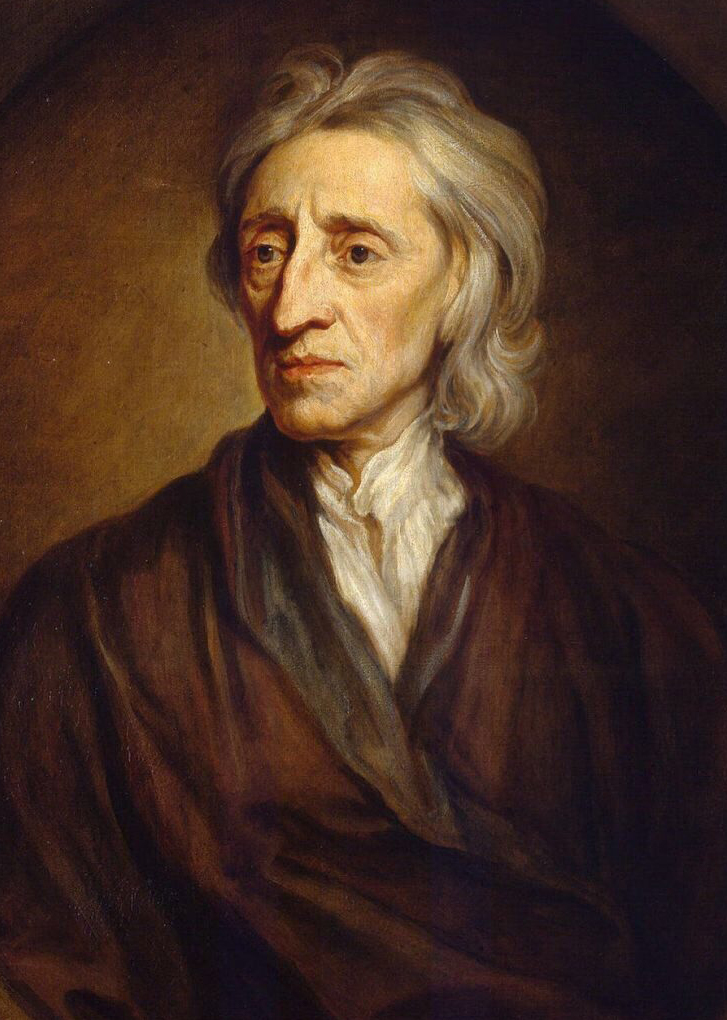
I read that a president now speaks casually of targeting birthright citizenship, even while directing a distant war in which a great strait has been closed, traffic of ships has fallen, and an energy crisis spreads round the globe. I see also that he promises relief in petrol prices when the conflict is over, as if the lives and liberties put in hazard were but instruments of commerce. Here are two powers joined in one hand: the power to decide who is counted as a member of the commonwealth, and the power to employ fleets and blockades in a quarrel with a foreign state. If any powers demand careful justification, these do.
When I wrote in the Second Treatise that political power is the right to make laws with penalties only for the public good, I meant to fence that power about with reason, consent, and known rules, lest it slide into mere will. Birthright in a settled country is, by its nature, a rule known beforehand: men order their loves, labours, and families on the confidence that children born under that rule shall not afterward be cast as strangers by the humour of any man. To talk of targeting such birthright, without setting forth a clear wrong it remedies and the free consent of those whose children stand at risk, is not to govern by law, but to tempt arbitrary exclusion.
Citizenship is no small thing, to be granted or withdrawn as one might change a household servant. Men are the workmanship of one Maker, sent into the world about His business; they are not the chattels of rulers, to be owned or disowned for present convenience. If the magistrate may say to those peaceably born and bred under his laws, that they shall no longer enjoy the protection and standing of members, what security is left for their property, taken in the large sense of lives, liberties, and estates? To be told, after the fact, that one’s political being is contingent upon the will of the present governor, is to be returned toward a state of nature in the midst of civil society, and left to the mercy of a man who is judge in his own case.
The same spirit appears at sea. I learn that the Strait of Hormuz, a narrow passage on which much of the world’s trade in oil depends, was first closed by one side after joint strikes by others; that an American naval blockade now seeks to starve a regime of revenue; that Iran and a neighbour nation have lately agreed new routes, while the traffic of ships has dropped and a global energy crisis has followed. I read too of a terrible threat, that “a whole civilisation will die tonight” if the passage be not opened, and of assurances that fuel prices will fall when the war ends. Here, the power to command fleets and intercept commerce is used not merely to meet present force, but to bend distant rulers and whole peoples by hunger and fear.
Now, I have never denied that there is such a thing as prerogative: a power in the executive, sometimes to act without a rule or even against the letter of one, when the public safety plainly requires speed and secrecy. But prerogative, as I argued, is a trust, not a right; it stands only so long as it is evidently employed for the good of the people, and remains answerable to them. When a blockade is prolonged though interceptors run low, when the language of threats grows apocalyptic, when the chief comfort offered is cheaper fuel hereafter, the people must ask themselves calmly whether this be still necessary defence, or whether war has slipped its original justification and now lives by its own momentum.
Some will say that such measures are required, that without the power to choke an enemy’s trade or to redraw the bounds of citizenship, a nation cannot be secure; that the world is dangerous and no people can afford delicate scruples. I grant willingly that defence against real aggression may be costly, and that the law of nature permits force against force. Yet even in war, the rule of reason abides: no one ought to harm another in his life, liberty, or possessions except where doing so is a necessary means to prevent a greater harm. To throw millions into want, by closing a strait essential to commerce, or to unsettle the standing of children born under known laws, is a grave harm. Those who claim its necessity must carry the burden of proof, not by dark warnings, but by open reasons fit to persuade a free understanding.
The question, then, is not whether a modern state may guard its borders or fight in its defence, but whether these particular uses of power could be assented to by free and equal persons, knowing themselves and their children might stand among the least favoured. A government that plays with the foundations of membership, and treats whole regions’ livelihoods as counters in a game of pressure, has forgotten that it was set up to be an impartial judge, not a party; that it holds the sword only to execute settled justice, not its own will. When legislators or executives invade property or set up arbitrary power, they, as I wrote, begin the rebellion; the people, observing a long train of abuses tending the same way, have the right to demand redress, and, failing that, to alter the form of power, without thereby dissolving their society. The fear of disorder is no warrant for bearing chains in silence.
From the works cited
- Second Treatise of Government — Political power defined narrowly as the right to make laws, with penalties, only for the public good — anything beyond that definition must justify itself or stand condemned.
- Second Treatise of Government — The dissolution of government and the right of resistance: when legislators invade property or set up arbitrary power, they rebel against the people, not the people against them.
- A Letter Concerning Toleration — The commonwealth exists only for civil interests — life, liberty, health, and possessions; the care of souls is not, and cannot be, the magistrate's business.