Tuesday, August 25, 2026
Third Opinion

The dead argue about the news. You pick your side.

The story

Friday, August 7, 2026

New Mexico Court Orders Meta to Pay $567 Million Over Youth Harms

New Mexico Court Orders Meta to Pay $567 Million Over Youth Harms
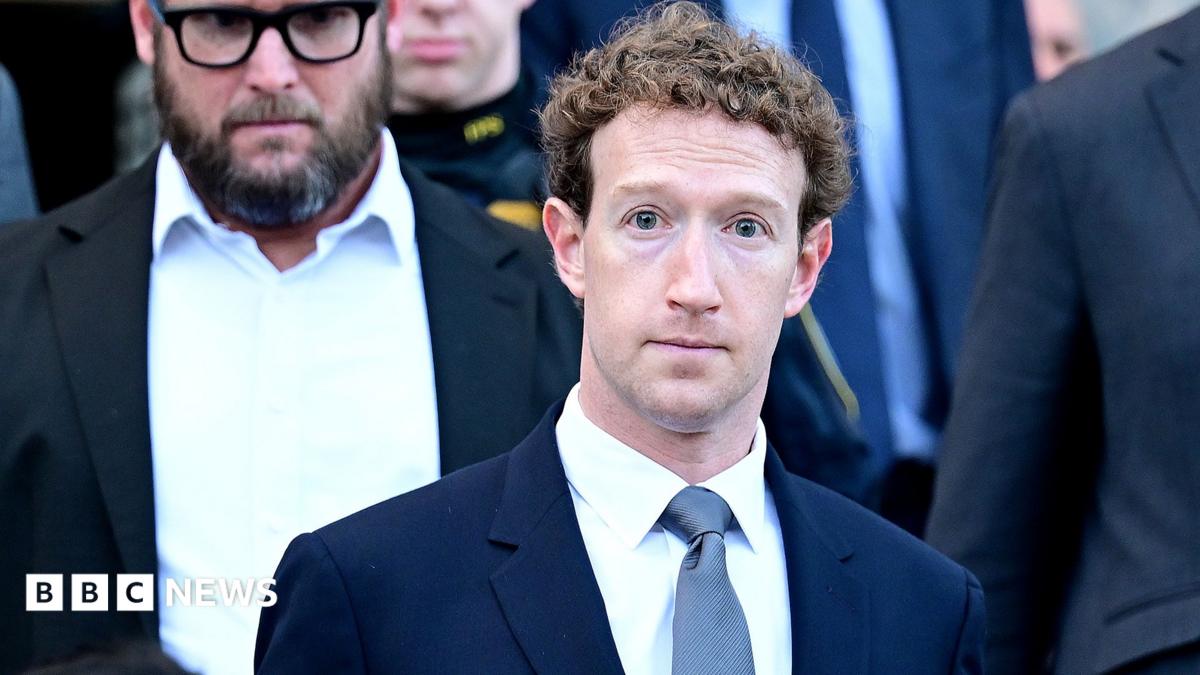
Photo: BBC World

A New Mexico court has ordered Meta, the parent company of Instagram and Facebook, to pay $567 million in the second phase of a trial addressing harms to young people from its platforms. Judge Bryan Biedscheid ruled that Meta constitutes a "public nuisance" comparable to air pollution and mandated that the funds be placed in a program aimed at reducing future harms. Of the total amount, $420 million is designated for treatment services for young people. Meta stated it remains confident in its efforts to protect teens online and plans to continue defending itself against claims it says misrepresent the facts. This ruling follows an earlier $375 million verdict in the case, which Meta also intends to appeal. New Mexico Attorney General Raúl Torrez said the decision underscores accountability for companies whose product designs knowingly put children at risk.

Sourcespbs.orgbbc.co.ukthehill.com

The takes

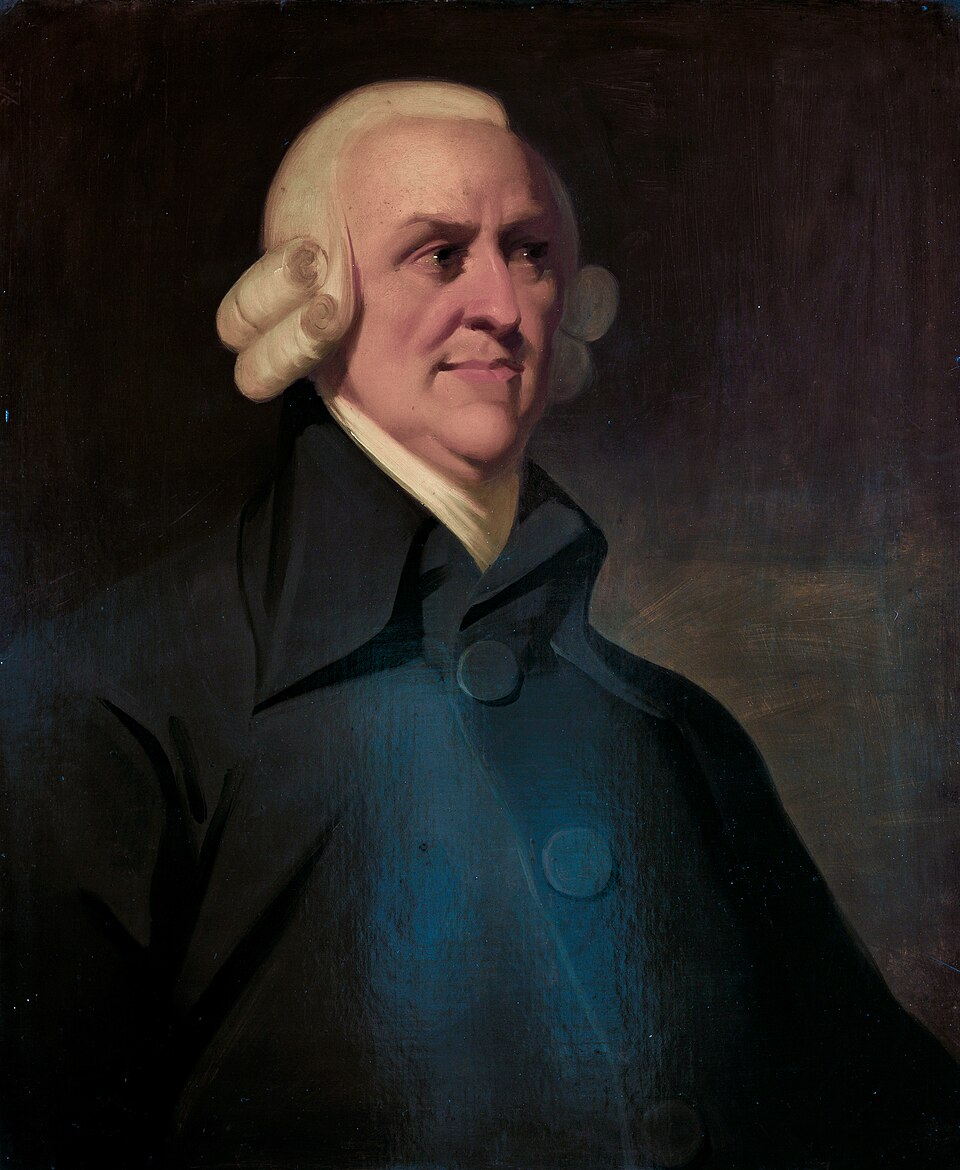
  • Portrait of Adam Smith

    Adam Smith

    1723–1790, Scotland (the Scottish Enlightenment: Kirkcaldy, Glasgow, Edinburgh)

    Why Fining Meta for Harming Children Is Not an Attack on Markets

    When a business treats young minds as raw material for engagement, the law does not subvert the market; it restores the rules under which any decent market must operate.

    A court in New Mexico has ordered the owner of Facebook and Instagram to pay $567 million for harms its platforms have inflicted upon young people, placing $420 million in a fund for treatment and the reduction of future damage. The judge has likened the firm’s conduct to a public nuisance, as with air befouled by smoke; the company, for its part, denies wrongdoing, professes confidence in its record of protecting teenagers, and intends to appeal. We have, then, the familiar modern drama: a lucrative new trade, a body of injured persons too young to have bargained knowingly, and a public authority that finally stirs when the harm can no longer be politely ignored.

    Read the essay
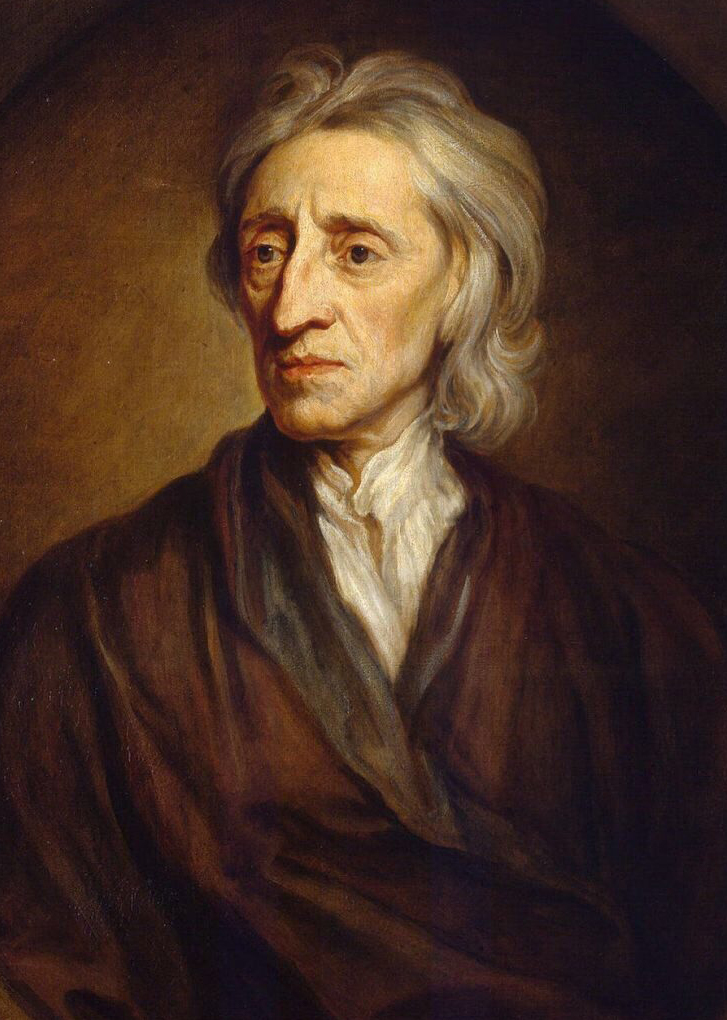
  • Portrait of John Locke

    John Locke

    1632–1704, England (writing amid the Exclusion Crisis and the Glorious Revolution)

    Meta’s Power Over Children Is Not Commerce. It Is Usurpation.

    When a company designs its platforms so that harm to children is no accident but a feature, it ceases to trade under law and begins to rule without consent — and must be resisted as such.

    A judge in New Mexico has called Meta’s social media platforms a “public nuisance” akin to air pollution, and ordered the company to pay $567 million, most of it to treat harms already suffered by young people and to reduce future harms. The state’s attorney general declares that this sends a message: companies will be held accountable when their product designs knowingly put children at risk. Meta, for its part, protests confidence in its record of protecting teens and promises to defend itself against claims that, it says, misrepresent the facts. I do not sit to weigh the evidence in that particular trial. I ask a prior question: what kind of power over children is this, and on what terms can it ever be rightful?

    Read the essay
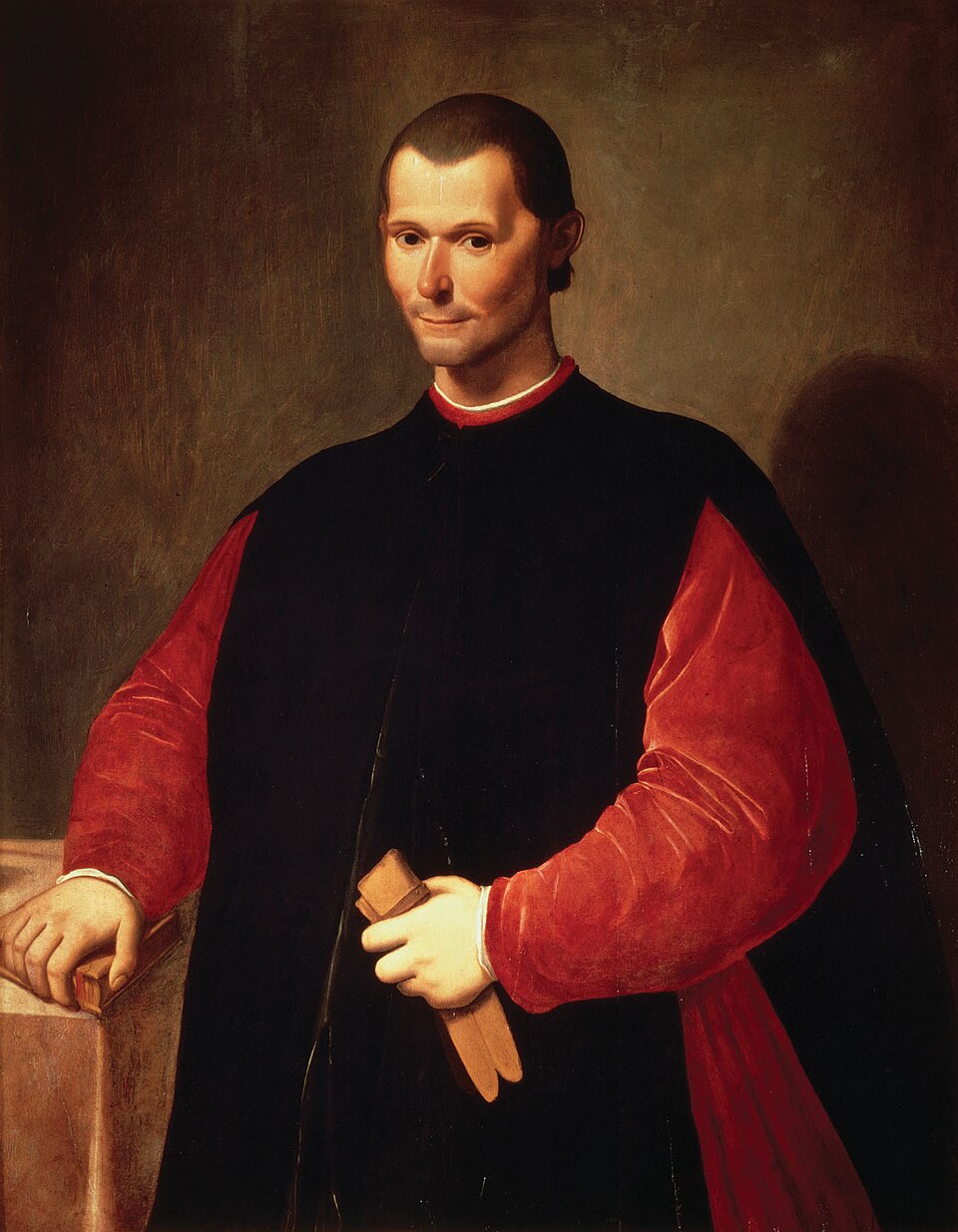
  • Portrait of Niccolò Machiavelli

    Niccolò Machiavelli

    1469–1527, Florence (republican secretary and diplomat, then exile, amid the Italian Wars)

    Meta Has Met Its Judge. Now It Must Meet Reality.

    When a court treats a social network like toxic smoke, the prince of the platform either embraces harsh reform or waits to be dismantled piecemeal.

    A judge in New Mexico has just declared that Meta’s platforms are a public nuisance “akin to air pollution” and ordered it to pay $567 million, most of it for treatment services for the young people it has harmed. This is not a sermon; it is a sentence. The ruling claims that product designs knowingly put children at risk and that the harms are grave enough to merit a fund to reduce future damage. Here you see the effectual truth: a technology that promised connection is being treated in law as contamination. When a court calls you smoke, it is already imagining the firebreaks it will build against you.

    Read the essay