New Mexico Court Orders Meta to Pay $567 Million Over Youth Harms
Meta Has Met Its Judge. Now It Must Meet Reality.
When a court treats a social network like toxic smoke, the prince of the platform either embraces harsh reform or waits to be dismantled piecemeal.
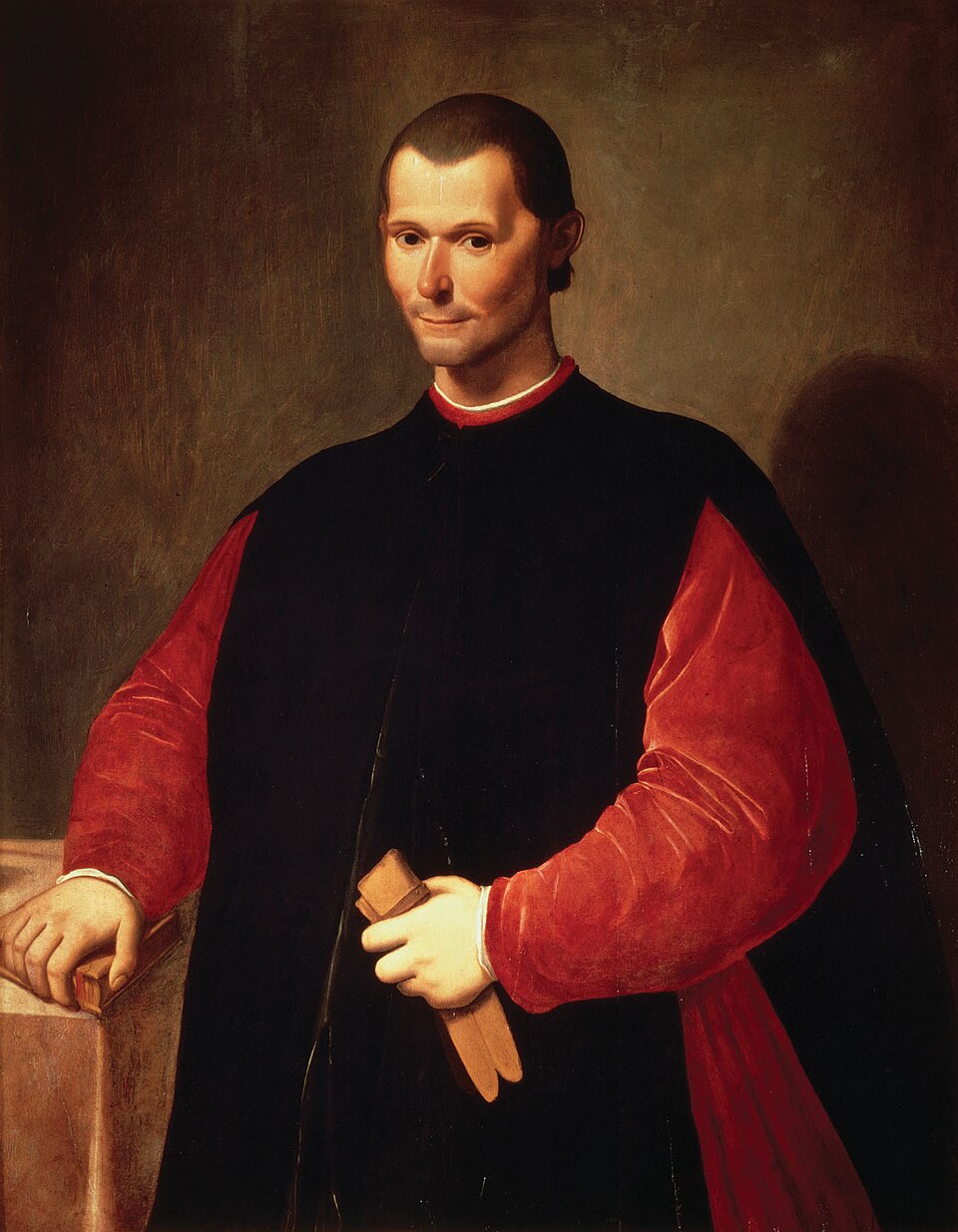
A judge in New Mexico has just declared that Meta’s platforms are a public nuisance “akin to air pollution” and ordered it to pay $567 million, most of it for treatment services for the young people it has harmed. This is not a sermon; it is a sentence. The ruling claims that product designs knowingly put children at risk and that the harms are grave enough to merit a fund to reduce future damage. Here you see the effectual truth: a technology that promised connection is being treated in law as contamination. When a court calls you smoke, it is already imagining the firebreaks it will build against you.
Meta replies that it remains confident in its record of protecting teens and will continue to defend itself against claims that misrepresent the facts. I know this music. Every prince under siege insists he has been the most vigilant guardian of his subjects. As I wrote in *The Prince*, in W. K. Marriott’s translation, many have imagined orders that never were, “because how one lives is so far distant from how one ought to live.” The company speaks in the language of how it ought to have behaved. The court answers with how it did behave.
If you want to understand a power, do not begin from its press statements; begin from its survival incentives. Meta lives from engagement, dominance, and reputation. It must keep the young staring into its mirrors, must prevent rivals from taking those eyes, and must maintain enough public credit that regulators do not chain it. When a judge imposes hundreds of millions in penalties, channels $420 million into treatment, and brands you a nuisance, all three pillars are struck at once. This is not yet mortal, but it is a wound in the very organs that keep the body alive.
The judge’s move is severity, not exhortation. He does not merely scold; he seizes treasure and assigns it to repair what has already been broken. In my time, when a city tolerated bands of violent young men, rulers often responded with small moral edicts that satisfied preachers and changed nothing. Those were mercies ill-used, which I argued in *The Prince* wound the many because they allow disorders to grow. Here the court chooses the opposite: hurt the powerful few with money to heal the many who lack it. Call this cruelty if you wish; in politics, the true measure is whether disorders end.
Meta’s answer so far is the fox without the lion: contest the facts, appeal the earlier verdict of $375 million, insist on misrepresentation, hope the snare can be slipped with words. But when a tribunal compares you to air pollution, you are no longer merely in a quarrel of experts; you are entering the realm of public hatred, where citizens come to see your very presence as a stain upon their skies. In such a climate, legal cases multiply, legislators grow bold, and even your allies grow ashamed of defending you. Appearances, once an ornament, become a weapon in the people’s hands.
What, then, would prudence demand? A prince who sees that the tide has turned treats the first heavy sentence as occasione, an occasion: confess limited fault, propose new modes and orders for protecting the young, throw inferior officers and old practices into the fire as offerings, and turn the treatment fund into proof of repentance rather than evidence of defeat. This is not morality; it is strategy. By taking the initiative in reform, the company might turn severity already imposed into a dyke against worse floods to come. Whoever yields early on the purse may keep control of the sword-hand that shapes future rules.
The great danger now is the middle course. If Meta clings to confident denials while quietly adjusting design and policy, it buys the hatred that comes with guilt and the contempt that comes with evasion. More suits will follow; each new judgment will paint the firm less as innovator and more as repeat offender. I learned from the Romans that when a people believes an institution menaces its children, the first penalty is only the beginning. The company must choose: either stand openly on its record and accept the risk of ruin, or admit the harms and help build new safeguards. To delay is to let others write its fate.
From the works cited
- The Prince — The effectual truth against imagined republics: political writing must describe how power actually works, or it kills its student.
- The Prince — Judge severity and mercy by their totals, not their optics: ill-used mercy that lets disorder grow wounds the many; well-used severity that ends it wounds the few.
- The Prince — Ask what the actor's survival incentives are before asking what morality requires: a leader's first imperative is to maintain the state, and you must expect them to do what maintenance demands.