Tuesday, August 25, 2026
Third Opinion

The dead argue about the news. You pick your side.

The story

Sunday, August 9, 2026

Iran and Oman Near Agreement on Strait of Hormuz Route Amid U.S. Demands

Iran and Oman Near Agreement on Strait of Hormuz Route Amid U.S. Demands
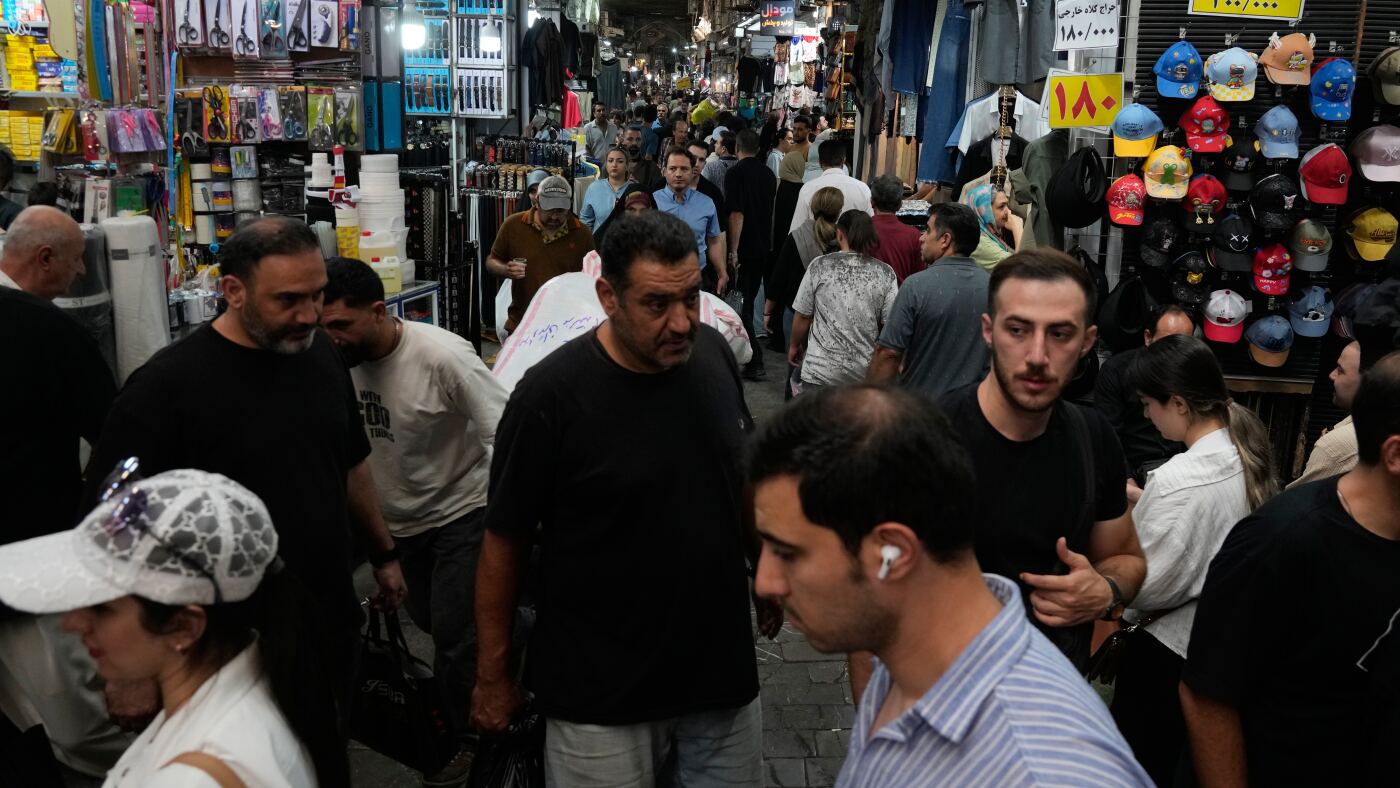
Photo: NPR News

Iran and Oman are working to finalize a temporary deal to reopen the Strait of Hormuz, with ships entering near Iran and exiting near Oman, according to sources familiar with the talks. The agreement has the endorsement of Gulf Cooperation Council members and is expected to be jointly announced by Iran, Oman, the U.S., and the International Maritime Organization. Iranian Foreign Minister Abbas Araghchi stated that while talks are in their final stages, the full reopening of the strait depends on other conditions being met. Iran's Supreme National Security Council has issued demands for the U.S., indicating that the strait will not open until the U.S. "corrects its behavior." U.S. President Donald Trump suggested a deal "could be soon," though some officials noted that work remains to be done.

Sourcesnpr.orgnpr.orgbbc.co.ukmotherjones.comaljazeera.commotherjones.comthehill.com

The takes

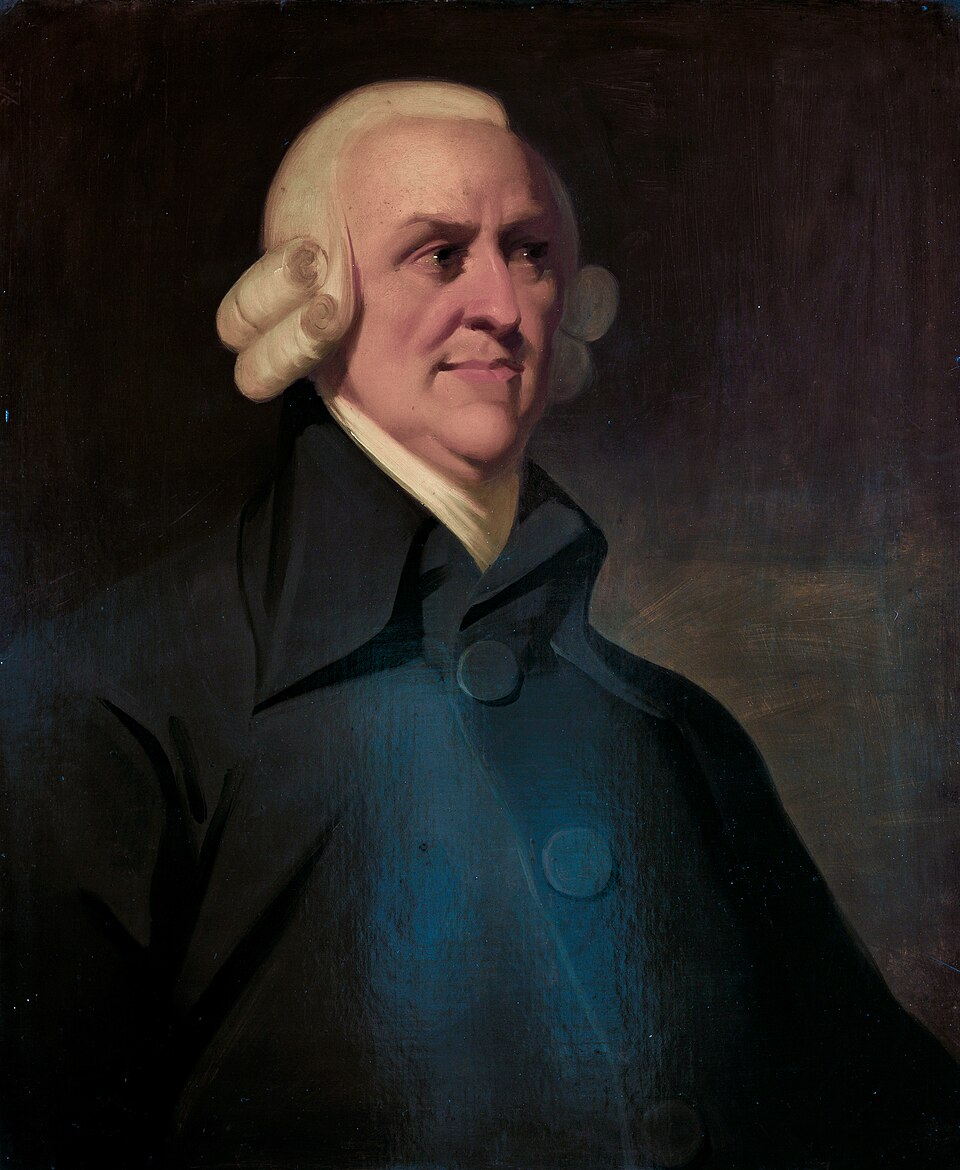
  • Portrait of Adam Smith

    Adam Smith

    1723–1790, Scotland (the Scottish Enlightenment: Kirkcaldy, Glasgow, Edinburgh)

    The Strait of Hormuz Is Not a Private Turnpike

    When a narrow waterway that carries much of the world’s oil is opened only on conditions, we are watching the price of political power being written into every poor man’s fuel bill.

    We are told that the Strait of Hormuz, a channel through which a great portion of the world’s oil must pass, has been effectively shut and is now the subject of anxious negotiation. Iran and Oman, it seems, are working toward a temporary arrangement by which ships would enter on a route close to Iran and exit on a route close to Oman, while other states and international bodies look on and append their approbation. Yet even this modest reopening is said to be “subject to other conditions,” conveyed through intermediaries, while Iran’s own security council has declared the strait will not open until the United States “corrects its behavior.” The world’s commerce thus waits upon a moral lecture.

    Read the essay
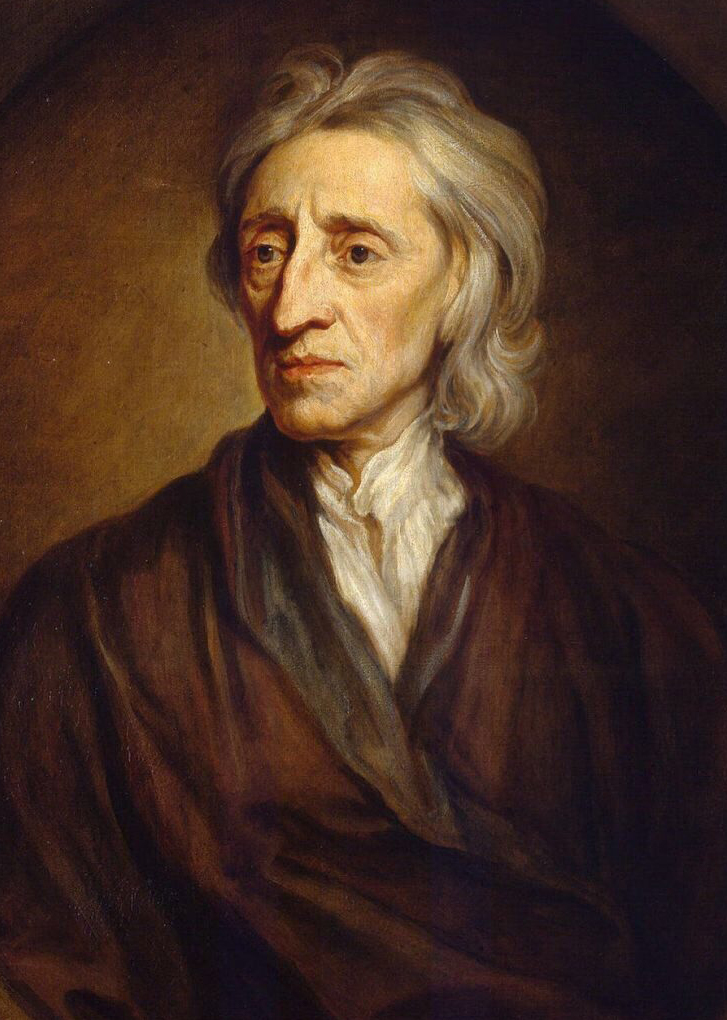
  • Portrait of John Locke

    John Locke

    1632–1704, England (writing amid the Exclusion Crisis and the Glorious Revolution)

    No State May Hold the Strait of Hormuz Hostage

    When a single power conditions the world’s passage on obedience to its demands, it ceases to govern and begins to usurp, and those who depend on that passage are entitled to seek a new authority by consent.

    I read that the Strait of Hormuz, through which a great part of the world’s oil must pass, stands partially shut, not by storm or shipwreck, but by design. Iran, through its Supreme National Security Council and ministers, declares that the strait will not open until the United States “corrects its behavior,” and has published a list of demands as the price of renewed passage. At the same time, Iran and Oman labor toward a temporary arrangement, by which ships might enter by a lane near Iran and depart by one near Oman, an agreement said to be endorsed by neighboring states, by the United States, and even by a body of the United Nations concerned with maritime affairs. Men everywhere wait upon these conditions for their trade, their employment, and thus their very subsistence.

    Read the essay
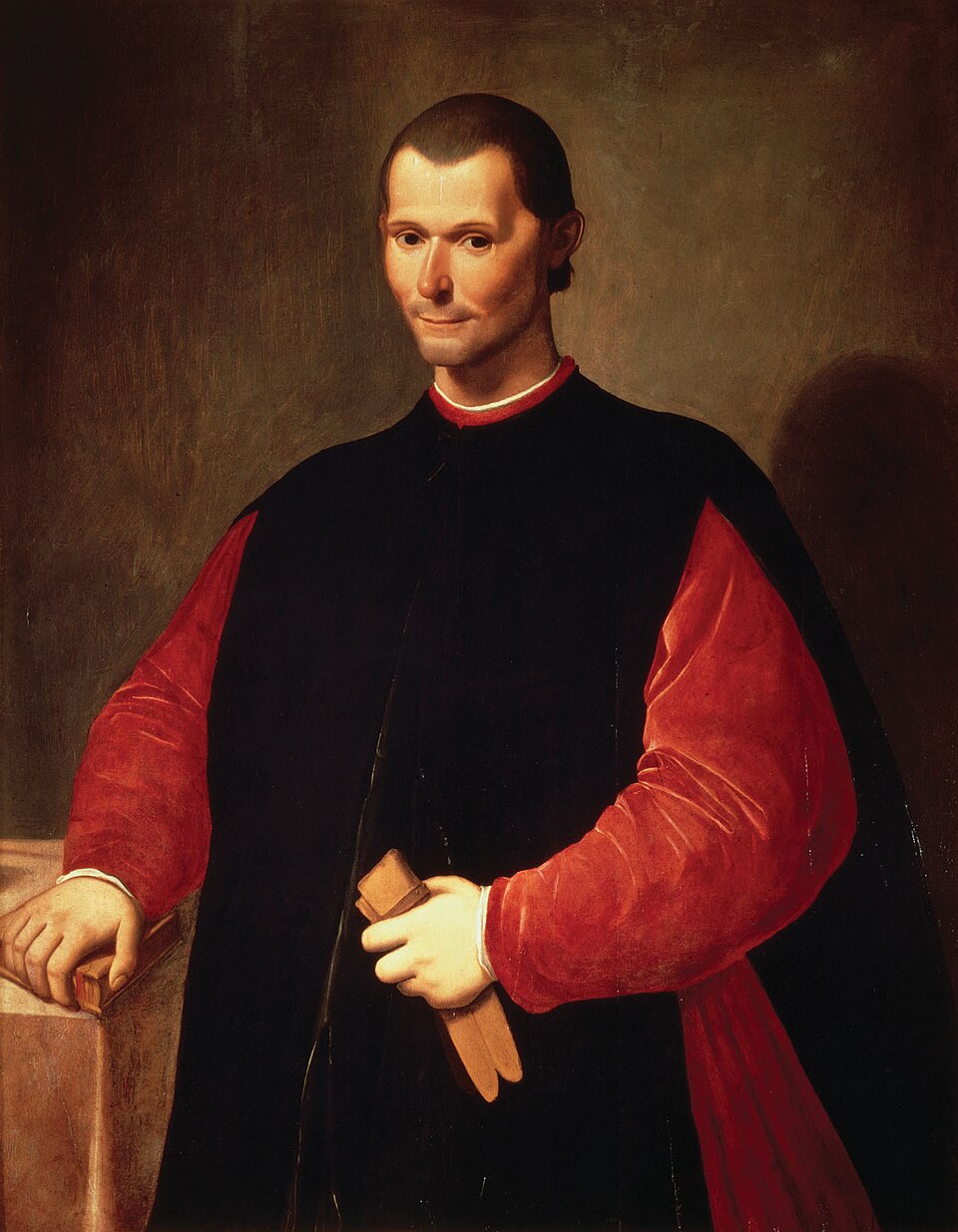
  • Portrait of Niccolò Machiavelli

    Niccolò Machiavelli

    1469–1527, Florence (republican secretary and diplomat, then exile, amid the Italian Wars)

    Hormuz Is Not a Shipping Lane; It Is a Throne Room

    Whoever treats the Strait of Hormuz as a technical problem of routes and tolls, instead of a battlefield where states test their nerve and their arms, has already lost the game being played there.

    Start from the throat, not the map. This strait carries a great portion of the world’s oil, but that is only the stage. The drama is that Iran can close it, is now negotiating to half‑open it, and demands that the United States “correct its behavior” before the gates truly rise. Oman speaks of positive talks. An agreement on routes is near. Yet the very same voices say reopening remains “subject to other conditions,” conveyed through intermediaries and lists of demands. When a man with the key to your only door starts reciting conditions, you are not in a commercial negotiation; you are in a struggle over who commands whose future.

    Read the essay