Iran and Oman Near Agreement on Strait of Hormuz Route Amid U.S. Demands
Hormuz Is Not a Shipping Lane; It Is a Throne Room
Whoever treats the Strait of Hormuz as a technical problem of routes and tolls, instead of a battlefield where states test their nerve and their arms, has already lost the game being played there.
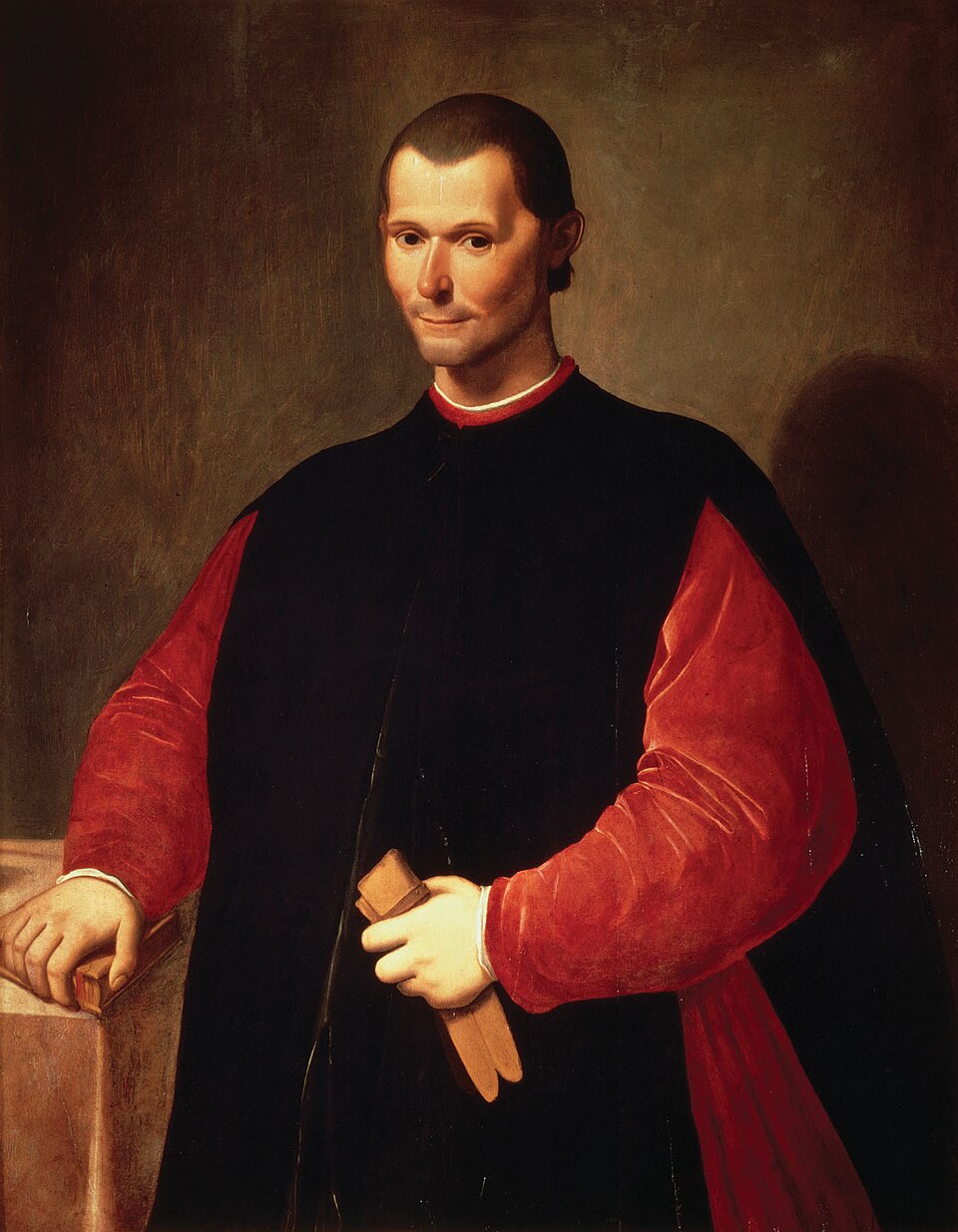
Start from the throat, not the map. This strait carries a great portion of the world’s oil, but that is only the stage. The drama is that Iran can close it, is now negotiating to half‑open it, and demands that the United States “correct its behavior” before the gates truly rise. Oman speaks of positive talks. An agreement on routes is near. Yet the very same voices say reopening remains “subject to other conditions,” conveyed through intermediaries and lists of demands. When a man with the key to your only door starts reciting conditions, you are not in a commercial negotiation; you are in a struggle over who commands whose future.
In The Prince, when I compared fortune to a raging river, I said prudence shows in the dykes you build when the weather is fair, not in the complaints you make when your house is already underwater. Here the river is oil, ships, and world prices. Iran and Oman design a temporary architecture: ships in through a route close to Iran, out through a route close to Oman. This is not mere cartography. It is an attempt to crystallize in geography who must ask permission of whom. A state that can say, “You will enter by my shore and not exit at all until my conditions are met,” has turned the river’s fury into its own virtù. The others discover their dykes were speeches.
The route deal, endorsed by members of the Gulf Cooperation Council and expected to be announced by Iran, Oman, the United States, and an arm of the United Nations, shows another ancient rule. New orders stand only when they have arms of their own. In my Art of War I argued that fine plans without soldiers are prayers. Here the “arms” will be escorts, surveillance, sanctions, insurance rates, and the acquiescence or resistance of every regional navy. A joint announcement is an attempt to turn many weak spears into one shield. Yet I note that even as these talks advance, we hear of ships struck by unknown projectiles and tankers targeted near Oman. When signatures race ahead of security, fortune reminds you whose canal you are sailing.
Conflict in that sea is not a disturbance; it is the normal weather. Yemen’s Houthis claim an attack on a Saudi Aramco facility. The United Arab Emirates reports a tanker hit as it passes. A separate ship is burned by an “unknown projectile.” The war between the United States and Iran, and its armed allies, has eaten munitions. These are not accidents on the margin of diplomacy; they are the pressure that gives diplomacy its shape. As I argued in the Discourses on Livy, Rome’s tumults between the great and the people created the very laws that preserved its liberty. But there the conflict was institutionalized; here it spills through missiles and drones. Where the outlets of hatred are not channeled into tribunals and assemblies, they appear instead as fires on the water.
Now consider the demands. Iran’s Supreme National Security Council declares the strait will not open until the United States “corrects its behavior,” and publishes key conditions. The statement that the United States must never again threaten Iran, and must end permanently the war with Iran and its armed allies, is a bid to convert military exhaustion into written constraint. This is classic fox‑and‑lion work. The fox says: we open the strait and, in return, you sheath the sword that is already dulling. The lion says: if you refuse, remember your dependence on this passage and on munitions you have already consumed. In The Prince I wrote that those who rely only on the lion do not understand what they are about; here the cunning lies in dressing coercion as a doorway to peace.
Yet I also see the danger of the middle course, which I always despise. A “temporary deal” that arranges routes while leaving the core question of behavior and war unresolved invites every armed faction to test it. The Houthis read the same communiqués as admirals do. If they perceive that great powers wish to proclaim success, to show a reopening without paying the full price of a settlement, then attacks on facilities and tankers become the easiest way to remind everyone whose hands still hold matches. Half‑measures bleed. Ill‑used mercy that lets war smolder, I wrote, harms more men in the end than severity that truly ends it. Here I see mercy to appearances, severity to ships, and no true end.
On the American side, one voice says a deal could be soon; another says work remains to be done. This is not hypocrisy; it is divided reading of fortuna. Some see occasione, the occasion to lock Iran into a framework endorsed by Gulf states and an international organization. Others see a trap in which routes are granted, fees perhaps discussed, but the list of conditions never quite satisfied, so that the noose of dependence tightens while war continues in the shadows. In such times men rarely change their nature. Those who rose to power by promising strength often misjudge when prudence demands concession; those who rose by promising peace often misjudge when only credible threat can secure it. Fortune, in these straits, is less a storm than a mirror.
If you ask me, as a counselor, what to watch, I answer: not the communiqués, but who actually escorts which ships, who insures which cargoes, who stops which attack. That will reveal whether fear has hardened into hatred. Iran clearly prefers to be feared in that corridor, but must avoid being so hated that every neighbor and distant power unites against its control. The United States and its partners wish to restore traffic without confessing diminution. Oman wishes to be indispensable and not invaded by events. Behind each statement sits a simple imperative: maintain the state. The one who matches his means to that end, and adapts his playbook as the times change, will rule Hormuz. The others will draft statements while their ships burn.
From the works cited
- The Prince — Virtù versus fortuna — the raging-river figure: preparation in fair weather is the whole difference between the drowned and the dry.
- Discourses on Livy — Managed conflict between the great and the people is the source of a free state's vigor — Rome's tumults produced its liberty.
- The Art of War — No reform survives without arms of its own: ask of every noble plan, 'what are its arms?' Unarmed prophets fail; armed ones succeed.