Tuesday, August 25, 2026
Third Opinion

The dead argue about the news. You pick your side.

The story

Sunday, August 9, 2026

Iran Sets Conditions for Reopening Strait of Hormuz Amid Ceasefire Talks

Iran Sets Conditions for Reopening Strait of Hormuz Amid Ceasefire Talks
Photo: Mother Jones

Iranian officials have outlined specific conditions that the United States must meet before the Strait of Hormuz, a critical oil shipping route, can be reopened. Abbas Araghchi, Iran's foreign minister, stated that reopening the strait depends on the US compensating for violations of the Islamabad Memorandum, part of a June interim deal. Mohammad Bagher Zolghadr, secretary of Iran's Supreme National Security Council, demanded the lifting of US sanctions and naval blockade on Iran, full compensation for war damages, the unconditional release of frozen Iranian assets, and an end to attacks on Iran's regional allies. These demands were made shortly after the signing of the interim ceasefire deal with the US, indicating ongoing challenges to achieving a lasting ceasefire.

Sourcesmotherjones.comnpr.orgbbc.co.ukthehill.com

The takes

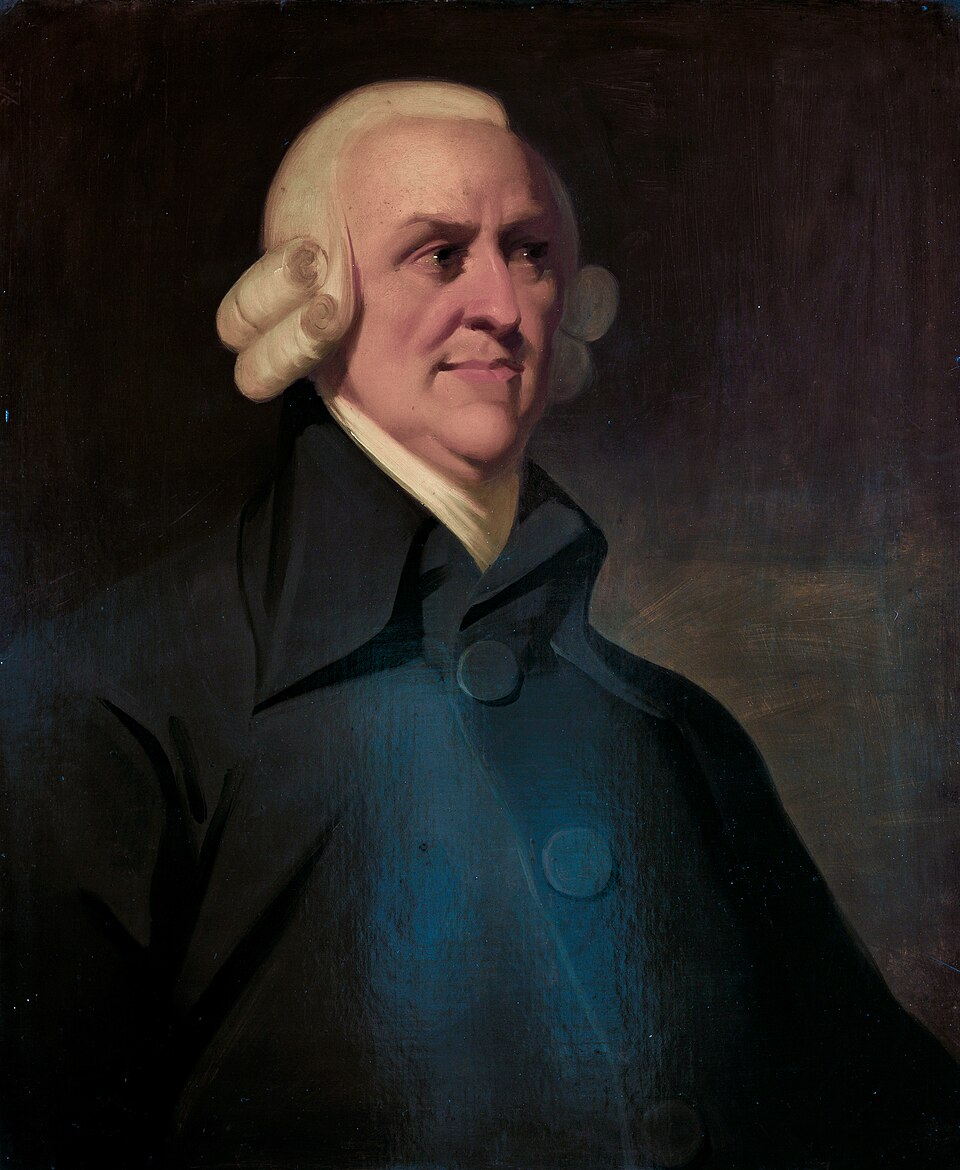
  • Portrait of Adam Smith

    Adam Smith

    1723–1790, Scotland (the Scottish Enlightenment: Kirkcaldy, Glasgow, Edinburgh)

    Closing the Strait, Taxing the World

    When a single waterway becomes hostage to maximal demands and punitive sanctions, the price is paid not by statesmen at the table but by the labouring poor far from it.

    We are told that the reopening of the Strait of Hormuz, a principal passage for the world’s oil, is made contingent on a catalogue of conditions. The government of the United States is asked to compensate for alleged violations of an interim memorandum, to lift sanctions and a naval blockade, to “completely compensate” war damages, to release frozen assets without condition, and to cease all attacks on Iran’s allies. At the same time, that government has bound its own hands, declaring that sanctions will only disappear upon a broader agreement touching nuclear designs. Each party thus piles preconditions upon preconditions, and the Strait remains shut while the negotiators perfect their virtue.

    Read the essay
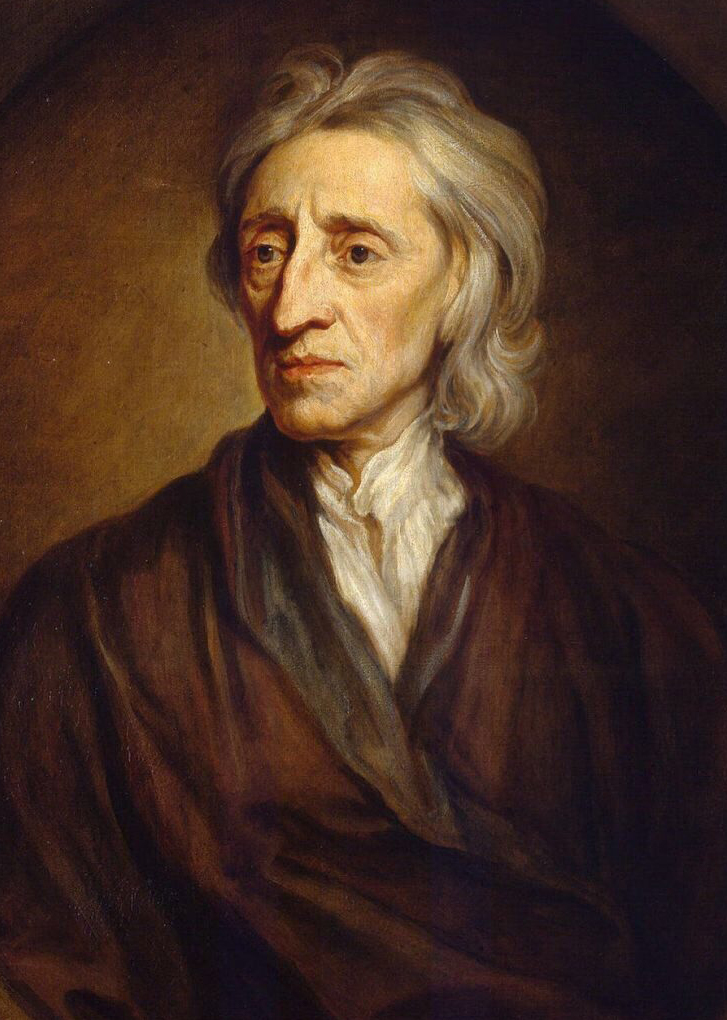
  • Portrait of John Locke

    John Locke

    1632–1704, England (writing amid the Exclusion Crisis and the Glorious Revolution)

    Blockading Hormuz Is Not Governance but Usurpation

    When a distant power claims discretion to choke a people’s trade, seize its goods, and strike its allies, all while judging its own cause, it ceases to govern by right and begins to rule by force alone.

    I begin where I always do: with men considered as they are by nature, not yet entangled in leagues and empires. In that state, as I argued in the Second Treatise, they are free and equal, subject only to the law of nature, which is reason teaching that no one ought to harm another in his life, health, liberty, or possessions. From this it follows that no man, nor any collection of men called a state, has a right to another’s person or estate without his consent. Political power, rightly so called, is only the power of making and enforcing rules for the common good, by settled standing laws, and with an impartial judge. Everything beyond this must justify itself or stand condemned as mere force.

    Read the essay
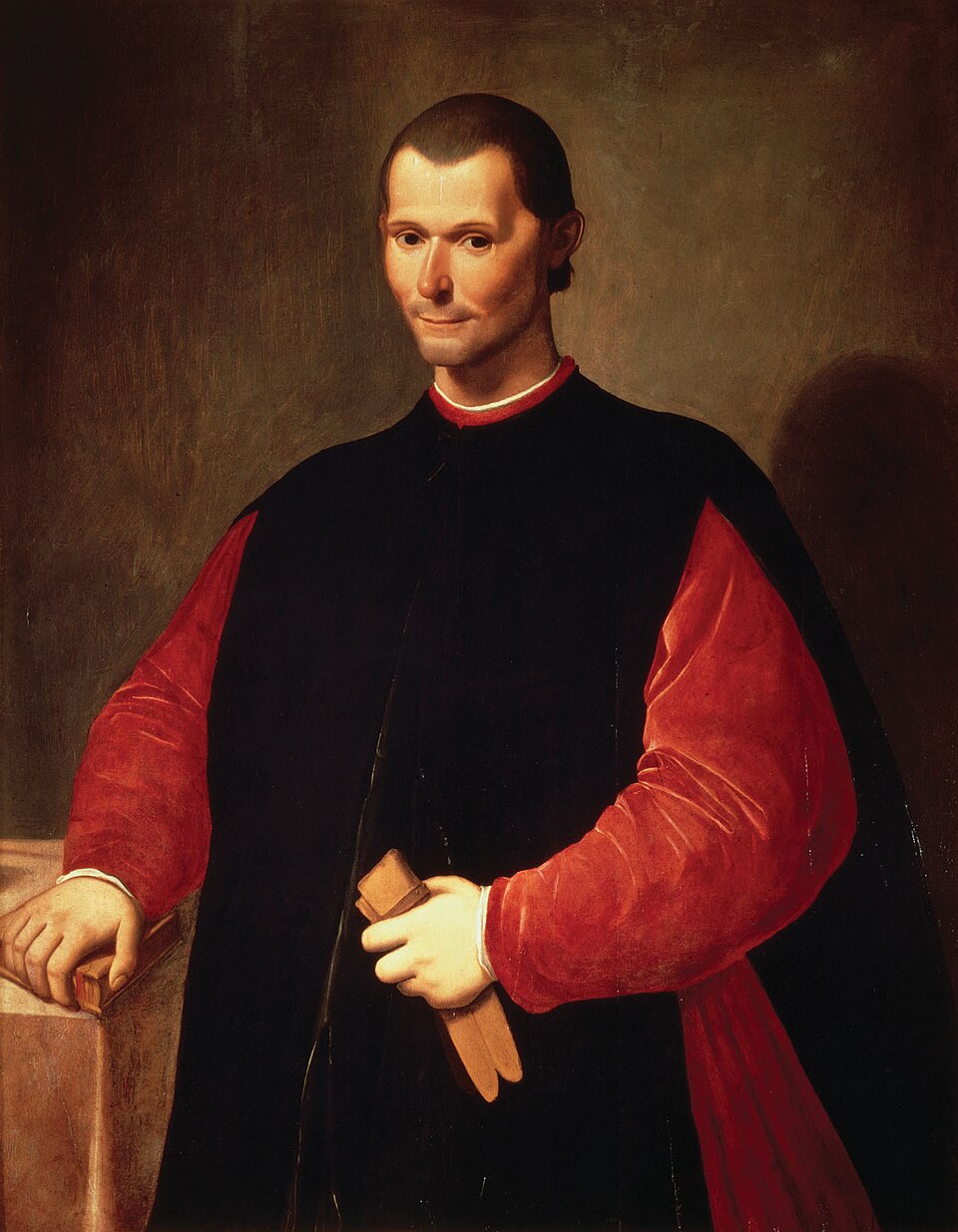
  • Portrait of Niccolò Machiavelli

    Niccolò Machiavelli

    1469–1527, Florence (republican secretary and diplomat, then exile, amid the Italian Wars)

    America Is Fighting a War with Its Hair in the Mirror

    When the reopening of the Strait of Hormuz hangs on conditions Washington has not met, memes about a president’s new coiffure are a symptom of a deeper loss of virtù.

    A key waterway is half-closed and the world gawks at a hairstyle. While the internet obsesses over a leader’s “summer glow-up” and sparse comb-over, Iranian officials calmly state that the Strait of Hormuz will reopen only if the United States compensates for violations of the Islamabad Memorandum. They add demands: lift sanctions and a naval blockade, completely compensate for war damages, unconditionally release frozen assets, end attacks on allies. This is the effectual truth: navigation and oil flows sit behind a locked door, and the key is in someone else’s hand. When ships stop and conditions multiply, it is useless to study intentions; one must study leverage.

    Read the essay