Iran Sets Conditions for Reopening Strait of Hormuz Amid Ceasefire Talks
Blockading Hormuz Is Not Governance but Usurpation
When a distant power claims discretion to choke a people’s trade, seize its goods, and strike its allies, all while judging its own cause, it ceases to govern by right and begins to rule by force alone.
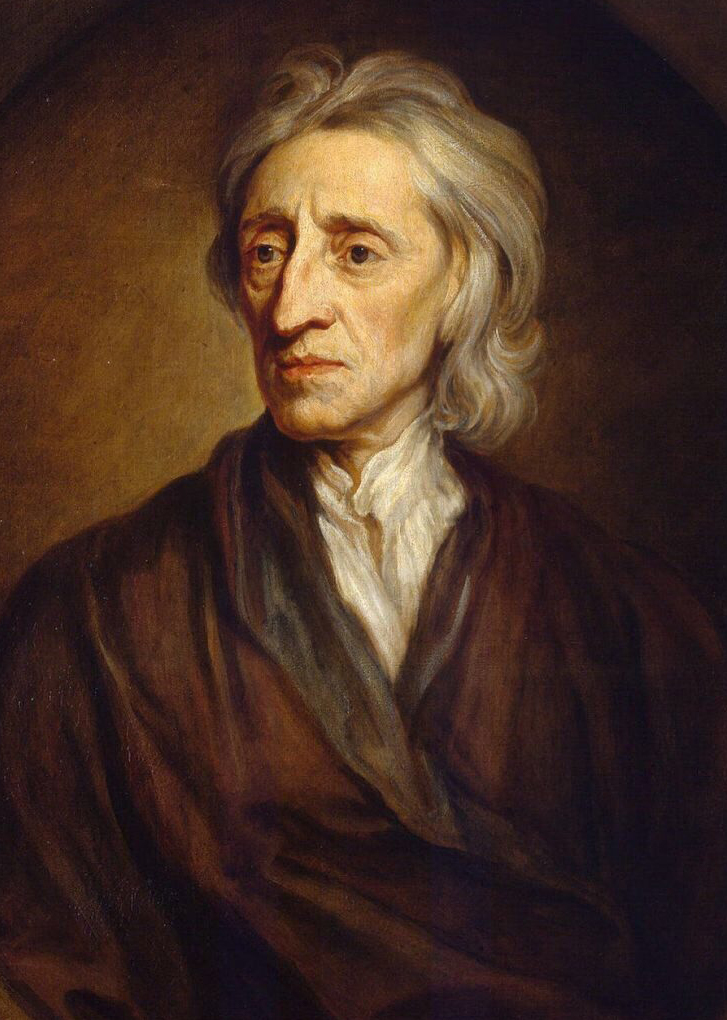
I begin where I always do: with men considered as they are by nature, not yet entangled in leagues and empires. In that state, as I argued in the Second Treatise, they are free and equal, subject only to the law of nature, which is reason teaching that no one ought to harm another in his life, health, liberty, or possessions. From this it follows that no man, nor any collection of men called a state, has a right to another’s person or estate without his consent. Political power, rightly so called, is only the power of making and enforcing rules for the common good, by settled standing laws, and with an impartial judge. Everything beyond this must justify itself or stand condemned as mere force.
The present controversy around the Strait of Hormuz sets that simple measure in a clear light. We are told that Iran’s foreign minister has declared the reopening of that passage contingent on conditions, among them that the United States compensate for its violations of what is called the Islamabad Memorandum, an interim ceasefire deal; and that a senior Iranian security official demands an end to sanctions and a naval blockade, full war damages, release of frozen Iranian assets, and an end to attacks on Iran’s allies. I know nothing of the wisdom of each demand in detail; but I see plainly that, on their face, they concern possessions, political independence, and security from force. These are the very objects for which civil societies are formed and for which alone coercive power can be justified.
If one people, under colour of emergency or prudence, imposes sanctions that confiscate another’s trade, maintains a naval blockade that closes its chief waterway, retains its assets abroad, and continues attacks on those with whom it chooses to stand allied, it plainly does that which, in the state of nature, would be accounted harm to liberty and estate. To seize a man’s goods, bar his access to the common sea, and beat his friends is not, by any honest tongue, called mere persuasion. The law of nature binds rulers as well as subjects, and a positive order of any legislature or executive, however solemnly pronounced, cannot make that just which reason, indifferent to names, sees for violence. When such measures are persisted in despite protest, they place the author in a state of war with those so injured.
Some will reply that these acts are prerogative, that is, the exercise of discretion beyond or even against standing rule for the public good. I allowed such a power in the Second Treatise, but I confined it strictly. Prerogative is tolerable only so long as it is manifestly for the safety of the people and remains revocable upon their discontent. It is a temporary trust, not a settled right. When a government uses this plea of necessity to entrench a constant regime of sanctions and blockades, to condition their lifting upon the other party’s submission in matters touching its very sovereignty and identity, and to refuse compensation for its own admitted or alleged violations of prior agreements, the character of that power changes. What was once a doubtful remedy for sudden danger becomes a standing dominion over another people’s affairs.
The quarrel over reopening Hormuz therefore turns, in my understanding, upon consent. Trade along the seas that nature has left common to all cannot rightly be made the perpetual hostage of one state’s will. If Iran says, in effect, that it will not resume the ordinary commerce of that strait unless the United States lifts sanctions, ends the blockade, compensates war damages, releases frozen assets, and ceases attacks on its allies, it asserts conditions under which it can assent to renewed intercourse. If, conversely, the United States insists on maintaining coercive measures while demanding access or advantage in that passage, it seeks the benefits of another’s consent while withholding its own performance of natural and civil duties. Such one-sided bargaining more resembles a conqueror dictating terms than free and equal persons making a compact for mutual benefit.
When any government thus treats its own promises lightly, violating an interim memorandum yet refusing compensation; when it keeps another nation’s property frozen, closes its trade by blockade, and continues attacks against those it calls that nation’s allies; when it does all this while remaining judge in its own case, without submitting to any impartial tribunal accepted by both sides; then, by the principles I long ago set down, it forfeits the title of a mere disputant and assumes that of an aggressor. It is a usurpation of authority over those who never entrusted such power to it, and they are thereby justified in resistance so far as is necessary to preserve their lives, liberties, and estates. Fear that such resistance may disturb markets or displease spectators is no argument against the right of a people to be free from a long train of abuses.
I do not pretend, on these sparse reports, to discern every circumstance of this conflict, nor to weigh the secret reasons of state that counsellors may whisper in their chambers. But I see enough to say this: a government that claims the right to starve a people’s commerce, hold their goods, and strike their associates, all while excusing itself from restitution for broken agreements, has passed beyond the bounds of power held on trust. Its conduct is not the cure of the state of nature but an approach to it, with this aggravation, that it adds to private force the engines of a great commonwealth. When rulers so behave, they rebel first; those who withstand them only follow that appeal to heaven which God has left as the last refuge of the injured.
From the works cited
- Second Treatise of Government — Political power defined narrowly as the right to make laws, with penalties, only for the public good — anything beyond that definition must justify itself or stand condemned.
- Second Treatise of Government — The state of nature as analytic baseline: perfect freedom and equality under the law of nature, so that government must be shown to improve on that baseline for everyone who leaves it.
- Second Treatise of Government — Prerogative as revocable emergency discretion — legitimate exactly as long as the public visibly benefits and no longer.