Tuesday, August 25, 2026
Third Opinion

The dead argue about the news. You pick your side.

The story

Friday, August 14, 2026

Nevada judge dismisses criminal case against 2020 election 'fake electors'

Nevada judge dismisses criminal case against 2020 election 'fake electors'
Photo: PBS NewsHour

A Nevada judge dismissed criminal charges against six Republicans accused of falsely declaring President Trump the winner of Nevada's 2020 presidential election. Clark County District Judge Mary Kay Holthus ruled there was insufficient evidence to prove the allegations. After the 2020 election, the six Republican electors signed a certificate claiming Nevada's six electoral votes for Trump, despite Joe Biden winning the state by over 30,000 votes. Similar cases involving 'fake electors' in Arizona, Michigan, and Georgia have also been dismissed. These cases concluded following Trump's defeat by Democratic Vice President Kamala Harris in the 2024 election.

Sourcesthehill.compbs.orgpbs.orgmotherjones.comthehill.comaljazeera.com

The takes

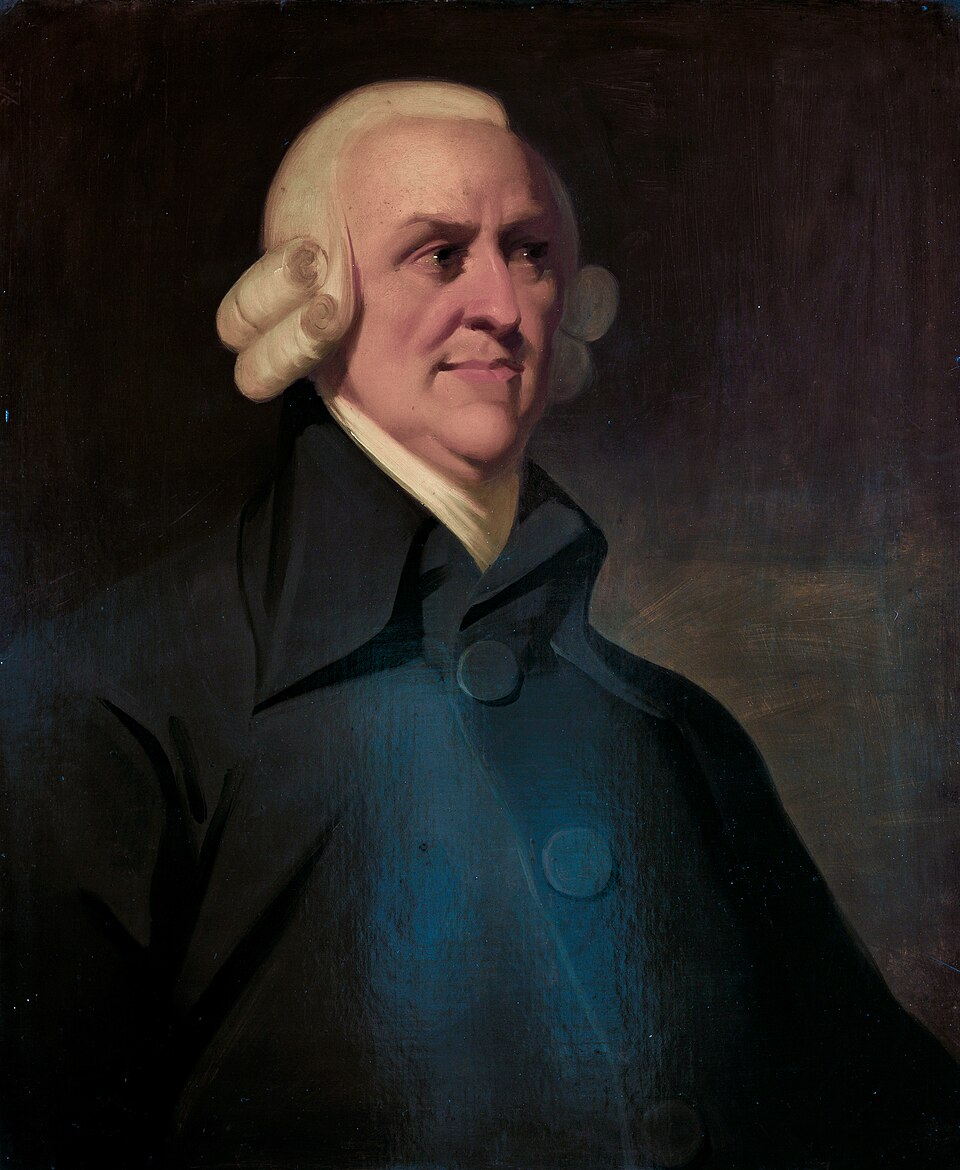
  • Portrait of Adam Smith

    Adam Smith

    1723–1790, Scotland (the Scottish Enlightenment: Kirkcaldy, Glasgow, Edinburgh)

    When Electors Fake the Vote, Justice Cannot Be a Matter of Taste

    A judge may dismiss for want of proof, but the impartial spectator is not so easily persuaded that forging a people’s choice is an innocent amusement.

    In Nevada, I am told, six gentlemen who had been named as electors by one party assembled after the 2020 contest and signed a certificate awarding the state’s votes to their preferred candidate, though the settled count gave victory to the other by more than thirty thousand. Years later, the criminal charges against them have been dismissed; the judge found the evidence insufficient to sustain conviction. Similar efforts to prosecute such “fake electors” in other places have likewise miscarried. The law, which ought to be grave, is here reduced to a kind of embarrassed shrug; the drama ends, not with clarifying sentence, but with a technical silence.

    Read the essay
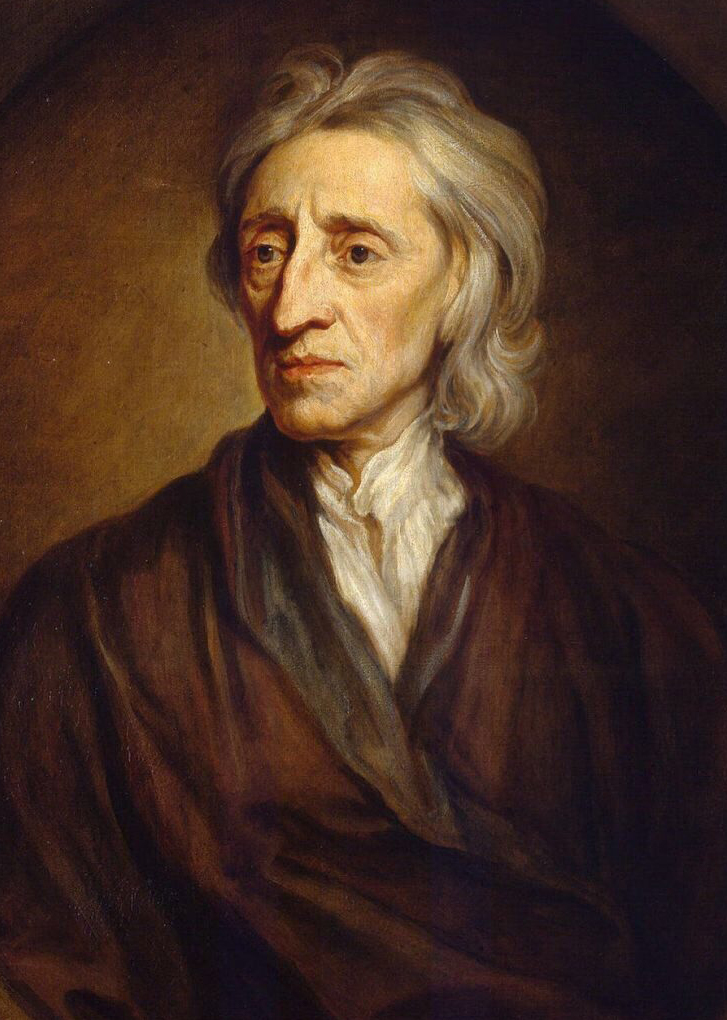
  • Portrait of John Locke

    John Locke

    1632–1704, England (writing amid the Exclusion Crisis and the Glorious Revolution)

    Why Acquitting the ‘Fake Electors’ May Still Protect Your Liberty

    When evidence fails, disappointment is no argument for turning criminal law into a weapon of politics.

    I begin from what is public and undisputed. In Nevada, six persons, described as Republican electors, gathered outside the legislature after the 2020 election and signed a certificate purporting to give that state’s electoral votes to one candidate, though another had prevailed there by more than thirty thousand votes. The magistrate, Judge Mary Kay Holthus, has now dismissed the criminal charges against them, affirming that the evidence did not suffice to prove the offences alleged. Similar cases in other states, I am told, have likewise been dismissed. Many take these acquittals as an outrage, others as a vindication. I see in them, first and chiefly, a test of what we mean by government under law.

    Read the essay
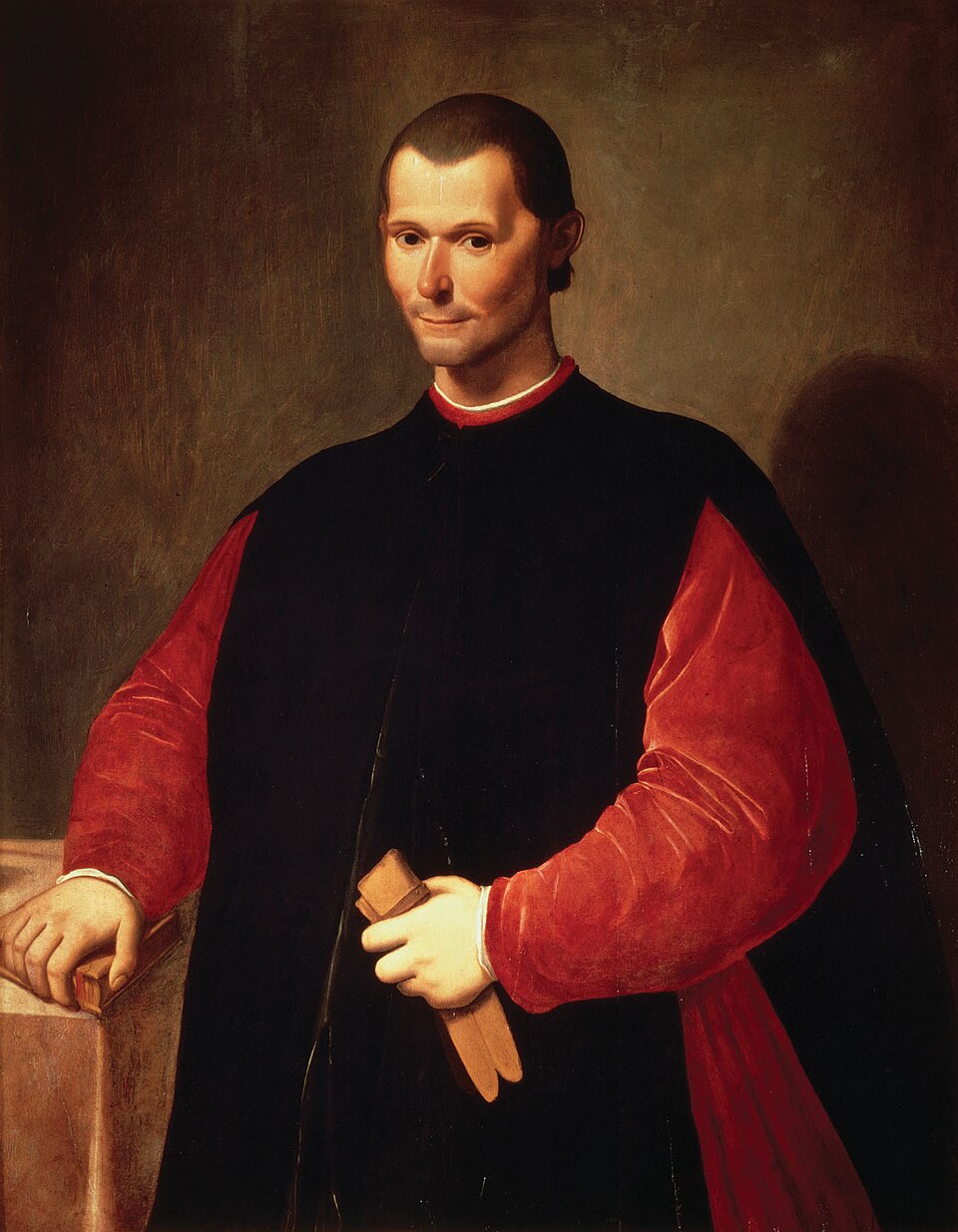
  • Portrait of Niccolò Machiavelli

    Niccolò Machiavelli

    1469–1527, Florence (republican secretary and diplomat, then exile, amid the Italian Wars)

    The Fake Electors Won Their Case. The Republic Lost Something Harder to Replace.

    When men can sign a false certificate in daylight and watch the charges vanish in court, the law has kept its robes but lost its sword.

    In Nevada, six men gather outside the legislature and sign a paper saying their candidate won, though the official count says he lost by more than thirty thousand votes. They do not hide. They claim the state’s electoral votes in his name and send this certificate on its way. Years later, a judge dismisses the criminal case for lack of evidence. Similar efforts in Arizona, Michigan, and Georgia die the same quiet death. In the meantime that candidate returns to power by defeating his rival in a later election. You call this a “major blow” to prosecutions. I call it something harsher: a test of the republic’s nerves, failed in slow motion.

    Read the essay