Nevada judge dismisses criminal case against 2020 election 'fake electors'
The Fake Electors Won Their Case. The Republic Lost Something Harder to Replace.
When men can sign a false certificate in daylight and watch the charges vanish in court, the law has kept its robes but lost its sword.
In Nevada, six men gather outside the legislature and sign a paper saying their candidate won, though the official count says he lost by more than thirty thousand votes. They do not hide. They claim the state’s electoral votes in his name and send this certificate on its way. Years later, a judge dismisses the criminal case for lack of evidence. Similar efforts in Arizona, Michigan, and Georgia die the same quiet death. In the meantime that candidate returns to power by defeating his rival in a later election. You call this a “major blow” to prosecutions. I call it something harsher: a test of the republic’s nerves, failed in slow motion.
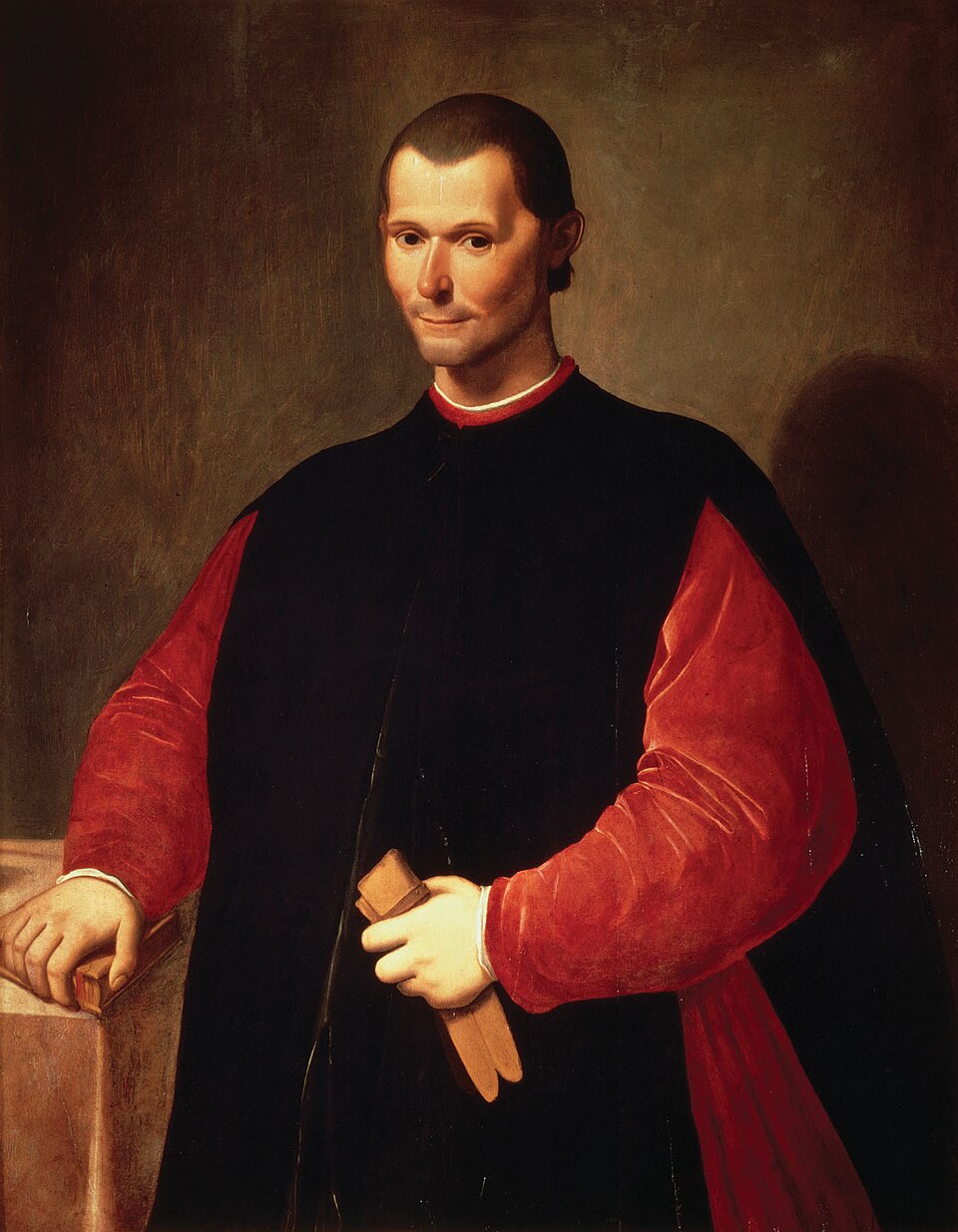
I leave sermons aside. Men tied to a party or a prince will risk much to keep him in office, for with him go their honors, their hopes, and often their safety. In Florence I saw records twisted with less at stake than control of a mighty republic’s executive power. The effectual truth here is simple: these electors acted from interest, not piety, and chose a bold stroke over a cautious brief. When in The Prince, in W. K. Marriott’s translation, I counsel that one must be both lion and fox, I mean exactly such moments, when legality is stretched to breaking while still saluting its forms.
The graver question is not why they did it, but why the state could not answer. Years of investigation end in a judge’s phrase: not enough evidence. In another state, fifteen accused see their case tossed. Elsewhere, prosecutions likewise fall away. One might say this shows legal scruple, which refuses to condemn without proof. Yet a republic must ask whether its laws are framed, and its inquiries armed, so that those who subvert its elections cannot shelter in technical shadows. If the sword is always too dull or too short when raised against the powerful, the people learn first to doubt it, then to despise it, and finally to ignore it.
In the Discourses on Livy, in Ninian Hill Thomson’s English, I praised Rome because it turned the tumults between Senate and people into ordered conflicts, with tribunes as the people’s arms. Those tumults, I wrote, were the cause of Roman liberty, not its ruin. Here you have tumults over an election, but they are not turned into stronger institutions. They are fought in scattered criminal cases that crumble one by one. The people watch intricate legal arguments devour a fact they grasp perfectly: certain men signed what the official count declared false. When they conclude that such games are allowed to the great but deadly to themselves, the corruption of the people has already advanced far.
Many now console themselves with stability. The republic, they say, survived the election; power changed hands; later, it even returned to the man those electors favored. Why reopen wounds? This is how declining states speak. In The Prince I compared fortune to a raging river: it overwhelms where no dykes have been built in calmer times. Rulers who mistake one lucky passage through the flood for proof of lasting safety soon find their cities underwater. To permit a precedent in which rival slates of electors may be fabricated with impunity is not peace; it is negligence disguised as calm.
Others answer that prosecutions themselves are dangerous, that pursuing these men would inflame factions and turn every loss at the polls into a legal war. There is some prudence in this fear; in corrupt times, every remedy has its poison. Yet when magistrates restrain themselves chiefly from dread of appearing partial, they invite actors more ruthless than themselves to redefine the limits of the possible. The middle course is therefore the worst. Loud denunciations of “fake electors,” followed by cases so weak or timid that they collapse, teach ambitious men that only bolder, more coordinated attempts will succeed. Thus half-measures educate the conspirator and dishearten the citizen.
You must look not at this Nevada dismissal alone, but at the pattern it exposes. In several states, the arm of the law has failed to seize those who openly tested the electoral order. That arm now appears slack. Appearances in politics are a hard currency: men judge more by what they see than by what is argued. What they see is that a clever partisan may sign what the count denies, proclaim it publicly, and likely escape punishment. I prefer republics to principalities because a people, well armed with good orders, is more constant than any prince. But when those orders show little virtù in defending themselves, the people grow cynical, and cynicism is the school of future tyrants.
From the works cited
- The Prince — Virtù versus fortuna — the raging-river figure: preparation in fair weather is the whole difference between the drowned and the dry.
- The Prince — Arms of one's own versus mercenaries and auxiliaries: power borrowed is power owed, and it will be collected at the worst moment.
- Discourses on Livy — The tumults between Senate and plebs, channeled through institutions like the tribunate, were the cause of Roman liberty — conflict as constitutional fuel, not constitutional failure.