Tuesday, August 25, 2026
Third Opinion

The dead argue about the news. You pick your side.

The story

Sunday, August 16, 2026

Moroccan Police Detain Over 100 Migrants Near Ceuta Amid Heightened Border Security

Moroccan Police Detain Over 100 Migrants Near Ceuta Amid Heightened Border Security
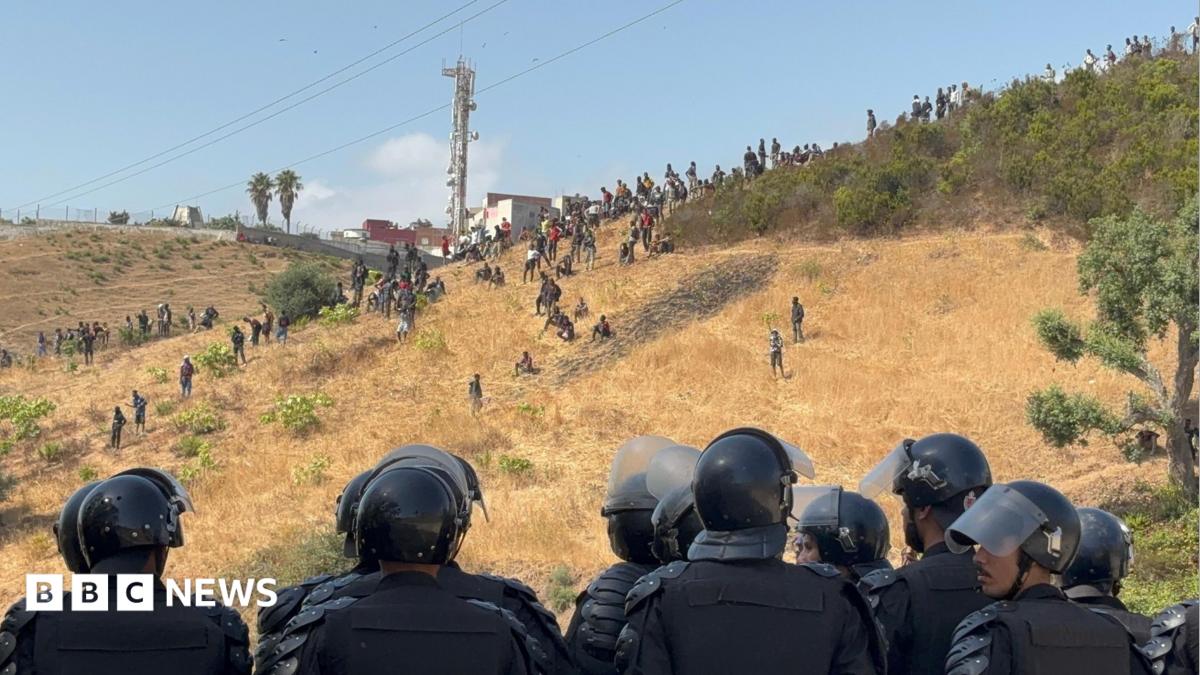
Photo: BBC World

Moroccan authorities detained 111 individuals, mostly from sub-Saharan Africa, in or around the town of Fnideq, approximately 3 kilometers from the border with Spain's Ceuta. Among those arrested were 109 migrants and two Moroccan citizens. The detentions occurred amid increased security measures, with Spain deploying over 1,500 officers to patrol the area and strengthening security at the breakwater entrance significantly compared to the previous day. Moroccan police also used teargas to disperse groups of migrants gathered near the border. The heightened security followed warnings from Rabat regarding social media posts calling for a mass crossing into Ceuta on August 15, with authorities stating they would prosecute organizers and participants of such attempts.

Sourcesbbc.co.uktheguardian.commotherjones.com

The takes

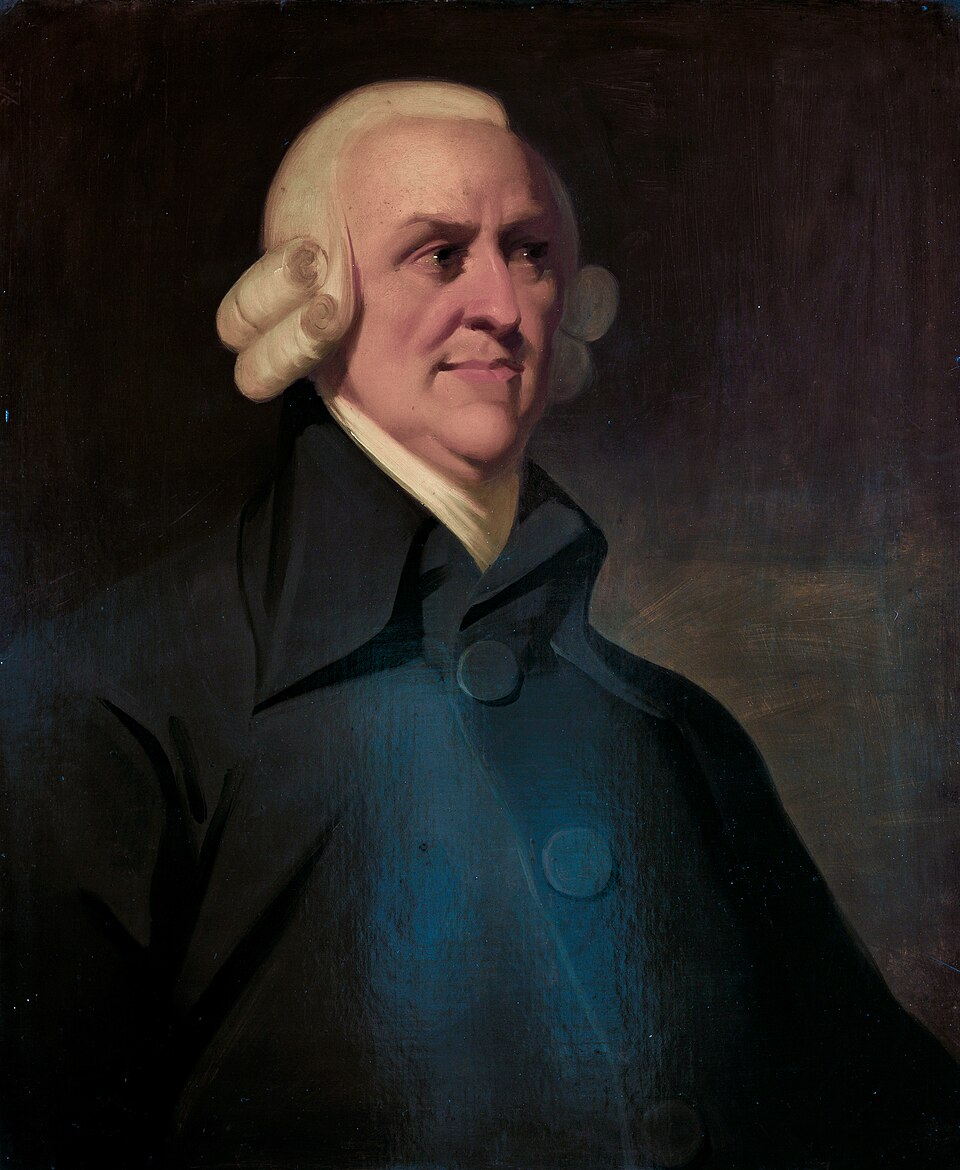
  • Portrait of Adam Smith

    Adam Smith

    1723–1790, Scotland (the Scottish Enlightenment: Kirkcaldy, Glasgow, Edinburgh)

    Ceuta’s Hill of Tears: What a Border Crackdown Conceals

    The arrests outside Ceuta show not a simple triumph of order over disorder, but a deeper failure to guide the motions of men whose labour could enrich the very societies that now turn them back with gas and batons.

    On a hill a few kilometres from Ceuta, more than a hundred people gathered and were met, not by employers or customers, but by teargas. Moroccan police detained 111 persons near the town of Fnideq, most of them from sub‑Saharan Africa, while Spain, on its side, deployed some 1,500 officers and strengthened security, we are told, tenfold at the breakwater. Social media messages had called for a mass crossing on a particular day; the authorities, forewarned, announced prosecutions for organisers and participants alike. Here the spectacle is clear enough: a mass of poor strangers pushing towards a rich frontier, and two states answering, in concert, with a wall of disciplined force.

    Read the essay
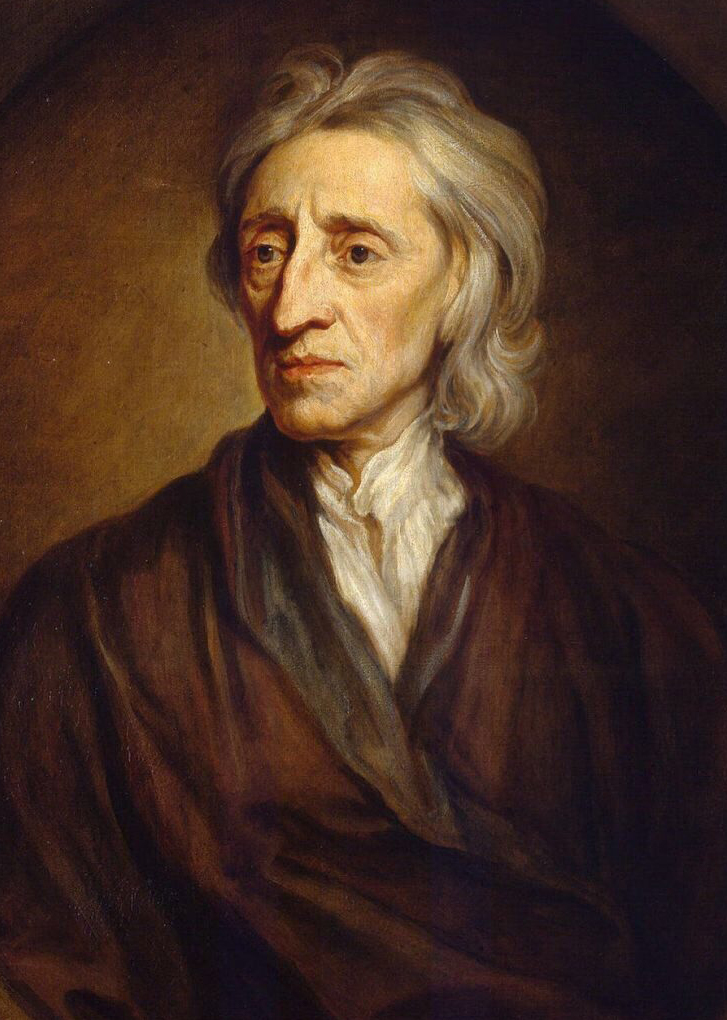
  • Portrait of John Locke

    John Locke

    1632–1704, England (writing amid the Exclusion Crisis and the Glorious Revolution)

    Teargas at the Border Is Not a Substitute for Law

    When 111 people are arrested and driven back from Ceuta under clouds of gas and ranks of officers, the question is not first what a border permits, but what free and equal persons can ever have consented to suffer there.

    I begin from the only firm ground I know: every man and woman in this story, whether wearing a uniform in Ceuta or walking on the hills above Fnideq, is by nature free, equal, and independent. As I wrote in the Second Treatise, the state of nature is a condition of perfect freedom under a common law of reason. No one is born marked to command, none branded to obey. Whoever therefore claims a right to stop another, to bind his hands, to disperse him with teargas, or to confine him in detention, must show by what title this power was acquired, and that it is exercised only for the preservation of their lives, liberties, and estates.

    Read the essay
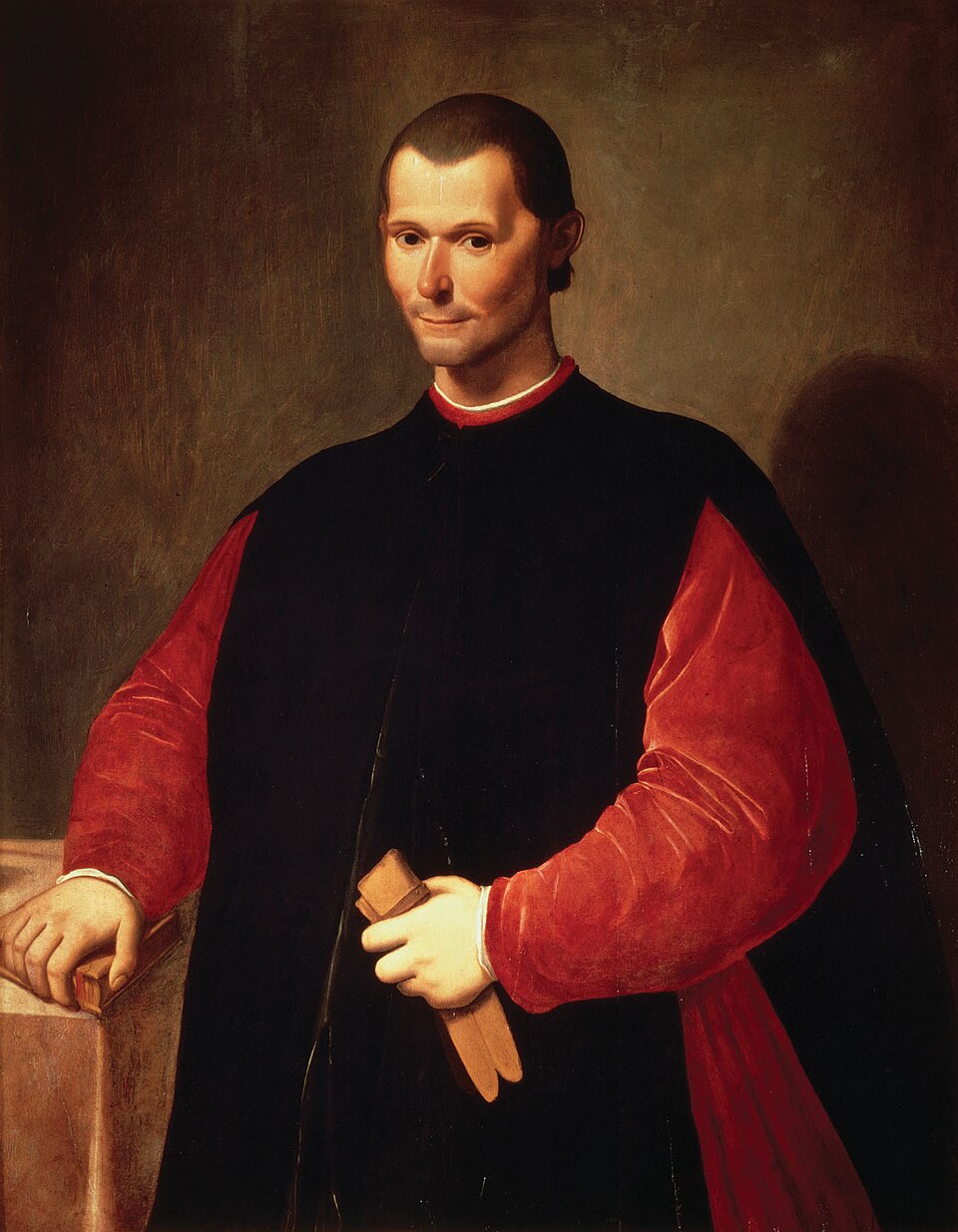
  • Portrait of Niccolò Machiavelli

    Niccolò Machiavelli

    1469–1527, Florence (republican secretary and diplomat, then exile, amid the Italian Wars)

    Ceuta Shows How Borders Test the Nerves of States

    At Ceuta, Spain and Morocco behave as prudent rulers who know that frontiers are held by preparation and reputation, not by sermons about compassion alone.

    A strip of rock in Africa, garrisoned by Europe, is again the stage where necessity speaks louder than homilies. Around Fnideq, three kilometres from Ceuta, Moroccan police detain 111 people, mostly from sub-Saharan Africa, and disperse others with gas on the hills. Spain, on its side, masses more than 1,500 officers and makes security at the breakwater “ten times stronger than the previous day”, as one of your papers reports. Earlier, Rabat warns it will prosecute organisers and participants in a mass crossing planned through messages on social channels. No one here speaks of charity. They speak of numbers, deployments, arrests. When I read that language, I know I am not in a pulpit; I am in the council chamber.

    Read the essay