Tuesday, July 28, 2026
Third Opinion

The dead argue about the news. You pick your side.

The story

Sunday, July 26, 2026

UK Cancels September 2026 Military Exercise in Kenya Over Defence Agreement Disputes

UK Cancels September 2026 Military Exercise in Kenya Over Defence Agreement Disputes
Photo: Al Jazeera

The United Kingdom’s Ministry of Defence cancelled a planned military training exercise in Kenya scheduled for September 2026 after the Kenyan government did not ratify the bilateral Defence Cooperation Agreement. This agreement outlines the legal framework for military cooperation between the two countries. The cancellation followed concerns raised by Kenya regarding funding and jurisdiction over criminal offences related to the British Army Training Unit Kenya (BATUK). Kenyan officials, including Nelson Koech, chair of the national assembly’s defence committee, stated that both governments are actively engaging to resolve outstanding issues. The UK Ministry of Defence expressed regret over challenges linked to its defence presence in Kenya and emphasized the value it places on the bilateral relationship, which supports joint training and security cooperation. Debates continue in Kenya over human rights concerns associated with the military partnership.

Sourcesaljazeera.comtheguardian.com

The takes

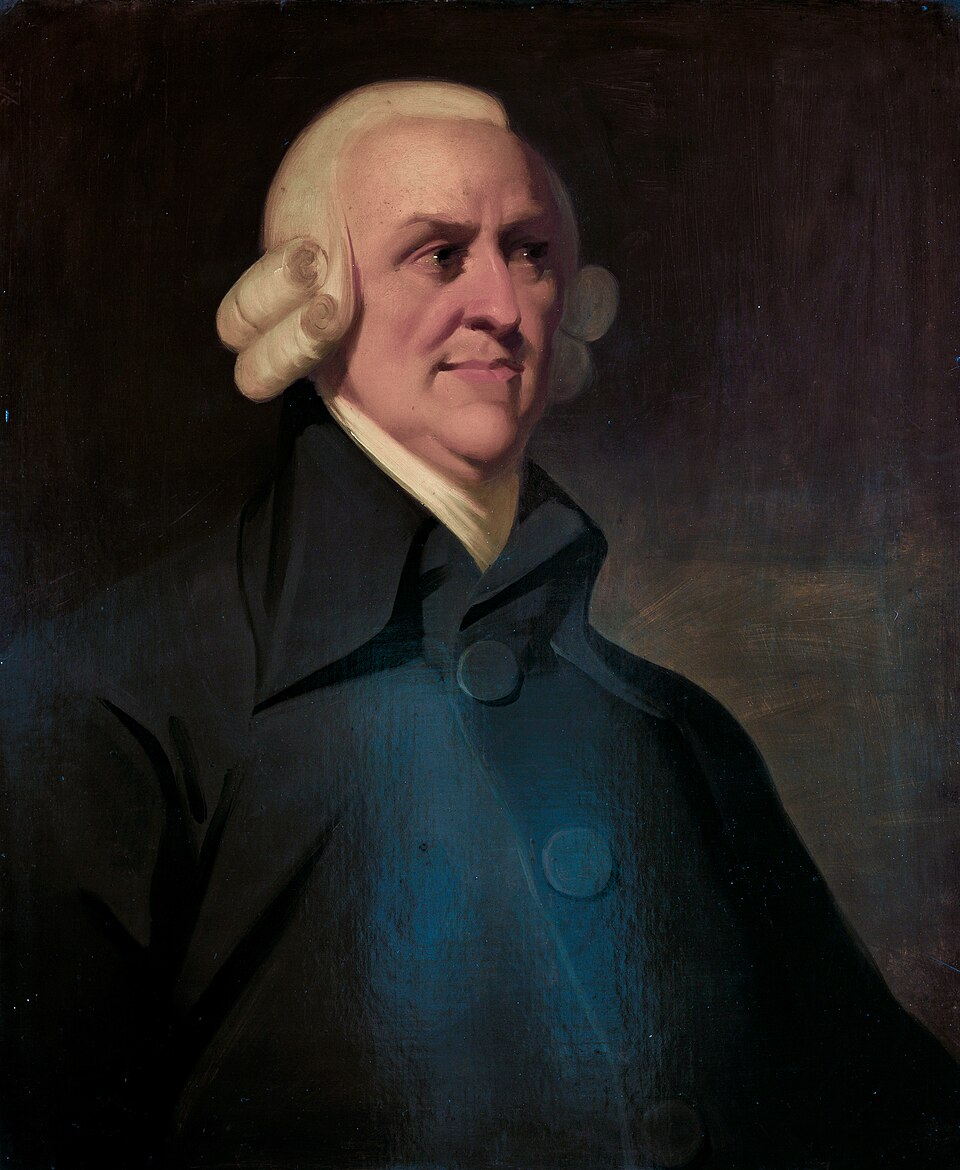
  • Portrait of Adam Smith

    Adam Smith

    1723–1790, Scotland (the Scottish Enlightenment: Kirkcaldy, Glasgow, Edinburgh)

    When Soldiers Meet Sovereignty: Lessons from a Cancelled Exercise in Kenya

    The suspension of British training in Kenya is not a diplomatic mishap but a market correction in the trade of power, law and respect.

    The cancellation of a British army exercise in Kenya, we are told, followed the failure to obtain the requisite approvals and rests upon disagreements about jurisdiction and money. On one level this is a narrowly professional dispute: whose courts shall try which soldiers, and what price shall be paid for the use of Kenyan soil. On another level, it is a revealing experiment in political economy. Here we see two states bargaining, not for cloth or corn, but for the terms on which armed men may act within a poorer country’s borders. The higgling of this particular market exposes what is usually concealed: that legal privilege, like any other favour, has a price, and that the buyer is no longer assured of a discount.

    Read the essay

  • Portrait of John Locke

    John Locke

    1632–1704, England (writing amid the Exclusion Crisis and the Glorious Revolution)

    Britain’s Soldiers in Kenya, and the Limits of Borrowed Power

    When foreign troops stand on another people’s soil under disputed laws and contested courts, the name for it is not partnership but usurpation, however politely framed.

    The cancelled training of British troops in Kenya, we are told, follows the Kenyan government’s refusal to ratify a defence agreement that would govern such exercises. At the heart of the quarrel lie funding and, more gravely, the question who shall have jurisdiction over criminal offences by British soldiers on Kenyan soil, with human rights abuses cited as a cause of public unease. Both governments profess mutual benefit, respect, and cooperation, and continue to “engage” about these outstanding issues. Yet the thing to be understood is simpler: when armed men are present in a country, under colour of law that its own representatives will not approve, political power has outrun consent, and trust is already broken.

    Read the essay
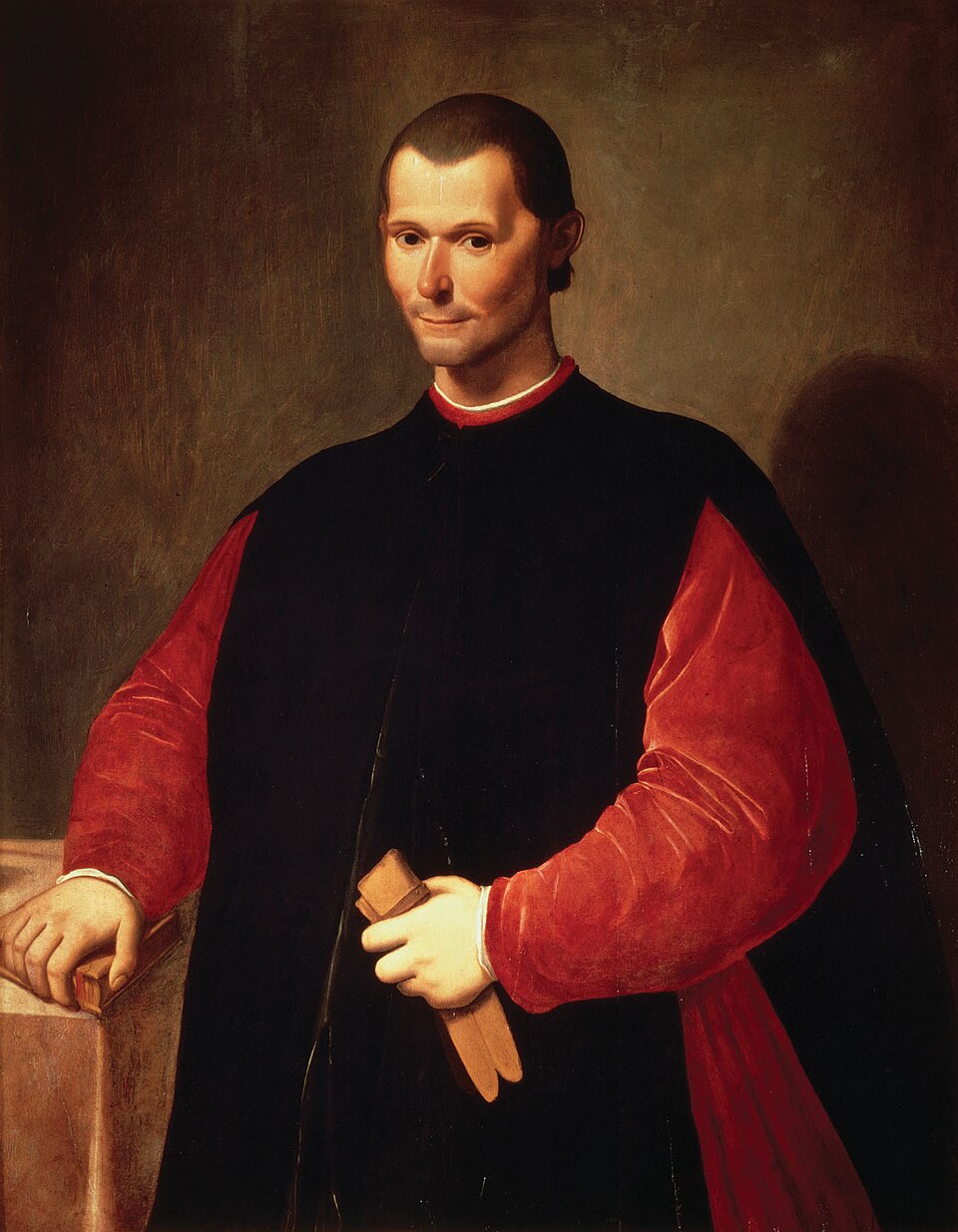
  • Portrait of Niccolò Machiavelli

    Niccolò Machiavelli

    1469–1527, Florence (republican secretary and diplomat, then exile, amid the Italian Wars)

    Britain’s Kenyan Misstep: When an Army Marches Without Its Laws

    By losing the legal battle over its soldiers, Britain shows how a power can keep its troops and still forfeit its influence.

    A state that sends soldiers abroad but cannot secure the rules that govern them has already ceded half the field. Here we see the United Kingdom cancelling a planned army exercise in Kenya because the necessary approvals did not arrive, the whole matter tangled in disputes over jurisdiction, funding, and the memory of human rights abuses. The British ministry speaks of mutual benefit and deep regret. The Kenyan assembly speaks of reservations and discomfort. The effectual truth is simpler: one side wanted training and security cooperation; the other wanted sovereignty, money, and respect. When these appetites met, there was no agreed law to hold them together, so the exercise died before the first shot was fired.

    Read the essay