UK Cancels September 2026 Military Exercise in Kenya Over Defence Agreement Disputes
Britain’s Kenyan Misstep: When an Army Marches Without Its Laws
By losing the legal battle over its soldiers, Britain shows how a power can keep its troops and still forfeit its influence.
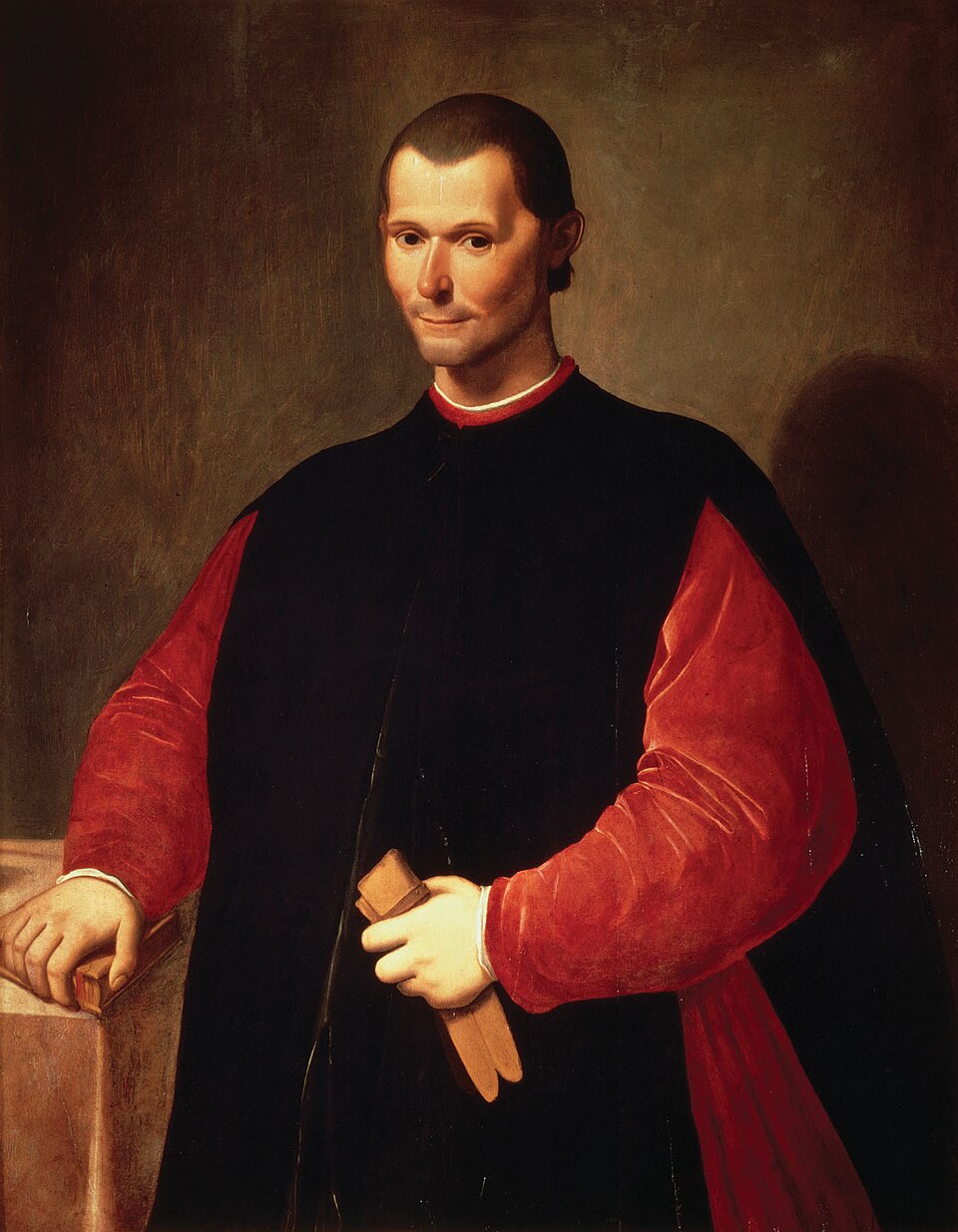
A state that sends soldiers abroad but cannot secure the rules that govern them has already ceded half the field. Here we see the United Kingdom cancelling a planned army exercise in Kenya because the necessary approvals did not arrive, the whole matter tangled in disputes over jurisdiction, funding, and the memory of human rights abuses. The British ministry speaks of mutual benefit and deep regret. The Kenyan assembly speaks of reservations and discomfort. The effectual truth is simpler: one side wanted training and security cooperation; the other wanted sovereignty, money, and respect. When these appetites met, there was no agreed law to hold them together, so the exercise died before the first shot was fired.
When I wrote in *The Prince* that a ruler must look to the effect and not to the intention, I had such cases in mind. The British say they value the relationship and remain committed to partnership; the Kenyans say they are actively engaging to resolve outstanding issues. These are intentions. The effect is that an exercise involving a full battalion is cancelled, the camp is under renewed scrutiny, and doubts spread about the defence cooperation agreement that is supposed to be the legal backbone of the whole enterprise. A prince – or a republic – maintains its state not by words of esteem but by securing, in advance, the instruments that turn desire into command.
Here the instrument is law. At the heart of the dispute lies the agreement that gives a framework to foreign troops training on Kenyan soil. The quarrel, we are told, concerns who prosecutes which crimes and how much Britain pays for the privilege of desert and sunshine. This is not a detail. To place your soldiers under another people’s jurisdiction without clear limits is to put your army under foreign arms; to evade accountability where abuses are alleged is to invite hatred among that people. As I argued about mercenaries in *The Prince* (in W.K. Marriott’s translation), whoever relies on forces not his own loses both honour and security. Here Britain has managed the worst inversion: it brings its own soldiers, yet cannot rely on its own laws.
Kenya, for its part, behaves exactly as a spirited people should. The chair of its defence committee speaks openly of societal discomfort with human rights abuses; the assembly had reservations about the training unit. This is the people judging, through their representatives, that they will no longer accept arrangements that look like domination disguised as cooperation. In the *Discourses on Livy* (as translated by Ninian Hill Thomson), I praised those republics where the people can voice their suspicions, since tumults, when rightly ordered, preserve liberty. Here the tumult takes parliamentary form, and it has real teeth: the government withholds ratification, the exercise stops, and London must listen.
Notice the dance of appearances. The British ministry stresses mutual benefit, respect, and economic disappointment for those who would have profited from the exercise. It deeply regrets past and recent problems. This is not confession; it is theatre aimed at avoiding hatred. In *The Prince* I said it is safer to be feared than loved, but above all not to be hated, because hatred calls forth conspirators. Britain cannot afford to be feared in Kenya as an oppressor, nor loved as a patron who buys silence. It therefore clings to the language of partnership while lacking the firmness that makes partnership credible. A state that speaks softly because it has mislaid its stick soon finds its words discounted.
Some will say the cancellation shows prudence, a willingness to pause rather than ram through a pact that angers the host country. There is prudence in not marching an army into a legal void. Yet I distrust these middle courses that neither assert nor retreat. The exercise is halted, but the British loudly affirm their commitment to resume training “at the earliest appropriate opportunity.” Kenya blocks the agreement, but everyone insists the security ties must continue. Each waits for the other to yield, while the image spreads of a former master whose soldiers can be sent home by a committee. Fortune favours those who turn necessity into occasione; here, necessity is merely endured.
What would virtù look like in this quarrel? For Britain, it would mean choosing clearly between two paths: either accept stronger Kenyan jurisdiction and higher costs, and then embrace transparency and discipline so abuses are swiftly punished; or insist on protected jurisdiction for its soldiers and be ready to pay, in money and in political capital, for the open assertion of its interests. For Kenya, it is to translate indignation about past abuses into precise rules, enforcement powers, and visible prosecutions, not into generalised suspicion that freezes cooperation. Free peoples must learn this lesson again and again: without clear arms – legal, fiscal, and political – even the justest resentment dissolves into theatre, and theatre does not defend a republic.
Uncertainty_note
From the works cited
- The Prince — The economy of violence and the feared/loved calculus: better feared than loved if one must choose, but never hated — fear rests on the prince's will, love on the fickle will of others.
- The Prince — Arms of one's own versus mercenaries and auxiliaries: power borrowed is power owed, and it will be collected at the worst moment.
- The Prince — Occasione: the new prince needs the matter (a crisis, a vacuum) and the virtù to shape it — opportunity without capacity is a tragedy, capacity without opportunity a biography nobody writes.