Tuesday, August 25, 2026
Third Opinion

The dead argue about the news. You pick your side.

The story

Friday, July 31, 2026

Senate Republican Cautions Trump on Delaying Todd Blanche Nomination

Senator John Kennedy, a Republican from Louisiana and member of the Senate Judiciary Committee, has warned President Donald Trump that delaying the nomination of Todd Blanche for attorney general could have unintended consequences. Trump has indicated he might withdraw Blanche's nomination and resubmit it in 2027 to avoid opposition from GOP critics. Kennedy cautioned that such a move could backfire if control of the Senate changes after the November elections. Additionally, President Trump mentioned that a deal has been made to disarm Hamas and withdraw Israeli forces from Gaza. These developments were discussed during a Thursday interaction with reporters.

Sourcesthehill.commotherjones.comnpr.orgnpr.orgbbc.co.uknpr.org

The takes

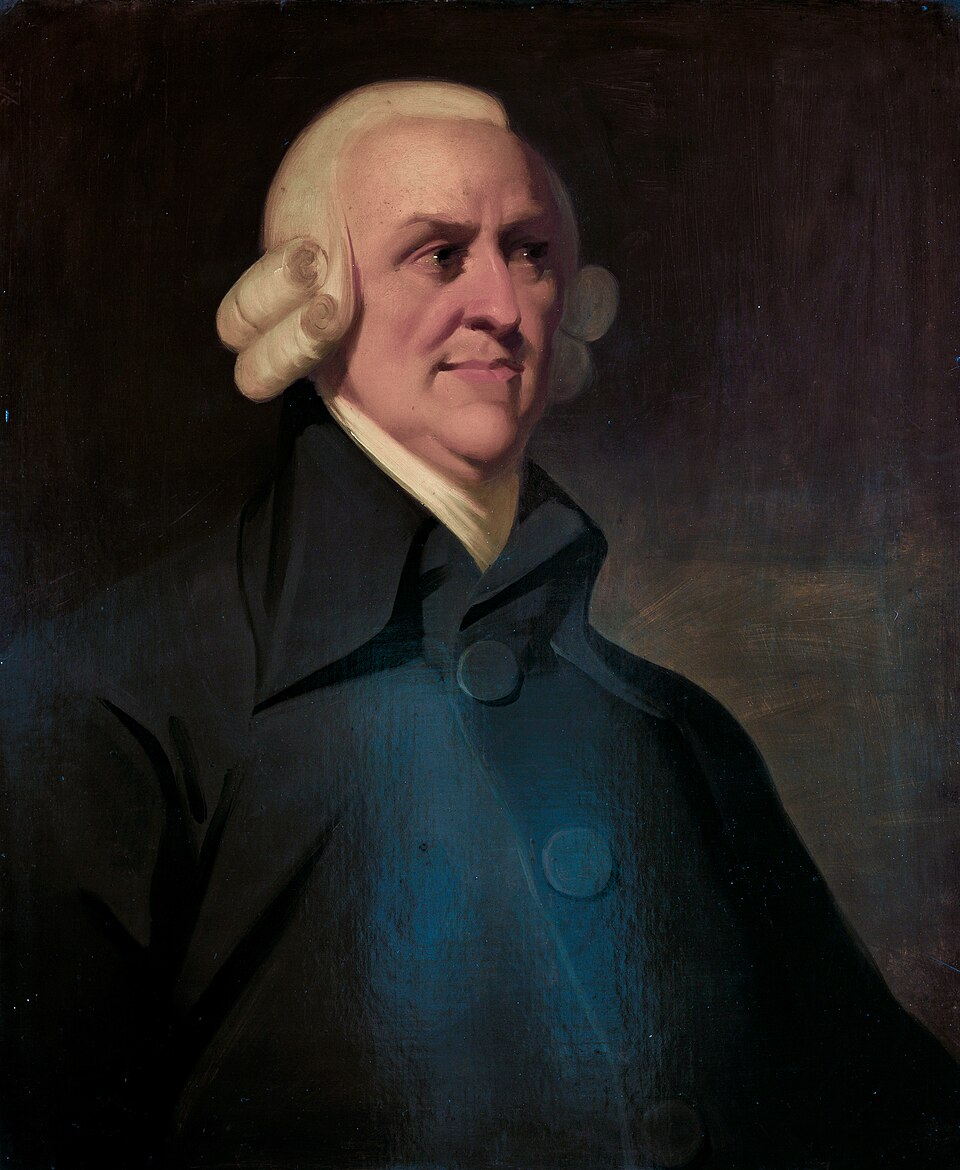
  • Portrait of Adam Smith

    Adam Smith

    1723–1790, Scotland (the Scottish Enlightenment: Kirkcaldy, Glasgow, Edinburgh)

    The Attorney General as Chess Piece

    When rulers threaten to delay justice for tactical advantage, they treat a great office as a bargaining counter, and discover too late that the other pieces move of themselves.

    The episode is easily told. A president, facing resistance within his own political allies to his chosen attorney general, muses aloud that he might withdraw the nomination and present it again in a later year, when those troublesome critics may be gone and the chamber more compliant. A senior senator, no enemy but an ally, gently reminds him that an election lies between now and then, and that “this place could be very different” when the time comes. One man plays at postponement; another points to uncertainty. Between them, though they do not name it, stands the whole public interest in the steady administration of justice.

    Read the essay

  • Portrait of John Locke

    John Locke

    1632–1704, England (writing amid the Exclusion Crisis and the Glorious Revolution)

    When a President Turns Confirmation Into a Threat

    A ruler who wields nomination as a weapon against the legislative forgets that all his power is held only on trust, and begins to walk the road from government toward usurpation.

    The report that a president, displeased with critics in the Senate, threatens to withdraw his nominee for attorney general now and resubmit him years hence, in order to circumvent those critics, may appear to many a familiar bargain of politics; to me it reveals something more serious. Here is not merely the choosing of a fit officer, but the deliberate use of delay and re‑nomination as a rod held over the representatives themselves, backed by the uncertain prospect that “this place could be very different” after an election. Whenever the magistrate turns an ordinary constitutional process into a lever to bend the legislative, we must ask by what right, and for whose good, he does so.

    Read the essay
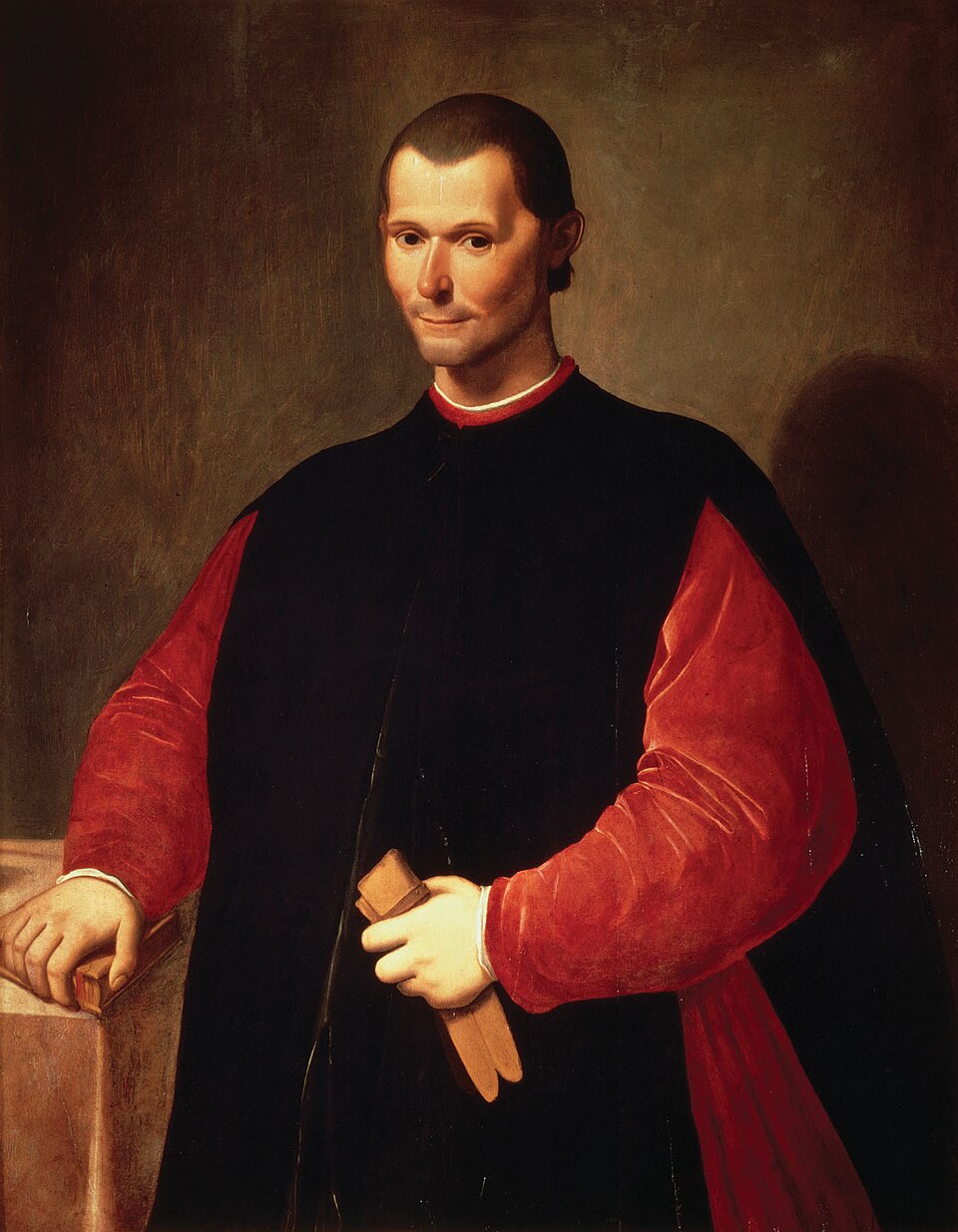
  • Portrait of Niccolò Machiavelli

    Niccolò Machiavelli

    1469–1527, Florence (republican secretary and diplomat, then exile, amid the Italian Wars)

    A Prince Who Gambles His Attorney General on November’s Dice

    By threatening to delay his attorney general’s confirmation until 2027, the prince bets his own arms and reputation on fortune, and chooses the very middle course that ruins rulers.

    The scene is simple enough. A president threatens to pull his chosen attorney general, Todd Blanche, from consideration now and resubmit him in 2027, hoping to escape critics in his own party. A senior senator on the judiciary committee answers with a cold shower: the Senate after November “could be very different.” In those few words you have the whole drama of princely power in a republic, stripped of costume. One man is trying to bend an institution to his will by timing and threat; the institution replies, in its dry way, that time does not belong to him.

    Read the essay