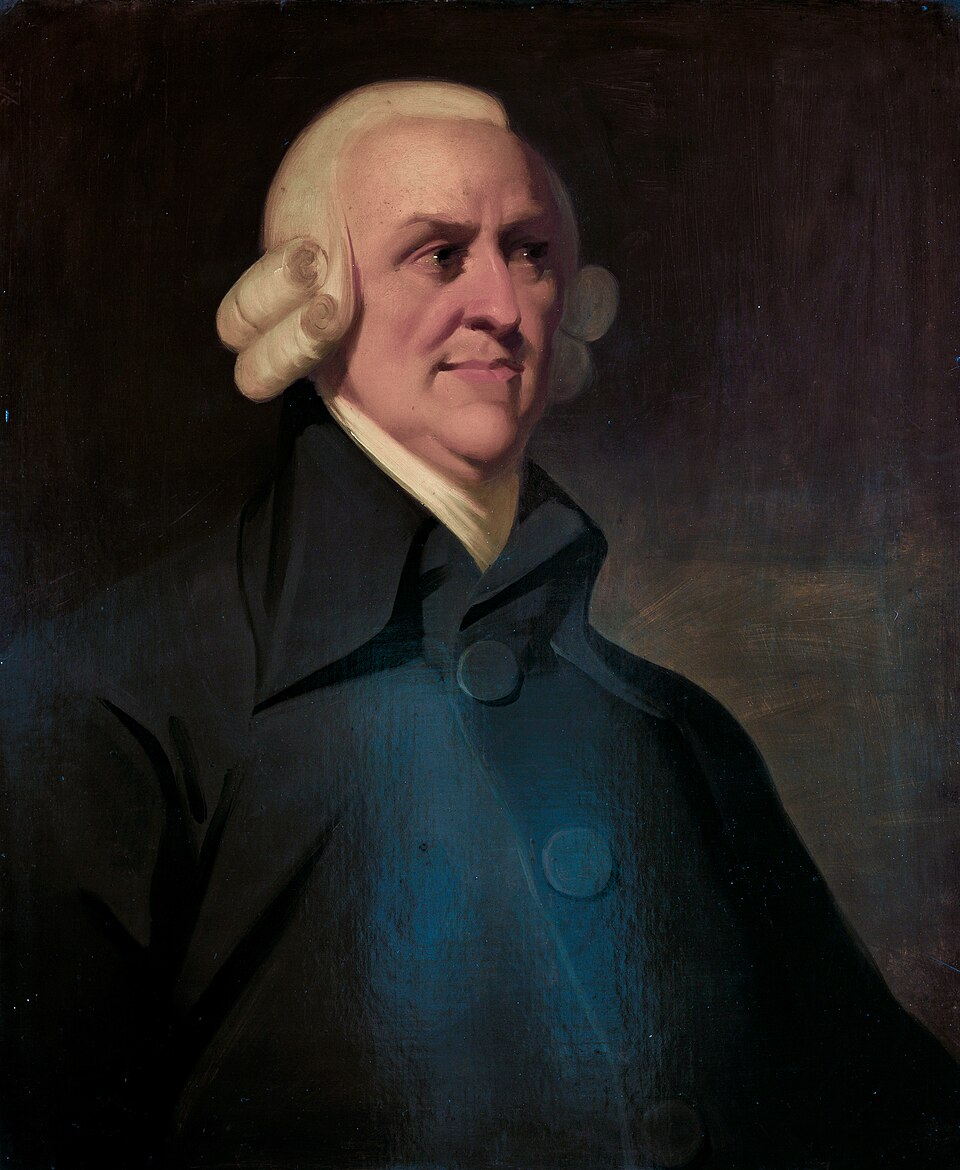
Adam Smith
1723–1790, Scotland (the Scottish Enlightenment: Kirkcaldy, Glasgow, Edinburgh)
Cancelling the Strike Is the First Service a Commercial Republic Owes Itself
When a state "locked and loaded" chooses a rapid bargain over a rapid bombardment, it serves both justice and the natural progress of opulence—if it can master its own love of theatrical terror.
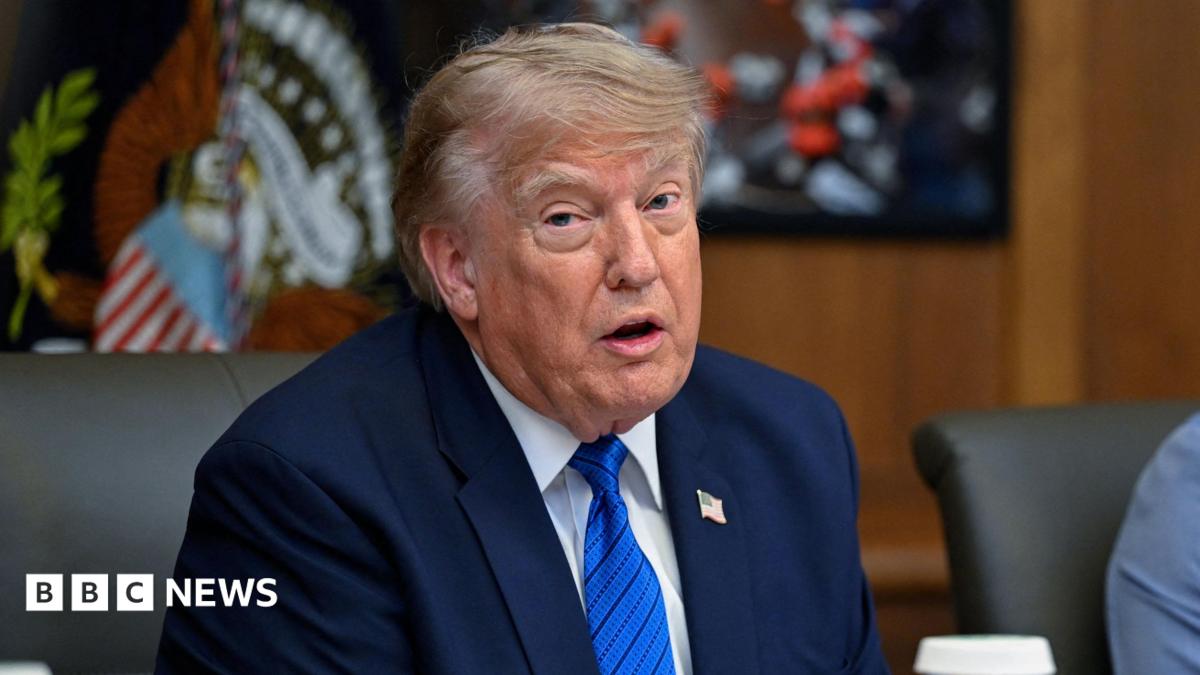
The spectacle is almost too frank. A president announces that his country is “locked and loaded and ready to go” against another; he invokes “Military Terror, Strength, and Power not seen since World War II”; and then, in the same breath, proclaims that he has cancelled the attack, “subject to being able to rapidly make a DEAL.” The adversary’s government, neighbouring states, even a long-time regional antagonist, are all said to have requested this pause. The exchange is conducted, not by secret dispatch, but upon a public stage of “posts,” likes, and outrages. It is war-making as advertisement, and yet, for all its theatricality, the core decision is of the most ancient and serious kind: to strike, or to hold the hand.
Read the essay