Trump Announces Cancellation of Iran Strikes Pending Rapid Deal
A President “Locked and Loaded” Is Not Law
Cancelling a strike on Iran in favor of a rapid deal may be a decent use of prerogative—but only if law, not a solitary will, finally governs the trigger.
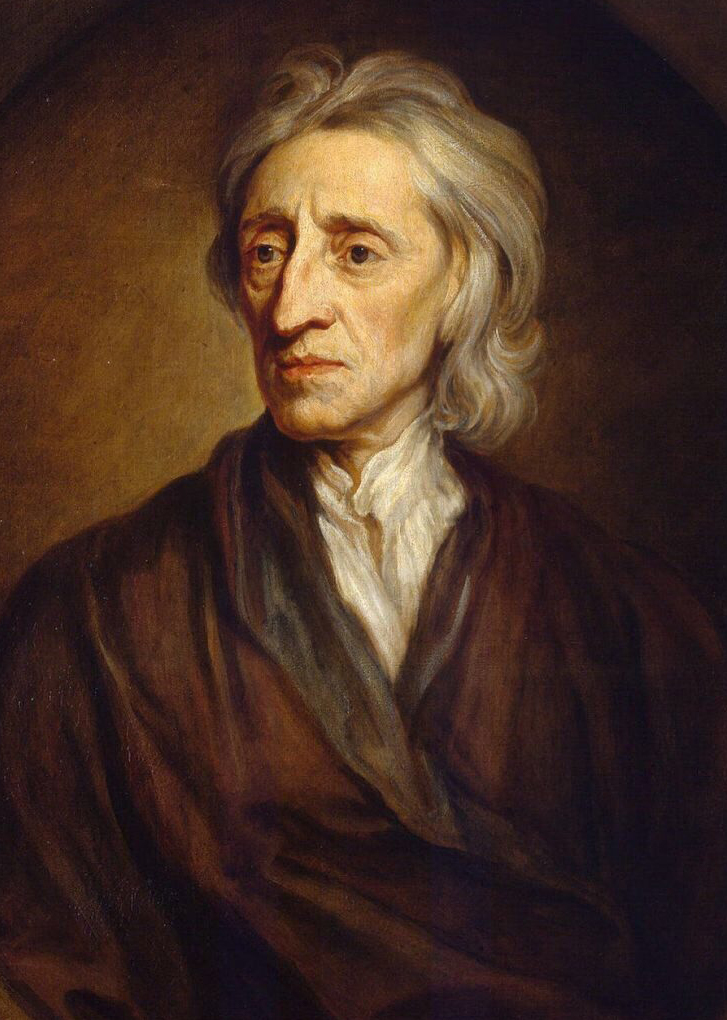
When I read that the president of the United States declared his forces “locked and loaded and ready to go” against Iran, and then, on the request of Tehran and other states, announced on social media that he had “cancel[led] the attack, subject to being able to rapidly make a DEAL,” I felt less surprise at the threat than at the manner of its publication. That war and peace, life and death for multitudes, should hang first upon such a readiness and then upon such a post, is an image of power that demands to be tried, not by passion or party, but by first principles.
When I sought, in my Second Treatise of Government, to understand political power aright, I defined it as a right of making laws with penalties of death and lesser penalties only for the public good. This power is held on trust from free and equal men, the workmanship of one Maker, sent into the world about His business, that they might preserve their lives, liberties, and estates. The law of nature—reason—binds rulers as well as subjects: no one ought to harm another in his life, health, liberty, or possessions without right. A public sword that forgets this is not law, but force.
Measured by that rule, the choice to delay a strike on Iran, when urged by Iran itself and other neighbouring countries, appears, at first sight, a fit instance of what I called prerogative: the power of acting for the public good without a prior law, and sometimes even against the letter of one, when the strict observation of the rule would risk ruin. If an attack, once “locked and loaded,” promised vast destruction, and a pause made room for a peaceable agreement—opening the Strait, ending a nuclear danger—reason and the law of nature both commend the pause. Sparing blood, where it may be spared, is no small public good.
Yet prerogative is a dangerous medicine. It is given to the executive because no legislature can foresee every sudden emergency; but it is given only to be exercised under a constant eye, and only so long as it is manifestly for the people’s benefit. Here we are told only this: that a solitary magistrate was ready to unleash “Military Terror” of an extraordinary kind, and then, upon requests and the outline of a deal, held his hand. We are not told what standing law authorized the first readiness, what role the legislative played, or whether any impartial judge could review these determinations. All hangs upon one will, reported by that will.
In such a case, the good done today—the lives not presently lost—must not blind us to the form of power that accomplishes it. For if the same hand that can, by an unreviewed decision, nearly hurl a nation into war can, by the same unreviewed decision, draw it back, then the people’s safety depends less on law than upon the temper and calculations of one man. That is to make him, in effect, judge in his own case, not merely of his own rights, but of the rights and preservation of millions. A people may be grateful for the restraint; they must be alarmed at the structure.
Some will say that in matters of war, especially when missiles and machines act in moments, there is no time to consult the legislative or to publish reasons; that secrecy and speed are themselves part of the public good. I grant, as I always did, that executives must often act swiftly and sometimes in silence. But this necessity imposes a stricter, not looser, duty on a free commonwealth: to frame in calm times clear standing rules about when force may be used, to bind the magistrate by law beforehand, and to subject his actions afterward to open examination. Sudden execution of known law is one thing; a sudden will making its own law is another.
From the few reports before us, I do not discern a “long train of abuses” tending steadily to enslave this people, such as would justify dissolving their government or appealing, as I once put it, to heaven. I discern instead a familiar modern pattern: enormous instruments of destruction placed under the hand of one person, defended by the plea of necessity, and occasionally restrained by that person’s own choice. That the latest choice was, on balance, for peace rather than slaughter is a mercy. That such mercies must be begged from a single will, rather than secured by settled law and shared consent, is a warning no prudent people should neglect.
From the works cited
- Second Treatise of Government — Prerogative as revocable emergency discretion — legitimate exactly as long as the public visibly benefits and no longer.
- Second Treatise of Government — Political power defined narrowly as the right to make laws, with penalties, only for the public good — anything beyond that definition must justify itself or stand condemned.