Trump Announces Cancellation of Iran Strikes Pending Rapid Deal
A President ‘Locked and Loaded’ Who Holsters His Gun
Announcing a cancelled strike on Iran in the name of a rapid deal is the fox and the lion in one gesture — but it will prove prudence only if the pause is armed with real power, not mere words.
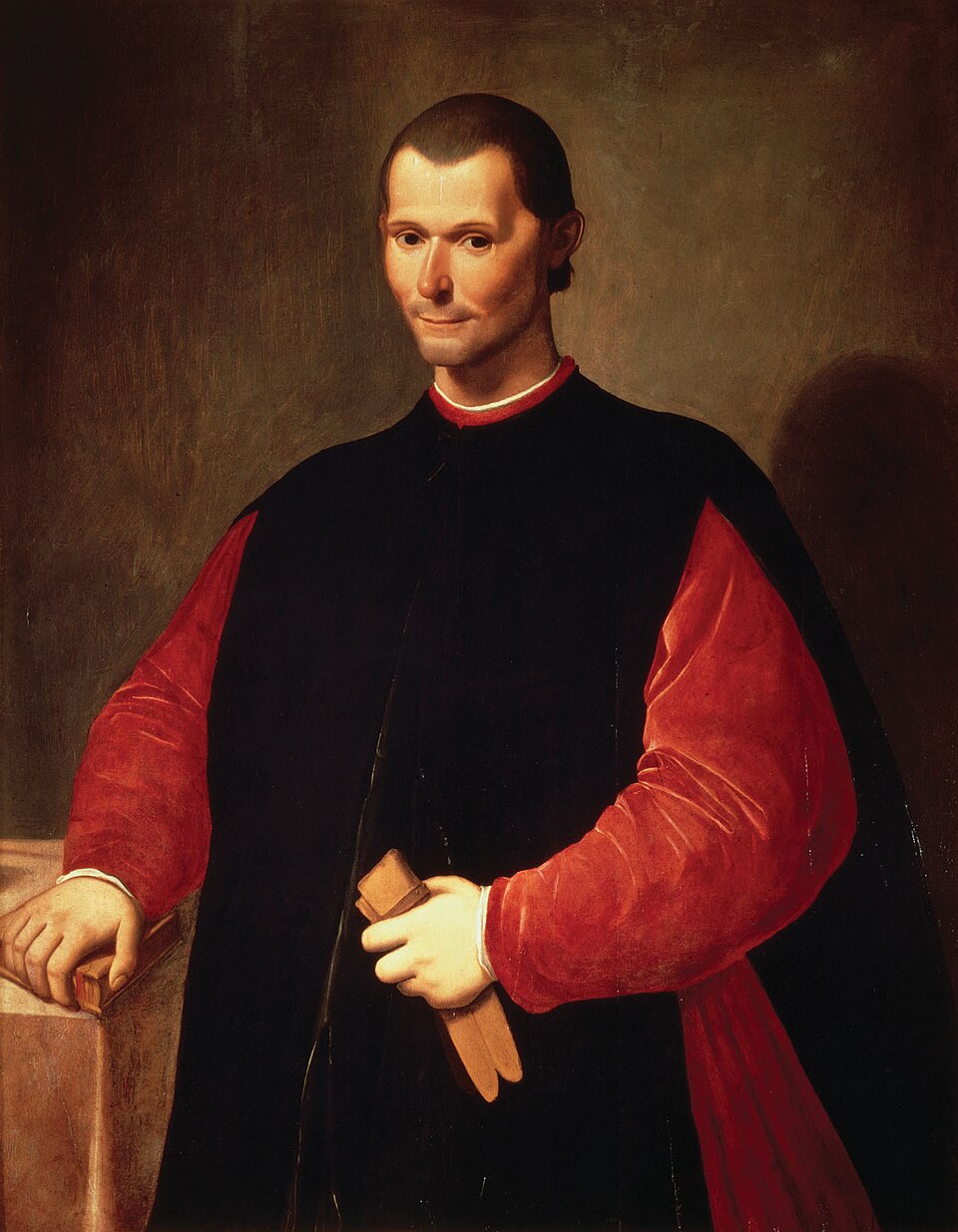
A leader who boasts that he is “locked and loaded and ready to go” and, in the next breath, announces that he has cancelled the attack is not speaking only to enemies. He is talking to his own people and to his allies, who must go on believing that he is able and willing to defend the state. The effectual truth here is simple: the president signalled readiness to unleash “Military Terror, Strength, and Power not seen since World War II,” then halted on the basis of requests from Tehran and “other countries in the Middle East,” with Israel named as part of the commitment. The trigger was shown, then carefully not pulled.
This is the classic moment where some cry inconsistency. They would be wrong. Every prince, and every republic when it acts as a prince, has as its first obligation to maintain the state. Sometimes this requires steel; sometimes restraint. According to the reports, the president links his restraint to a possible agreement: reopening the Strait of Hormuz and ending Iran’s nuclear threat, and he insists this must be done rapidly. In The Prince I wrote, through W. K. Marriott’s translation, that fortune rules half our actions and leaves us the rest. Here, fortune is the crisis; virtù lies in exploiting the sudden wish for dialogue.
But virtù is not the same as improvisation. A flood recedes; the river will rise again. When I compared fortune to a river, I did not counsel praying to it, but building dykes in fair weather. The question, therefore, is not whether avoiding immediate war is pleasant — war is always unpleasant for prudent rulers — but what dykes this pause constructs. A deal about Hormuz and nuclear arms is not a phrase; it is ships, inspectors, sanctions, guarantees, and the willingness of allies like Israel and Arab states to enforce what is signed when tempers cool and profits beckon. Words without instruments are dykes drawn in the sand.
The president clearly understands the value of appearance. He makes the whole drama public on social media: locked and loaded, begged to hold off, deal nearly in hand. Most men, I observed, judge more by the eye than by the hand, and the modern prince knows that the theatre of decision counts. He seeks to appear at once terrible and merciful, to deter adversaries while soothing a public that, we are told, mostly disapproves of the war. This is the fox at work: shifting the narrative from threatened annihilation — “a whole civilisation will die tonight,” he had warned — to magnanimous restraint in response to entreaties.
Yet the lion cannot be entirely theatrical. Fear must rest, as I argued, on “a dread of punishment which never fails” (again, in Marriott’s English), not on speeches about punishment. By cancelling strikes “subject to being able to rapidly make a DEAL,” the ruler gambles that enemies will fear what he was prepared to do more than they will draw courage from what he refrained from doing. If Tehran and its neighbours conclude that his bark is worse than his bite, then the calculation flips: what was meant as mercy appears as hesitation, and hesitation invites testing. The most dangerous reputation is not cruelty; it is softness.
Still, the remedy is not automatic bombing. In my time I saw princes who believed that doing something violent was always better than seeming weak; they died quickly and left their peoples exhausted. Violence, to be useful, must be rare, decisive, and tied to a clear political end. Here, the end is proclaimed: a reopened strait and an end to a nuclear threat. The pause could be wise if it forges a coalition that can actually enforce this end: naval patrols, economic levers, shared red lines between rivals like Iran and its regional adversaries. But if the “perimeters” of the deal remain vague and unenforced, the pause is not prudence; it is drift.
This brings me back to arms. When I distinguished between a ruler’s own arms and those of mercenaries and auxiliaries, I meant that power borrowed will be collected at the worst moment. In this case, arms are not only missiles but alliances, domestic consent, and credibility with both the great and the people. The president leans heavily on regional appeals to “hold off,” on a crown prince’s desire to “prioritize dialogue,” on Israel’s unnamed role. These are auxiliaries. Useful, yes, but only if the United States retains forces, plans, and political will of its own should the deal fail. Otherwise the middle course — neither striking nor clearly stepping back — becomes that fatal path which satisfies no one and emboldens all.
As in every age, the decisive question is whether the ruler can turn an occasion into an order. Cancelling strikes in view of a rapid agreement may yet be remembered as an act of high prudence if it yields enforceable terms and a shared structure of power in the Gulf. It will be remembered as fecklessness if the straits close again, the nuclear danger returns, and each new crisis must be advertised as the greatest show of force “since World War II” to be taken seriously. History is merciless to those who live on announcements. It rewards those who, after the fanfare, quietly build the dykes.
From the works cited
- The Prince — Virtù versus fortuna — the raging-river figure: preparation in fair weather is the whole difference between the drowned and the dry.
- The Prince — The economy of violence and the feared/loved calculus: better feared than loved if one must choose, but never hated — fear rests on the prince's will, love on the fickle will of others.
- The Prince — Arms of one's own versus mercenaries and auxiliaries: power borrowed is power owed, and it will be collected at the worst moment.