Tuesday, August 25, 2026
Third Opinion

The dead argue about the news. You pick your side.

The story

Tuesday, August 18, 2026

US-South Korea Military Exercises Proceed Amid Disagreements Over Iran and War Games

US-South Korea Military Exercises Proceed Amid Disagreements Over Iran and War Games
Photo: Mother Jones

Military exercises between the United States and South Korea began as scheduled on Monday despite President Trump's calls to scale them back. President Trump described the war games as unnecessarily provocative and a challenge to North Korean leader Kim Jong Un. He also stated that he recently asked South Korean President Lee Jae Myung if South Korea would join the US in efforts to denuclearize Iran, to which Lee responded negatively. South Korea's Defense Ministry confirmed the exercises started as planned, and President Lee said the two governments have maintained close coordination on joint training and intend to continue doing so.

Sourcespbs.orgmotherjones.commotherjones.compbs.org

The takes

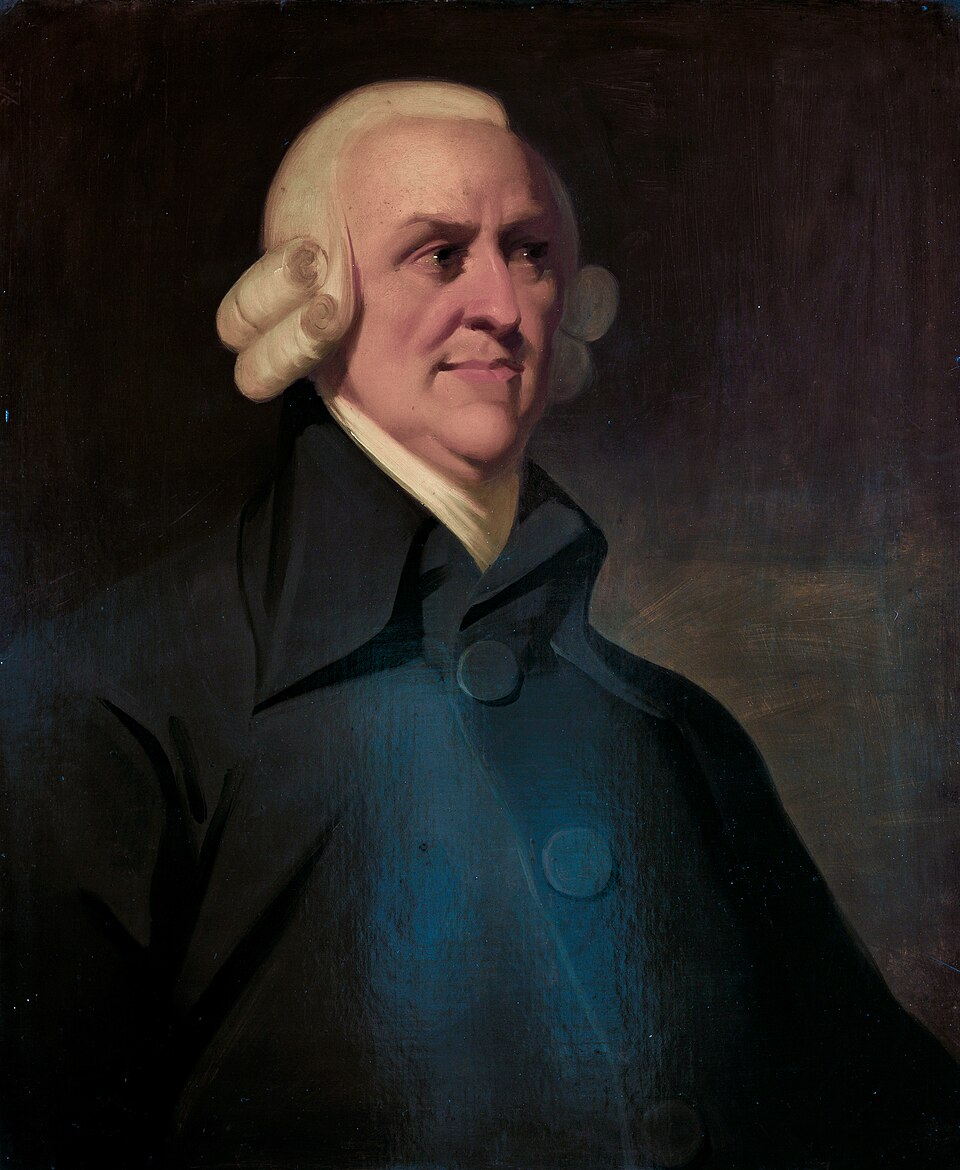
  • Portrait of Adam Smith

    Adam Smith

    1723–1790, Scotland (the Scottish Enlightenment: Kirkcaldy, Glasgow, Edinburgh)

    Bombast, War Games, and the Price Paid by the Quiet Many

    When leaders turn alliances into stages for bravado and threats, the real losers are not the proud statesmen but the labouring poor whose peace and markets they disturb.

    The scene, as it is reported to me, is oddly theatrical. Joint military exercises between the American and South Korean forces proceed as scheduled, after the president of the former has publicly demanded that they be scaled back. He denounces these “war games” as unnecessarily provocative, a challenge to the North Korean ruler, even while his own administration has lately praised South Korea. In the same breath, he recounts with evident pique that when he asked the South Korean president to join him in the “denuclearization” of distant Iran, he was met with a polite “No thanks.” What presents itself as high principle looks, on closer inspection, very much like offended vanity.

    Read the essay

  • Portrait of John Locke

    John Locke

    1632–1704, England (writing amid the Exclusion Crisis and the Glorious Revolution)

    Coercing Allies Is Not Governance but Usurpation

    When a ruler demands warlike help from free nations and couples the demand with threats, he ceases to act as a magistrate and begins to play the tyrant—and refusal becomes a duty, not an affront.

    A president of a great republic tells the world that he asked the president of South Korea to join him in what he calls the “Denuclearization of the Islamic Republic of Iran,” and received the answer, “No thanks.” In the same season he complains that joint military exercises with South Korea are “unnecessarily provocative” to a neighbouring ruler, and demands that these exercises be scaled back. Yet South Korea’s defense ministry calmly announces that the exercises have begun as planned, and its president speaks of “maintained close coordination” and a resolve to continue it. I meet here, in compact form, the whole question of political power: who may command, upon what grounds, and how far.

    Read the essay
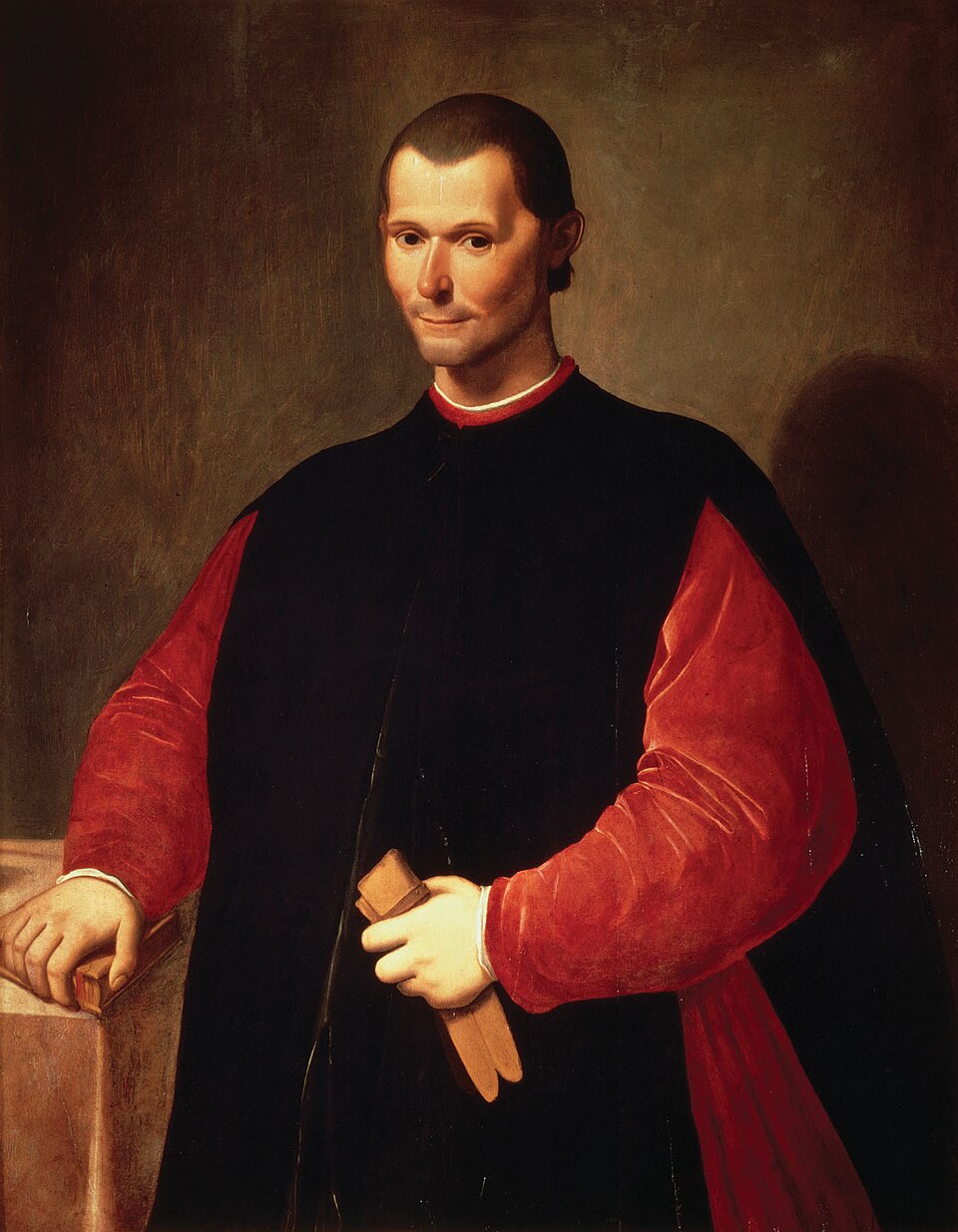
  • Portrait of Niccolò Machiavelli

    Niccolò Machiavelli

    1469–1527, Florence (republican secretary and diplomat, then exile, amid the Italian Wars)

    A Prince Who Burns His Own Alliances Fights Unarmed

    By publicly scolding South Korea over Iran while failing to bend its will, the American president spends reputation, weakens arms, and shows how not to manage a coalition war.

    The scene is simple, which is why it is instructive. The American president asks the president of South Korea to "give us a little hand" in what he calls the denuclearization of Iran. The answer is “No thanks.” At the same time, this American demands that joint military exercises on the Korean peninsula be scaled back. South Korea’s Defense Ministry replies in deeds, not words: the exercises begin Monday as planned. Then comes the lash: the president tells his people the war games are unnecessarily provocative, a challenge to Kim Jong Un, though his own administration has only recently praised South Korea. So in one episode we have the request, the refusal, the demand, the defiance, and the public rebuke.

    Read the essay