US-South Korea Military Exercises Proceed Amid Disagreements Over Iran and War Games
Bombast, War Games, and the Price Paid by the Quiet Many
When leaders turn alliances into stages for bravado and threats, the real losers are not the proud statesmen but the labouring poor whose peace and markets they disturb.
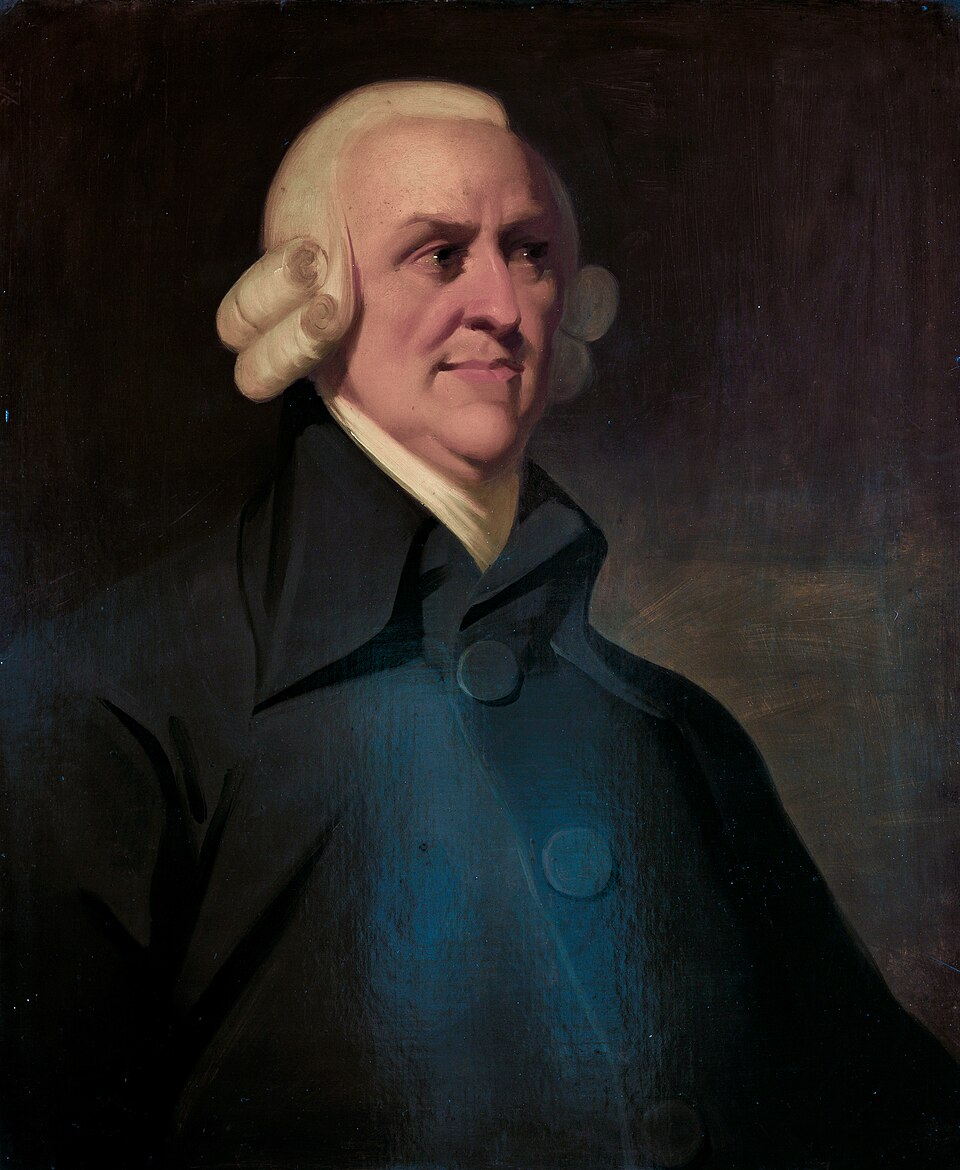
The scene, as it is reported to me, is oddly theatrical. Joint military exercises between the American and South Korean forces proceed as scheduled, after the president of the former has publicly demanded that they be scaled back. He denounces these “war games” as unnecessarily provocative, a challenge to the North Korean ruler, even while his own administration has lately praised South Korea. In the same breath, he recounts with evident pique that when he asked the South Korean president to join him in the “denuclearization” of distant Iran, he was met with a polite “No thanks.” What presents itself as high principle looks, on closer inspection, very much like offended vanity.
When I wrote of the “annual produce of the land and labour” as the true wealth of nations, I meant to direct attention away from showy but sterile exertions toward those quiet arrangements by which multitudes live. Military exercises may form a necessary part of defence; they may also serve as costly theatre. Their visible beneficiaries are a few generals and politicians who appear resolute before domestic spectators. The invisible payers are traders hesitating to ship, workmen whose factories rely on steady commerce, and consumers whose prices rise whenever risk of conflict disturbs the great caravan of trade. In such matters, prudence consists in counting not the salutes but the shillings.
The same president who calls the exercises provocative speaks, with equal ease, of “bombing the shit” out of another small state should it obstruct his designs with Iran, though that state is described as a mediator and as close to restoring commercial shipping through a strait that formerly carried a fifth of the world’s crude oil. Here the connection between words and wages is painfully direct. To threaten a mediator is to threaten the very channel by which oil flows; to threaten the channel is to menace every labourer whose real income depends on the cheap carriage of fuel. The outburst may be momentary; its echo in freight rates and insurance premia may endure far longer.
In the Wealth of Nations I argued that the division of labour is limited by the extent of the market, and that whatever enlarges that market—good roads, open ports, the safety of trade—enriches the whole. Restoration of shipping through a vital strait plainly widens the market; talk of bombing those who arrange it plainly narrows it. Likewise, stable peace on the Korean peninsula extends the theatre within which men can specialise, contract, and improve; exercises perceived as needlessly provocative, or quarrelsome demands upon allies regarding an entirely different conflict, risk the opposite. The loss will not fall on princes but on seamstresses, mechanics, and clerks, whose employments depend on a world not perpetually on the brink.
In my Theory of Moral Sentiments I proposed the impartial spectator—an imagined, well-informed observer—by whose eyes we might correct our own partiality. Let us submit this conduct to that tribunal. A leader, having pressed another sovereign to support military action against Iran, repeats in public the rebuff, “No thanks,” and lashes out when his wishes are refused; he denounces joint exercises as provocative only after his own demand to alter them is disregarded. The impartial spectator will distinguish between concern for peace and irritation at disobedience. Praise-worthiness requires not merely that we say peaceable words, but that we bear contradiction with self-command, especially where others must continue to share dangers on their own frontier.
Nor ought we to treat South Korea’s refusal to join a distant war as a moral defect. Men and nations alike are guided less by exhortation than by the incentives before them. This country maintains “close coordination” on joint training which concerns its immediate security, and declines adventures in Iran where the costs are real and the benefits speculative. To demand that it sacrifice its own evident interest, in order to adorn another’s project, is to call for an unusual heroism which no prudent statesman has a right to presume. The man of system will always be enraged when the pieces on his chess-board move according to their own principles; the wiser magistrate expects such motion, and bargains with it.
None of this is to deny that states have duties of defence, and that some exercises may be truly necessary to deter genuine threats. It is rather to insist that, where the line between preparation and provocation is fine, those who command other people’s money and other people’s blood owe unusual sobriety of language and patience with allies. To dress wounded pride as strategic wisdom, to menace mediators while professing love of peace, to disregard the price system’s quiet warnings in freight, insurance, and wages, is to practise the old, vile maxim of the masters of mankind: all for ourselves, and nothing for other people. An impartial world will recognise such conduct for what it is, long after the applause has faded.
From the works cited
- An Inquiry into the Nature and Causes of the Wealth of Nations — The division of labour as limited by the extent of the market and the critique of mercantilism emphasizing that policies rigged by producers sacrifice consumers.
- The Theory of Moral Sentiments — The impartial spectator as the standard for judging conduct and the deception of ambition driving industry but often failing to deliver contentment.