Tuesday, August 25, 2026
Third Opinion

The dead argue about the news. You pick your side.

The story

Friday, August 21, 2026

US Launches Economic Campaign Against Iran Following JCPOA Withdrawal

US Launches Economic Campaign Against Iran Following JCPOA Withdrawal
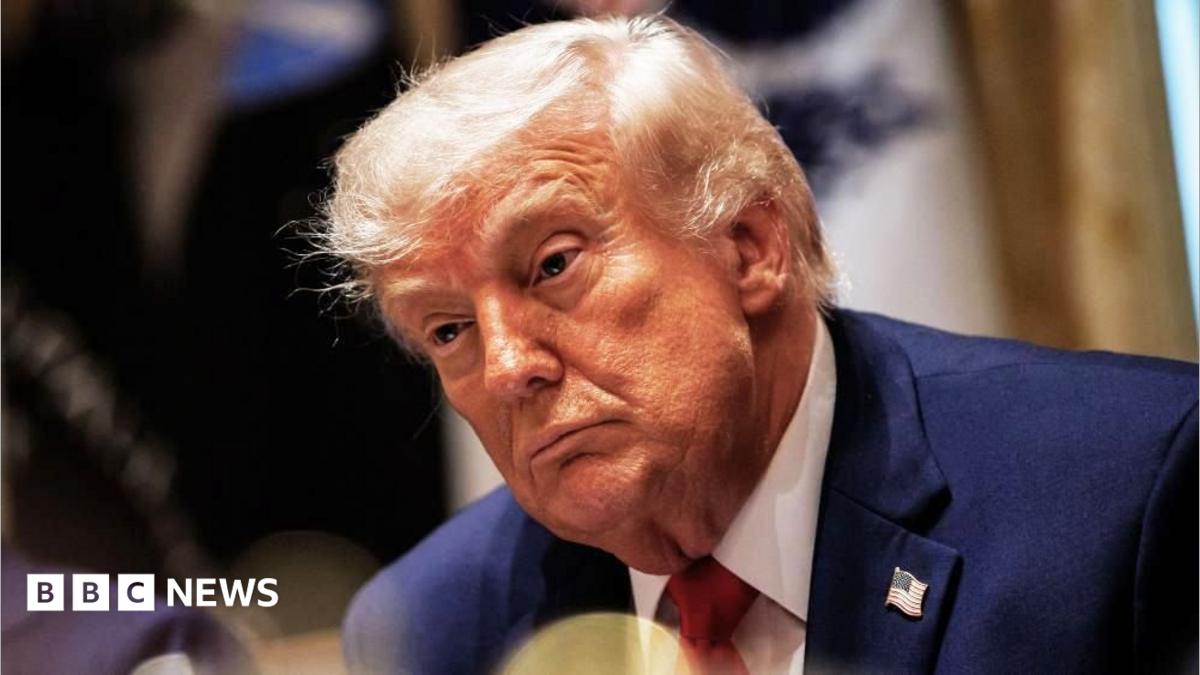
Photo: BBC World

The US government has initiated Operation Economic Fury, a two-pronged economic campaign targeting Iran. This campaign combines US Treasury-coordinated sanctions aimed at restricting regime financial flows with a naval blockade of Iranian ports. The intensified economic pressure follows the Trump administration's withdrawal from the Joint Comprehensive Plan of Action (JCPOA), a 2015 agreement between world powers and Iran designed to limit Iran's nuclear program. President Trump has described the campaign as an "economic D-Day," signaling to Iran a preference to avoid military conflict while applying economic pressure.

Sourcesbbc.co.ukmotherjones.comthehill.comnpr.orgnytimes.comthehill.comnpr.org

The takes

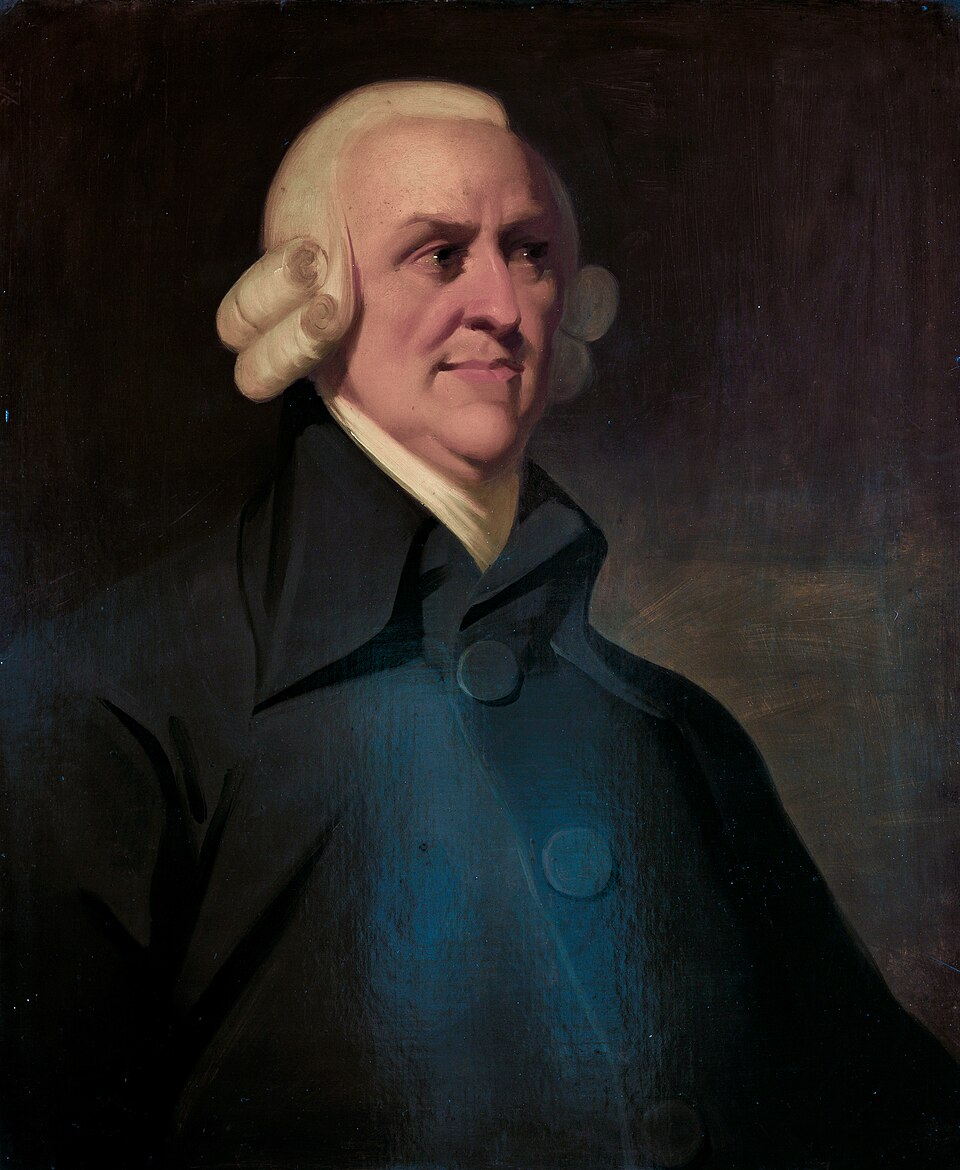
  • Portrait of Adam Smith

    Adam Smith

    1723–1790, Scotland (the Scottish Enlightenment: Kirkcaldy, Glasgow, Edinburgh)

    Economic D-Day and the Great Chess-Board of Human Society

    America’s campaign of sanctions and blockade against Iran dresses itself in the language of peace, but it works by shattering markets, taxing innocents, and flattering the ambitions of the powerful at other people’s expense.

    When a statesman threatens an “economic D-Day” rather than a military one, he invites us to admire his moderation. Cannons are silent, fleets do not yet fire, and we are told that, by closing ports and hunting bank transfers instead of ships, he signals that he does not wish to return to war. Operation Economic Fury, we learn, joins a naval blockade of Iranian ports to a tightening of financial sanctions, all under the banner of avoiding bloodshed. It is a tempting rhetoric; every age prefers to believe that its violence is humane, its coercion enlightened, its wars so economical that they scarcely count as wars at all.

    Read the essay
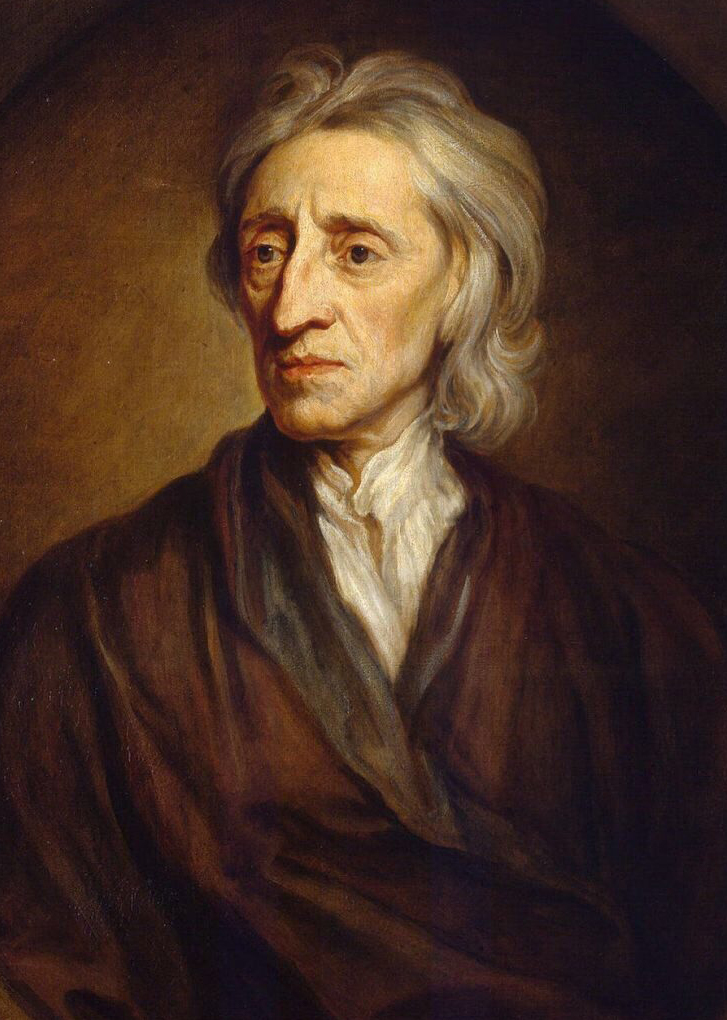
  • Portrait of John Locke

    John Locke

    1632–1704, England (writing amid the Exclusion Crisis and the Glorious Revolution)

    Economic Warfare Is Still Warfare

    A naval blockade and strangling sanctions are not prudence in commerce but an assertion of power over lives, liberties, and estates that demands a justification the United States has not yet supplied.

    When I read that the United States has launched something styled Operation Economic Fury, with sanctions against Iran’s financial flows and a naval blockade of its ports, I do not see a mere quarrel of merchants or a dispute about advantageous bargains. I see, in substance though not in name, an act of war carried on by other means. A power that can close another people’s ports and choke their trade does not only touch their rulers; it lays hands upon every man’s livelihood, upon his access to the fruits of his labour, upon the bread he would bring home to his family. To seize such a power over others’ subsistence is to claim a right to dispose of their property in the broad sense: their lives, liberties, and estates.

    Read the essay
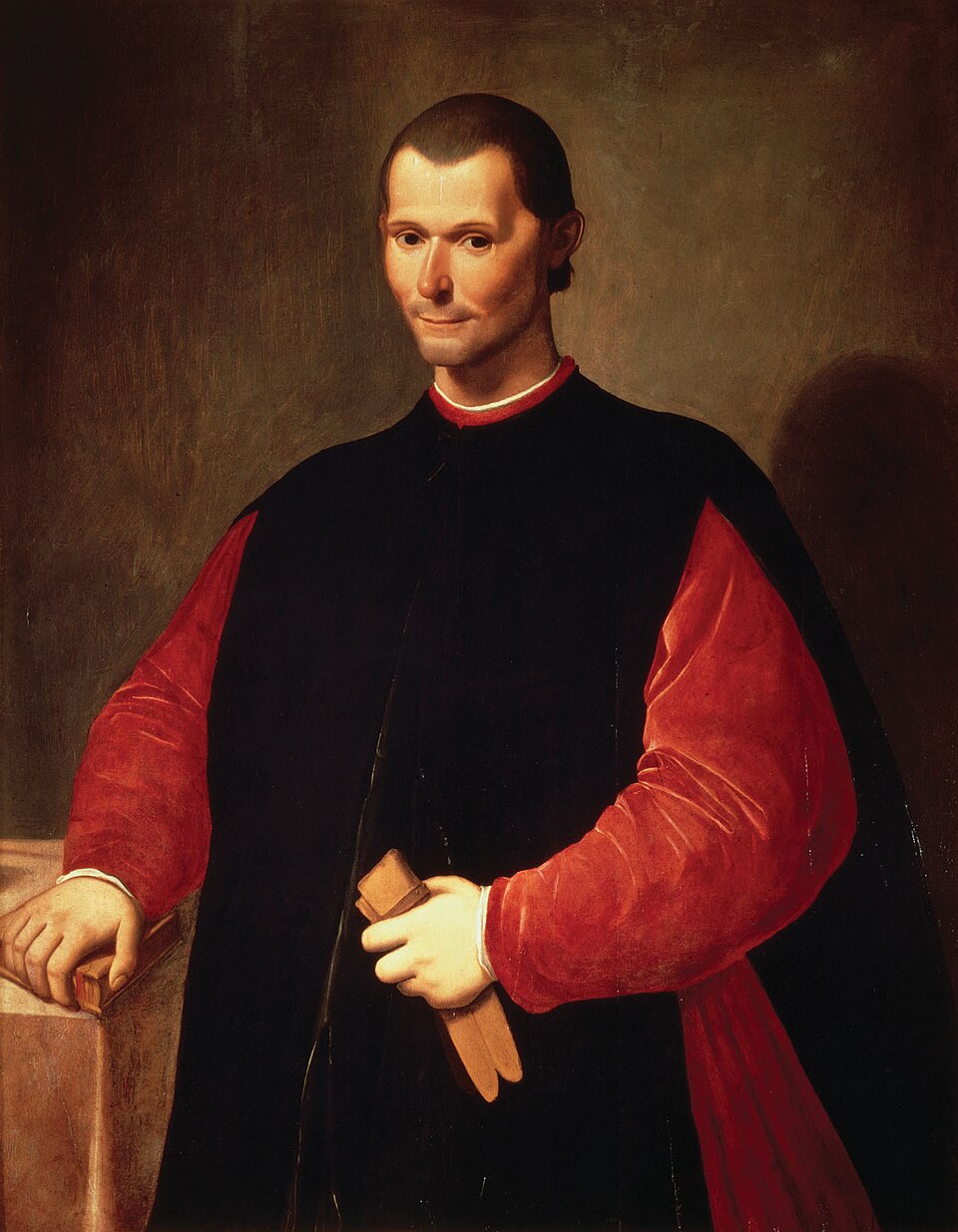
  • Portrait of Niccolò Machiavelli

    Niccolò Machiavelli

    1469–1527, Florence (republican secretary and diplomat, then exile, amid the Italian Wars)

    Economic Fury Is Just War by Other Means

    When a prince wraps his cannon in banknotes and blockades with spreadsheets, he still plays the old game of fear, fortune, and survival — only the shrapnel travels through ports and payment systems instead of flesh.

    Operation Economic Fury tells us at once what is happening and what is denied. The United States combines Treasury‑coordinated sanctions against Iranian regime finances with a naval blockade of Iranian ports. At the same time, its president threatens an “economic D‑Day” while signaling he does not want to “go back to war.” So he wages one already, only with a different arm. In my day, a blockade was an act of war, and to starve a city was harsher than to storm it. Change the name from bread to dollars, from walls to ports, and you keep the substance. The instrument is modern; the logic is antique.

    Read the essay