US Launches Economic Campaign Against Iran Following JCPOA Withdrawal
Economic Fury Is Just War by Other Means
When a prince wraps his cannon in banknotes and blockades with spreadsheets, he still plays the old game of fear, fortune, and survival — only the shrapnel travels through ports and payment systems instead of flesh.
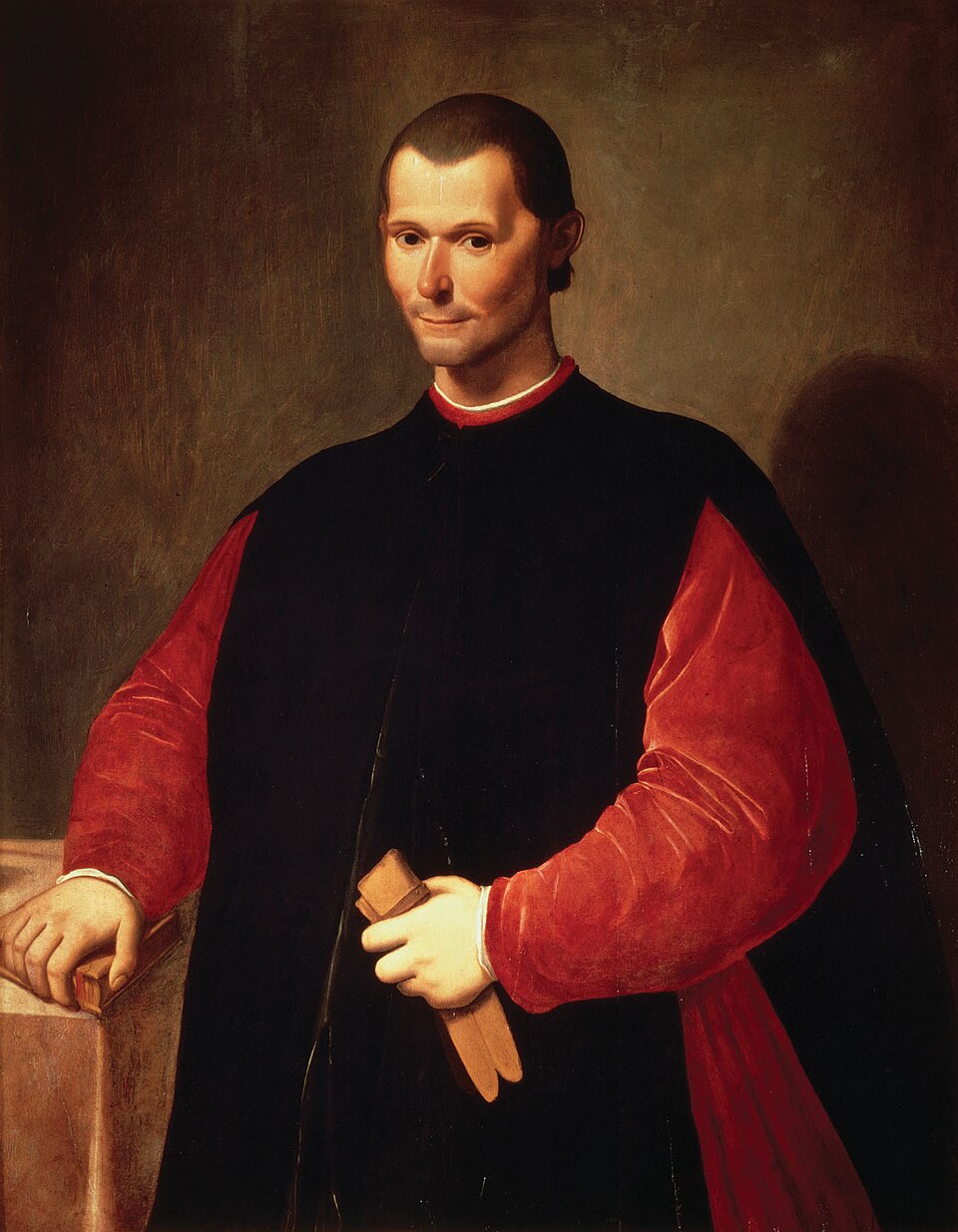
Operation Economic Fury tells us at once what is happening and what is denied. The United States combines Treasury‑coordinated sanctions against Iranian regime finances with a naval blockade of Iranian ports. At the same time, its president threatens an “economic D‑Day” while signaling he does not want to “go back to war.” So he wages one already, only with a different arm. In my day, a blockade was an act of war, and to starve a city was harsher than to storm it. Change the name from bread to dollars, from walls to ports, and you keep the substance. The instrument is modern; the logic is antique.
When I wrote *The Prince*, I argued that a ruler’s first duty is to maintain the state, and that he will be judged by the effect, not the sermon. Here the effectual truth is clear: the United States seeks to weaken Iran’s regime financially and militarily while avoiding the costs and uncertainties of open battle. This is prudence as I understand it. A prince who can harm an adversary’s forces, revenues, and alliances without bleeding his own soldiers usually does well, provided he does not mistake a temporary advantage of fortune for a permanent conquest of power.
You tell me the economic pressure intensified after withdrawal from a nuclear pact and has now become a two‑pronged campaign: sanctions at the purse, blockade at the harbor. This is a decisive break from previous orders, not the timid continuity beloved of courtiers. In my river image in *The Prince* (in Marriott’s translation), I wrote that fortune floods where no dykes have been raised. Here the dyke is financial architecture and naval power prepared long before this quarrel. To turn them suddenly against one opponent shows virtù in seizing the occasione, if the prince has calculated the counter‑flood he may provoke.
But unarmed prophets fail, and unarmed policies fail with them. Economic sanctions are arms. The Treasury that targets financial flows, the navy that interdicts ports, the reach over third countries dependent on the dollar — these are not sermons; they are soldiers in new dress. As with mercenaries and auxiliaries, however, power you project through others must be watched. If the campaign truly seeks to “expand the economic blast radius” to third countries, the prince leans on their dependence as on hired troops. It works while they fear him more than they resent him. When resentment overtakes fear, today’s auxiliary becomes tomorrow’s rival.
There is also the old reckoning between severity and mercy. Economic war wounds without blood, but it still wounds. The intention, you say, is to apply pressure as “the best way to ultimately achieve the final objective” and avoid returning to open war. If the pain is sharp, short, and clearly tied to specific demands, this can be well‑used severity: the few suffer so the many are spared battle. But a drawn‑out strangling that never reaches decision is the middle course I most despise, for it buys the hatred due to cruelty without the security due to decisiveness.
Appearances are not ornament; they are coin. Talk of an “economic D‑Day” is theater aimed at several audiences at once. To Iran, it says: I will wreck your prosperity rather than your cities; fear my resolve, not my bombs. To his own people, it offers a hero’s image without the coffins of conventional war. To other states, it warns that access to trade routes and the dollar system depends on obedience. In *The Prince* I counselled that it is safer to be feared than loved, if one must choose, but never hated. Economic warfare tempts a prince to cheap fear that slowly curdles into deep hatred.
What I cannot yet see — and what will decide whether this is virtù or vanity — is the endgame. The question, even your own experts admit, “is still unanswered”: what is the United States trying to achieve? A prince who tightens sanctions and blockades without a clear political objective resembles a general who storms walls because his artillery is excellent. Boldness without a design is merely noise. If this Economic Fury rapidly compels terms that increase security without igniting a wider conflagration, it will be praised as a new mode suited to these times; if it drifts, it will be remembered as a siege laid against an entire people with no plan for the morning after. The art is not to trade war for economics, but to use economic war so sparingly and decisively that one needs neither very often.
From the works cited
- The Prince — Arms of one's own versus mercenaries and auxiliaries: power borrowed is power owed, and it will be collected at the worst moment.
- The Prince — Virtù versus fortuna — the raging-river figure: preparation in fair weather is the whole difference between the drowned and the dry.
- The Prince — The economy of violence and the feared/loved calculus: better feared than loved if one must choose, but never hated — fear rests on the prince's will, love on the fickle will of others.