Tuesday, August 25, 2026
Third Opinion

The dead argue about the news. You pick your side.

The story

Sunday, August 23, 2026

US Imposes 50% Tariffs on Canadian Goods After Trade Talks Collapse

US Imposes 50% Tariffs on Canadian Goods After Trade Talks Collapse
Photo: PBS NewsHour

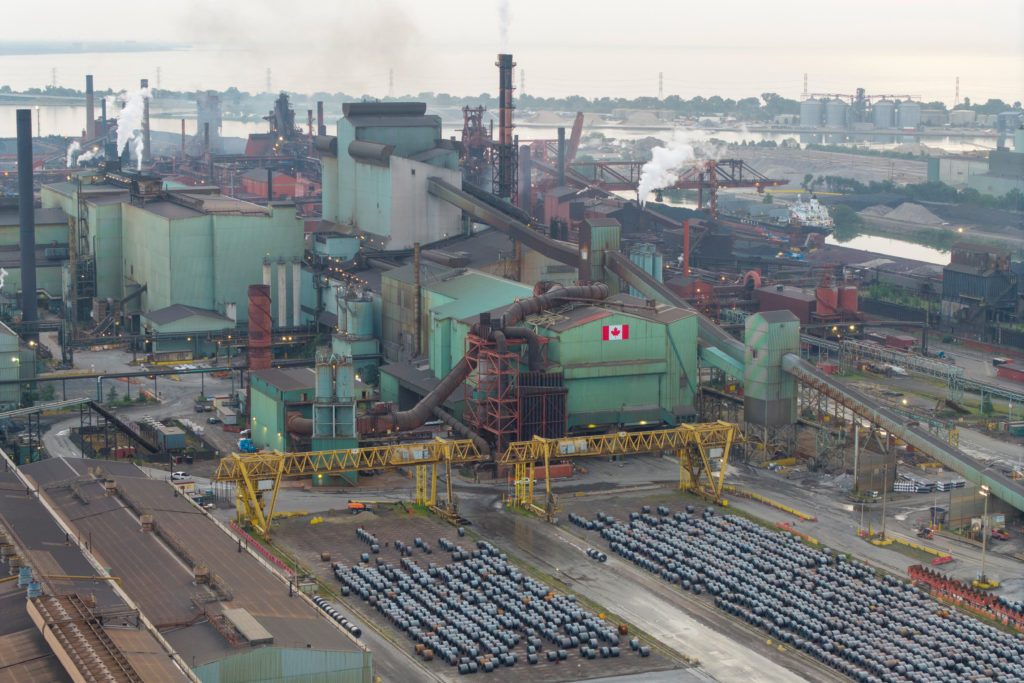
Trade negotiations between the United States and Canada collapsed late Friday, leading the US to impose 50% tariffs on $20 billion worth of Canadian products, including dairy, alcoholic beverages, cement, honey, seeds, makeup, clothing, and more. US President Donald Trump cited Section 338 of the Tariff Act of 1930 to enact the tariffs and stated that American farmers had faced significant tariffs for years. In response, Canadian Prime Minister Mark Carney vowed to match the tariffs "dollar for dollar" starting September 8, targeting US sectors such as steel, dairy, appliances, agricultural equipment, pulp and paper, and electronics. Carney announced the suspension of trade negotiations, citing unmet objectives despite recent progress. Trade experts anticipate potential job losses but expect the primary impact to be political, increasing tensions between the two traditional allies.

Sourcesbbc.co.ukpbs.orgmotherjones.commotherjones.compbs.orgtheguardian.comnpr.orgthehill.comfoxnews.comnytimes.comnytimes.comtheguardian.com

The takes

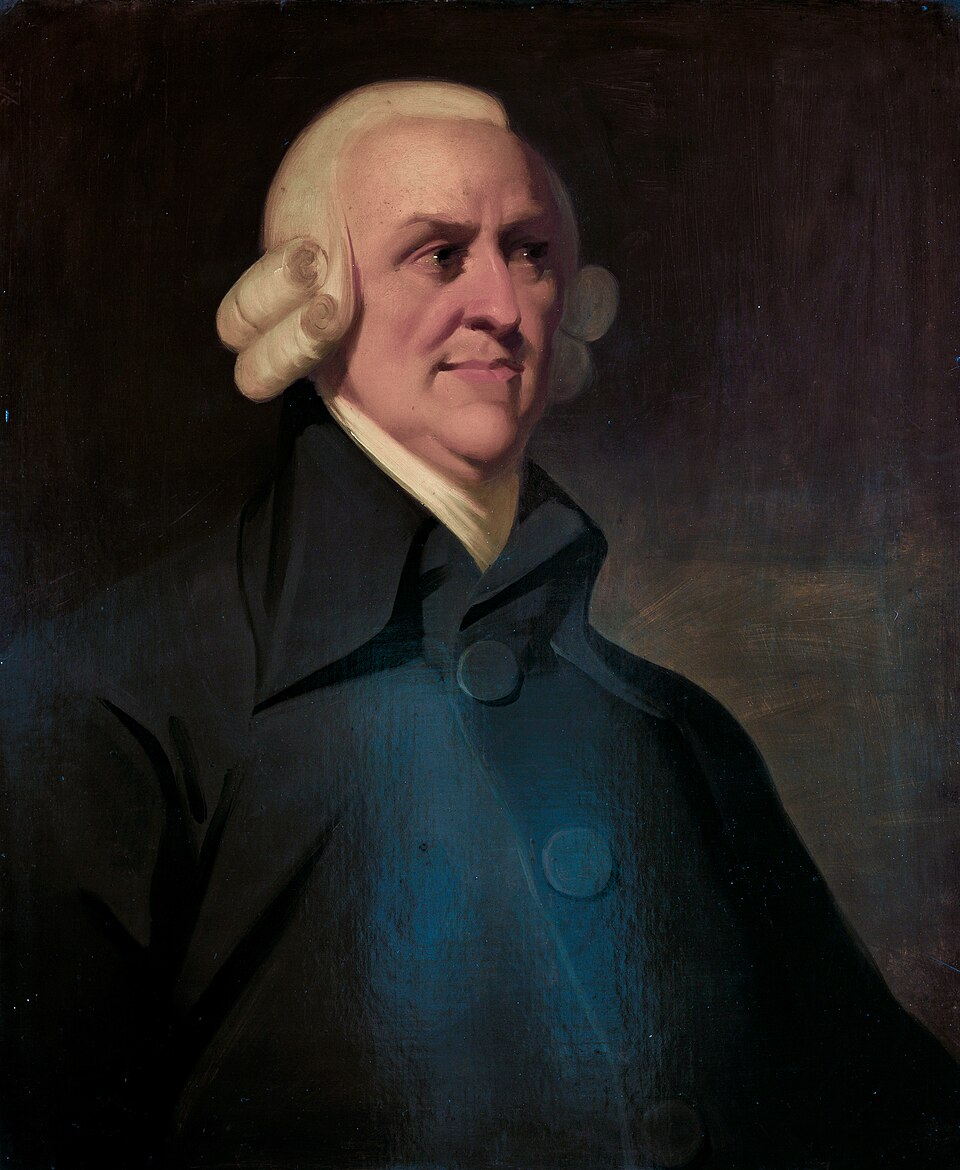
  • Portrait of Adam Smith

    Adam Smith

    1723–1790, Scotland (the Scottish Enlightenment: Kirkcaldy, Glasgow, Edinburgh)

    A Tariff War Among Friends Is Still a War on Their Poor

    Fifty‑percent duties between neighbouring allies punish consumers, shrink the market that enriches them, and reward the loudest interests at the quiet multitude’s expense.

    Let us begin, not with constitutions or flags, but with a tongue depressor. Yesterday it crossed a river between two long‑allied nations as a simple article of commerce; to‑day it is loaded with a fifty‑per‑cent duty. The same fate now attends hockey sticks, cement, honey, perfumes, furniture, cameras, even the little metal ornaments that decorate your shelves. One government has reached back to a law of the great depression to tax roughly twenty billions of its neighbour’s goods; the other has vowed to answer, “dollar for dollar”, on steel, dairy, appliances, agricultural equipment, pulp and paper, and electronics. Statesmen speak of defending workers and restoring balance. The invoice that follows will be sent, in silence, to their consumers.

    Read the essay
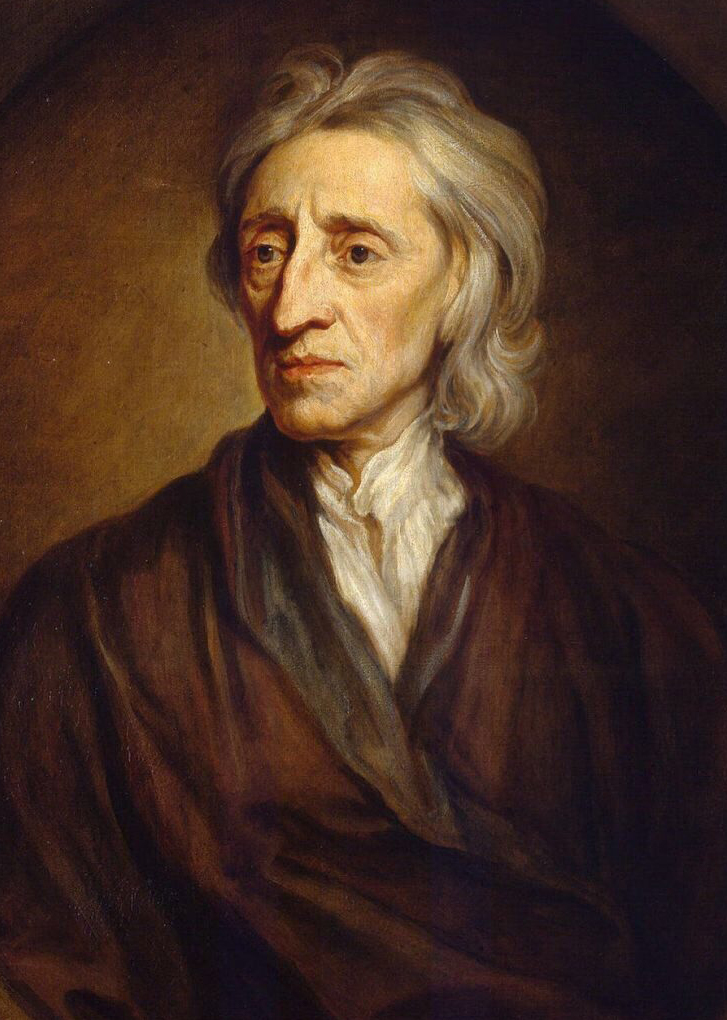
  • Portrait of John Locke

    John Locke

    1632–1704, England (writing amid the Exclusion Crisis and the Glorious Revolution)

    Tariffs Without Consent Are Not Trade but Force

    When one nation reaches back to a dormant law to punish another with 50% duties, speaking of it as a wayward “51st state,” it ceases to trade as an equal and begins to rule without right — and resistance is no breach of peace but a defense of it.

    The present quarrel between the United States and Canada turns, in form, upon tariffs, percentages, and lists of goods: dairy and alcoholic drink, cement and hockey sticks, even honey, seeds, perfumes, clothing, and furniture. The United States president has, by invoking Section 338 of a Tariff Act from 1930, laid a 50% burden upon some $20 billion of Canadian products, and has done so the instant negotiations failed. Canada’s prime minister has answered that these charges will be matched “dollar for dollar,” and has suspended the talks. Trade experts warn of lost jobs and political strain; yet beneath these numbers lies a simpler question: by what right does one people so treat another?

    Read the essay
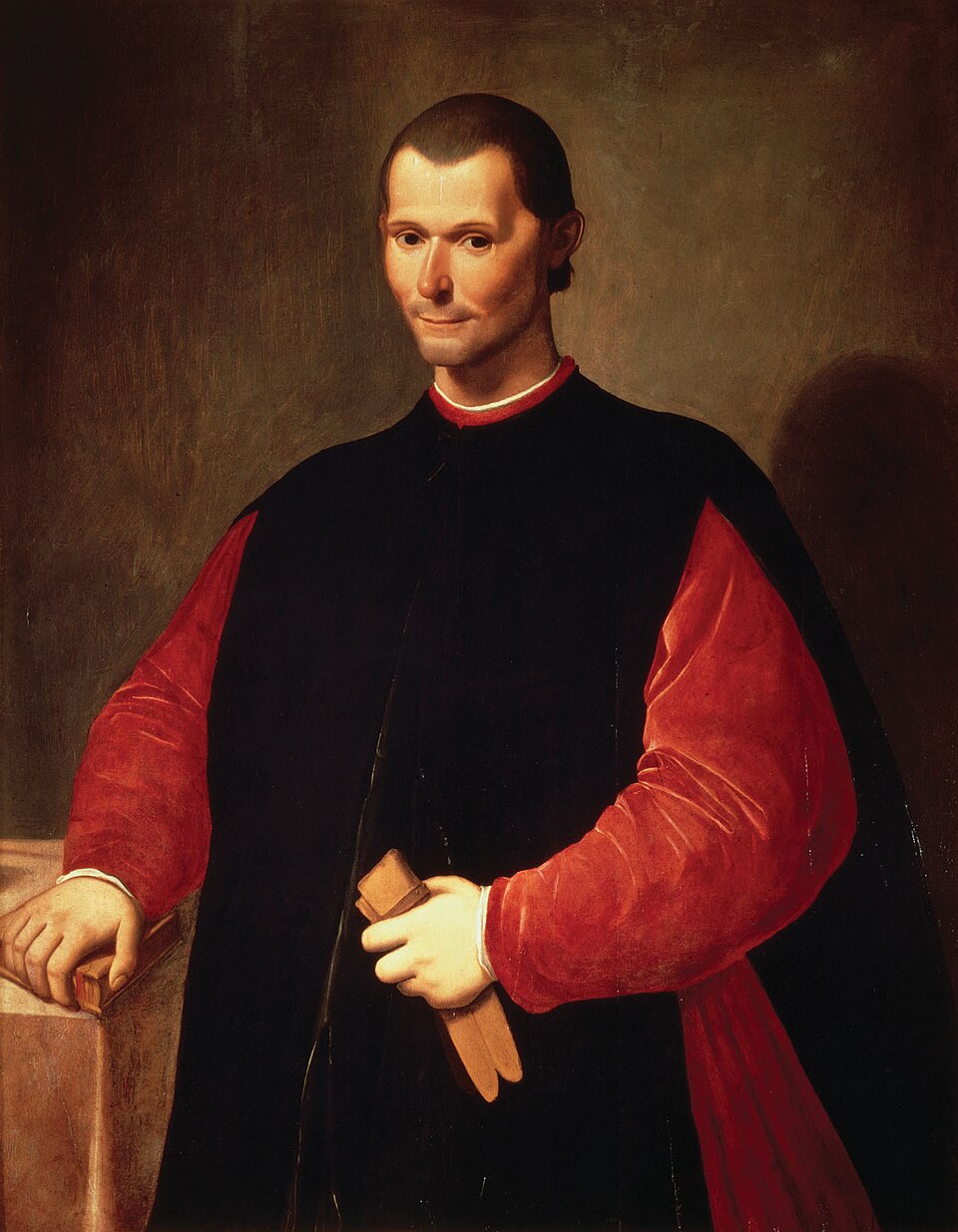
  • Portrait of Niccolò Machiavelli

    Niccolò Machiavelli

    1469–1527, Florence (republican secretary and diplomat, then exile, amid the Italian Wars)

    Trump’s Canadian Tariff War Shows How Republics Really Speak to Each Other

    When a president reaches for a forgotten war‑time law and a prime minister answers “dollar for dollar,” you are no longer in the realm of friendship but of arms by other means.

    A president does not drag a Great Depression‑era weapon out of the arsenal by accident. To impose these 50% tariffs on some $20 billion of Canadian goods, the American ruler has reached back to Section 338 of a 1930 law and fired it at a neighboring republic he still calls an ally. That is the effectual truth. The talk of “massive amounts of tariffs” on American farmers and of correcting past unfairness is decoration. The real message is simpler: the United States is willing to use its economic preponderance like a club, even on a partner accustomed to soft cushions.

    Read the essay